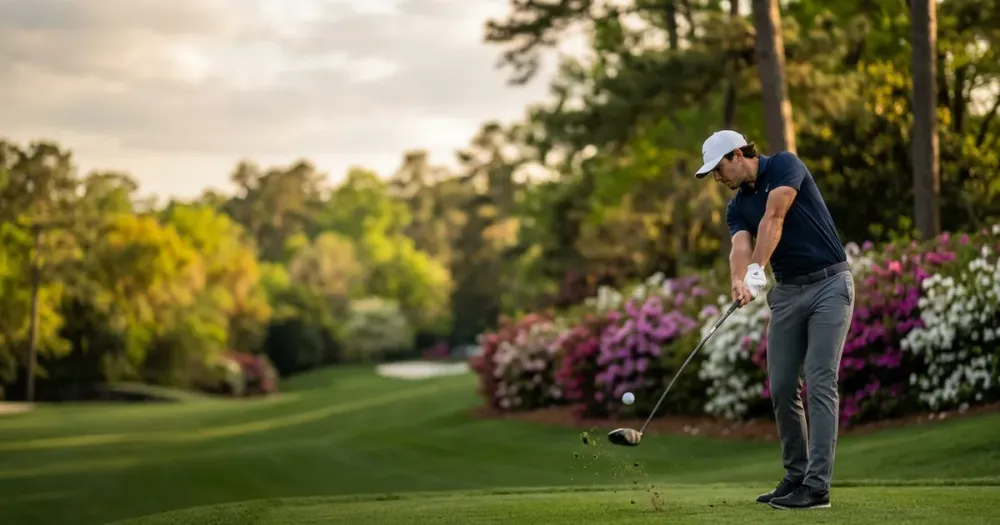
Every spring, Augusta National welcomes a handful of amateurs who earned their spots through tough, often grueling qualifying routes. In 2026, six amateurs step onto the hallowed grounds of the Masters for the first time, each carrying a distinct background and a shot at making their mark on golf’s grandest stage. This isn’t just about teeing it up alongside the pros; it’s a gateway with real consequences for their futures in golf, from rankings and endorsements to the kind of confidence only a major appearance can deliver.
More Than Just a Debut: What the 2026 Masters Amateurs Backgrounds and Impact Reveal
The six amateurs featured this year aren’t random picks. They’ve earned their Masters invitations by winning or excelling in some of the toughest amateur events worldwide, each bringing a different story that highlights the evolving routes into major golf. From college standouts to Mid-Amateur veterans and international trailblazers, their backgrounds reflect a growing diversity in how talent reaches Augusta.
Ethan Fang: The Amateur Championship’s Latest Hero
Ethan Fang clinched the Amateur Championship at Royal St George’s last June, edging Ireland’s Gavin Tiernan one-up in the final. This victory places him among a storied lineage including Bobby Jones and José María Olazábal. At Oklahoma State University, Fang has been a First Team All-American and led his team deep into the NCAA Division I Men’s Golf Championship. His international experience includes competing in The Open at Royal Portrush and representing the U.S. in the Arnold Palmer Cup, Walker Cup, and Eisenhower Trophy. Fang’s Masters debut is a classic example of a top collegiate player stepping into the spotlight on a global stage.
Jackson Herrington: A Close Call That Could Pay Off Big
Herrington’s journey to Augusta came after a narrow loss in the U.S. Amateur final last August, where he finished runner-up to Mason Howell. The University of Tennessee sophomore’s near-miss puts him in the company of past U.S. Amateur runners-up who later earned Low Amateur honors at the Masters, like Ben Crenshaw and Patrick Cantlay. His consistent performances across U.S. Amateur, U.S. Amateur Four-Ball, and Western Amateur events position him as a player to watch. His presence underscores how near victories can open doors to major opportunities.
Brandon Holtz: The Mid-Amateur Route Less Traveled
Holtz’s path to Augusta is a bit of an outlier. After a stint playing college basketball and a pro golf attempt, he returned to amateur status and won the U.S. Mid-Amateur at Troon Country Club last September. This victory granted him a spot not only at the Masters but also the U.S. Open. Past Mid-Amateur champions like Jay Sigel have used this route to make noise at majors, proving that age and unconventional backgrounds don’t close doors. Holtz’s story challenges the typical narrative of amateur progression.
Mason Howell: Young and Ready for the Big Stage
Winning the U.S. Amateur by a commanding 7&6 margin over Herrington, Howell became the third-youngest champion in the event’s history. With a resume that includes competing in the U.S. Open and representing the U.S. in Walker Cup and Eisenhower Trophy matches, his Masters debut fits the mold of a rising star poised for future professional success. Howell's dominance at the U.S. Amateur signals a talent very much ready to test himself on Augusta’s challenging layout.
Fifa Laopakdee: Making History for Thailand
Laopakdee’s dramatic comeback at the Asia-Pacific Amateur in Dubai, where he birdied the last two holes and three playoff holes to win, secured his spot as Thailand’s first amateur at the Masters. An Arizona State junior, he’s also earned individual gold at the Southeast Asian Games and competed globally in the Eisenhower Trophy and Junior Presidents Cup. His presence highlights the growing international reach of amateur golf and how global competition is feeding talent into the majors.
Mateo Pulcini: Latin America’s Rising Star
Argentine Mateo Pulcini’s breakthrough came with a win at the Latin America Amateur in Peru, which earned him entries into the Masters, U.S. Open, and Open Championship. His collegiate career includes multiple NCAA Division II All-American honors and a final season at Arkansas. Pulcini’s path reflects how regional amateur circuits are developing players ready for the biggest stages, blending strong collegiate credentials with international success.
What This Means for the Players and the Game
These six amateurs illustrate how different routes and backgrounds can converge at Augusta, each bringing a unique set of experiences that impact their performance and future trajectory. For fans, it’s a reminder that the Masters isn’t just about established stars; it’s a proving ground for emerging talent. Their invitations affect golf rankings, open doors to professional tours, and influence equipment sponsors eager to back rising stars. Understanding these pathways offers valuable insight into how the game’s future is shaped.
Why does this matter now? The 2026 Masters is not just about crowning a champion but spotlighting the amateurs who could be the next generation of stars. How they handle this pressure cooker will ripple through their careers and the sport’s competitive landscape.
According to All The Golf, the 2026 Masters amateurs backgrounds and impact reveal a tapestry of stories, from traditional amateur championships to international breakthroughs and unconventional journeys.
What to Watch Next
Keep an eye on how these amateurs adapt to the fast greens and strategic demands of Augusta National. Their performance over the opening rounds could hint at who’s ready to contend in future majors and who might leverage this experience into a pro career. The stakes go beyond a single tournament — it’s about seizing a rare chance to launch a golf career on one of the sport’s biggest stages. For a broader view, explore our coverage of amateur golf news and championship coverage.
Source: according to All The Golf
All facts and quotes are credited to their originating outlets. Learn more about our sourcing policy.