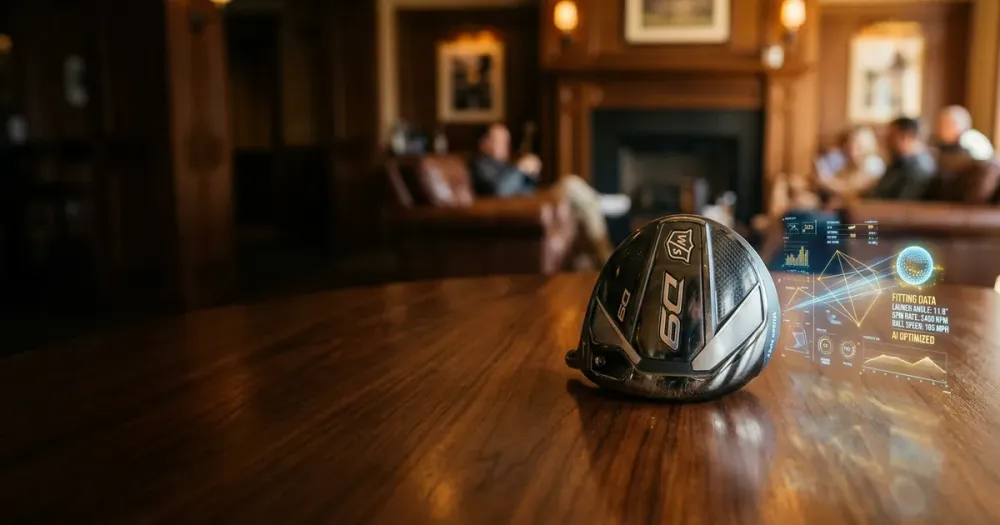
The PGA Tour landscape is constantly evolving, with players and manufacturers alike seeking any edge to improve performance. Wilson, a brand with deep roots in golf history, is stepping into this race with a bold push: elevating AI-driven club fitting to a level that could reshape how golfers choose their equipment. The question on everyone's mind is whether Wilson can truly take AI fitting to the next stage and deliver tangible benefits on courses ranging from Tour stops to weekend rounds.
Wilson’s New AI Fitting Upgrade: What’s Different?
Wilson's FitAi program recently received a significant upgrade, enhancing the way artificial intelligence assists in club selection. Unlike traditional fittings relying heavily on human intuition and static data, this iteration harnesses machine learning to analyze a golfer’s swing characteristics, launch conditions, and even subtle tendencies that might not be obvious on the surface. The system processes this data to recommend equipment tailored with precision — from shaft flex to clubhead design.
What sets this upgrade apart is its dynamic nature; it learns and adapts as more swings are analyzed, refining its recommendations in real-time. This contrasts with many fitting tools that only offer a snapshot view. The potential here is a fitting session that evolves with the player, much like a coach adjusting strategy based on ongoing performance. In an era where strokes gained and shot dispersion data dominate the conversation, Wilson’s AI approach aims to bring that analytical rigor into the fitting bay.
Why AI Fitting Matters on the PGA Tour and Beyond
On the PGA Tour, margins are razor-thin — a fraction of a stroke per hole can separate contenders from the pack. Equipment choices become critical, especially when courses present diverse challenges. While top pros often have access to custom fittings, the integration of AI can deepen those insights. For example, subtle tweaks in loft or lie angles can optimize launch conditions to match specific golf courses or weather patterns, potentially improving scoring averages.
Furthermore, AI fitting doesn't just benefit elite players. Its scalability means it can extend to amateur golfers seeking affordable, precise club fitting solutions. With the growing interest in golf courses and equipment, the demand for data-backed recommendations is rising. Brands like Wilson are aware that modern golfers want more than flashy marketing; they want technology that truly enhances their game. AI fitting, if executed properly, could fill that gap.
The Challenges Wilson Faces in Elevating AI Fitting
Despite the promise, Wilson’s journey to revolutionize AI fitting isn’t without obstacles. Fitting is a nuanced process, influenced by a player's physical traits, swing tempo, and even psychological comfort with gear. While AI can process vast amounts of data, it can struggle to capture these human elements fully. Over-reliance on algorithms might lead to recommendations that look excellent on paper but feel off on the course.
Additionally, the golf industry is rife with skepticism toward AI hype. Some purists argue that nothing replaces the eye of a skilled fitter. Wilson must balance technology with human expertise to avoid alienating these traditionalists. Moreover, integrating AI fitting with existing golf equipment lines and ensuring consistent availability at retail and pro shops remains a logistical hurdle.
Historical Context: Wilson’s Place in Golf Equipment Innovation
Wilson’s reputation in the golf world is built on decades of innovation, from the classic Wilson Staff irons to early adoption of perimeter weighting in club design. The brand has weathered shifts in golf rankings and equipment trends, often trailing bigger players like Titleist or Callaway but carving out a loyal following. This AI venture feels like a natural next step, blending Wilson’s legacy with modern technology.
Past attempts at tech-driven fitting have seen mixed results across the industry. Some early systems promised much but delivered little, leading to consumer distrust. Wilson’s FitAi upgrade, built on more sophisticated AI and machine learning models, could rewrite this narrative. Success will depend on real-world performance improvements and player buy-in—especially from those on the PGA Tour who can validate the system under pressure.
How This Could Impact Golfers and the Future of Fit
If Wilson’s AI fitting platform gains traction, it could reshape how golfers approach equipment selection. Detailed, data-driven insights might reduce the guesswork that often accompanies buying new clubs. For players stuck in the cycle of chasing marginal gains, AI fitting offers a scientific edge. This may also influence golf rankings, as better-fitted clubs can contribute to lower scoring averages and improved consistency.
The ripple effect could extend to the LPGA and other tours, where access to advanced fitting technology varies. Democratizing AI fitting could level the playing field, giving more golfers access to optimized gear regardless of budget or location. For golf courses, better-fitted players often mean faster play and enhanced enjoyment, reinforcing the sport's growth momentum.
Wilson’s ambition to take AI fitting to the next level isn’t just about technology; it’s about rethinking how players interact with their gear. The upgrade to FitAi signals a shift toward smarter, more personalized equipment choices that respond to a player’s evolving game. Whether this translates into tangible gains on the PGA Tour or recreational rounds remains to be seen. But one thing is clear: the future of golf club fitting is heading into a data-driven, AI-powered era, and Wilson wants to lead the charge.
As reported by MyGolfSpy, this development could mark a turning point in how golf equipment adapts to the player, not the other way around. The coming months will reveal if Wilson’s AI fitting lives up to its promise or becomes another interesting experiment in the tech-hungry world of golf.
Source: as reported by MyGolfSpy