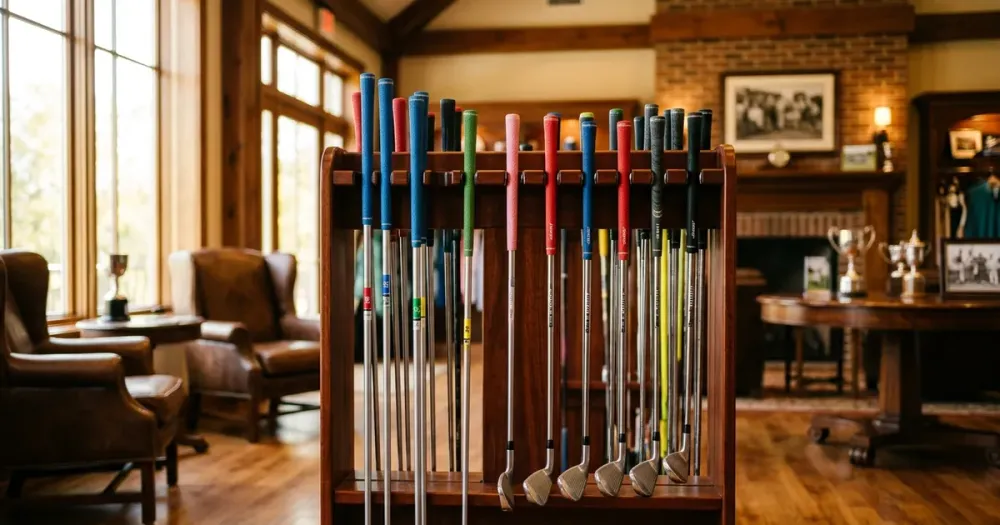
Imagine a talented young golfer, excited to improve, but every swing sends a twinge of discomfort through their arms or back. Shots fly unpredictably, frustrating progress, and the dream of making it to the LPGA Tour starts to feel out of reach. What’s behind this all-too-common scenario? The culprit is often simple: ill-fitting golf clubs.
Parents eager to support their kids’ golf journey sometimes rush into buying clubs based on age or price, not proper fit. But this seemingly small oversight can disrupt a young player’s technique, cause injury, and slow development. That’s why LPGA Tour junior golf club fitting advice stresses one vital fact: correct sizing matters more than you think, and it’s based on height—not age.
Why Club Size Should Match Height, Not Age
It’s tempting to pick up clubs labeled for a certain age group or trim down adult clubs to fit a junior’s size. But those choices can backfire. Clubs that are too long or heavy—even by 15 to 30 percent—force kids into compensatory swings, setting bad habits that are tough to break. Worse, they can cause pain or injury, cutting short what could have been a promising career.
Trimming adult clubs is another trap. When you cut down a shaft, it becomes stiffer because the head weight stays the same but the shaft length decreases. A regular-flex shaft shortened by two inches might feel like a stiff or extra-stiff shaft—too demanding for a junior golfer’s developing swing. This mismatch can make the club harder to control and increase injury risk.
Junior Club Brands That Get It Right
Fortunately, some companies design equipment specifically for juniors’ growth stages. US Kids Golf and PING lead the way with fitting charts and clubs sized by height. Their gear is lightweight and flexes properly for a young golfer’s swing speed, reducing strain and encouraging good technique.
US Kids Golf offers a clear, easy-to-use fitting guide that helps parents avoid guesswork. Instead of buying clubs their kids will “grow into,” experts recommend buying clubs they will outgrow. This ensures the flex and weight suit the player now, supporting healthy swing development and long-term progress toward competitive golf.
The Pitfall of Chasing Distance Too Early
It’s easy to get caught up in the chase for distance, especially when peers bring the latest adult drivers to junior tournaments. But if a child isn’t swinging a driver near 75 mph, putting an adult driver in their bag can do more harm than good. For comparison, women in their 50s average driver speeds in the low-to-mid 70s mph, and men in their 60s swing in the low 80s to low 90s mph range. Most juniors simply don’t have the speed to handle adult flex shafts properly.
Rushing into adult clubs for a quick boost in distance can undermine technique, increase injury risk, and stall a junior’s path to the LPGA Tour. It’s a classic case of instant gratification sabotaging long-term growth.
How Proper Club Fitting Shapes Long-Term Development
A well-fitted set of clubs lays the foundation for a smooth, repeatable swing. It reduces compensations and physical strain, allowing juniors to focus on skill development and confidence. This early attention to equipment can be the difference between a player who thrives and one who struggles to break through.
Parents who prioritize fitting based on height and swing speed are investing in their child’s future. The right clubs today mean better technique tomorrow—and that’s what the LPGA Tour pathway demands.
LPGA Tour Junior Golf Club Fitting Advice for Parents
- Measure your child’s height carefully and use fitting charts from trusted brands like US Kids Golf and PING.
- Avoid cutting down adult clubs; they become stiffer and harder to handle.
- Don’t buy clubs your child will grow into; buy clubs they will outgrow.
- Focus on proper flex and weight to prevent injury and develop good swing mechanics.
- Resist peer pressure to upgrade to adult drivers before your child’s swing speed supports it.
Understanding these points can save time, money, and frustration while keeping your child on a healthy, sustainable path in golf.
All The Golf reported these fitting insights from teacher James Hong, highlighting how early equipment decisions impact junior golfers’ development and injury risk.
What to Watch Next
As junior golfers prepare for upcoming fall and winter programs, parents should reassess their child’s clubs to ensure proper fit. The next big test is often the first tournament of the new season, where ill-fitting equipment can quickly reveal its consequences. Watching how juniors perform—and whether their gear supports or hinders them—will be key. Proper club fitting now could be the difference between a breakthrough performance and a frustrating setback.
Paying attention to LPGA Tour junior golf club fitting advice can keep your child’s swing healthy and their dream alive.
What this means: Proper club fitting is not just about comfort—it’s crucial for technique and injury prevention, especially for juniors aiming for the LPGA Tour. Parents who understand this can better support their young golfers’ long-term success. For a broader view, explore our coverage of LPGA Tour news and results.
Source: All The Golf reported
All facts and quotes are credited to their originating outlets. Learn more about our sourcing policy.