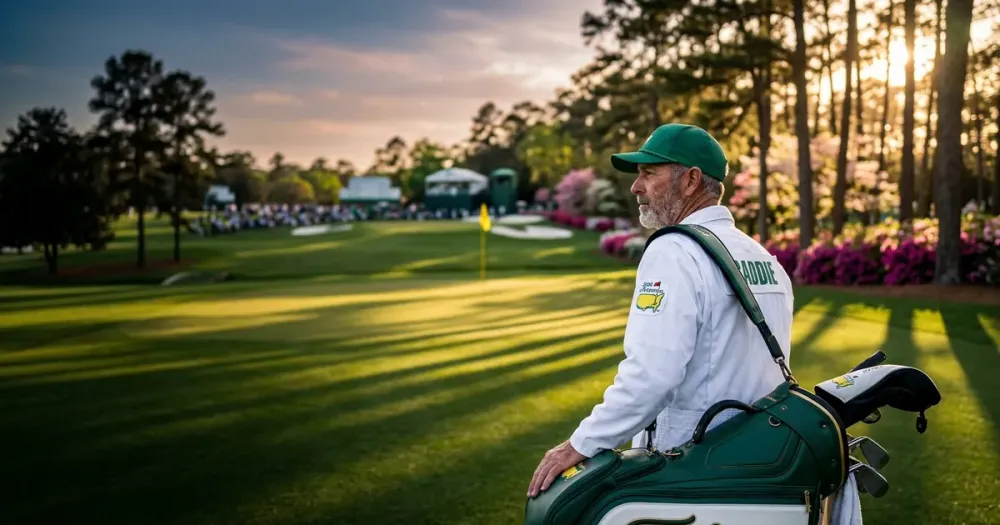
For the first time since 1954, the Masters Tournament at Augusta National will proceed without Phil Mickelson and Tiger Woods in the field. This absence isn’t just a footnote; it’s a seismic shift marking the end of an era that has dominated golf for decades. Both legends have been central figures not only for their multiple green jackets but also for their lasting influence on the tournament’s identity and the sport itself.
Augusta’s Legacy Faces a Turning Point
The Masters has always been about more than golf shots; it’s a story woven through generations. Arnold Palmer and Jack Nicklaus, with four and six titles respectively, set the foundation for Augusta’s mystique. Mickelson's three victories and Woods’ five, including his latest in 2019, continued that legacy. Yet, 2026 introduces a new chapter without these two icons competing. Jack Nicklaus remains involved, playing the ceremonial first shot, but the playing field no longer includes the heroes who defined the past 30 years.
Honorary vs. Dues-Paying Membership: What It Means
Palmer and Nicklaus were the only former champions granted full membership privileges at Augusta National, allowing unrestricted access to the club. Mickelson and Woods, like most champions, hold honorary memberships requiring a host to play. This distinction underscores the deep historical ties Palmer and Nicklaus shared with Augusta's founders and longstanding members, a level of integration Mickelson and Woods have yet to achieve. This subtle difference hints at how Augusta’s traditions shape access and influence within the sport's most revered venue.
From Dominance to Absence: The Road to 2026
Woods’ streak of Masters appearances spanned from 1995 to 2013, interrupted only by health issues and recent personal challenges. His absence in 2026 follows a series of missed tournaments due to injuries and off-course incidents. Mickelson’s story is similarly complex. After playing in 27 consecutive Masters events as a pro, his departure from the PGA Tour to join the Saudi-backed LIV Golf series and personal matters have kept him out since 2023. Their absence signals a shift not just in participation but in the institutional relationships that have shaped golf’s landscape.
The New Landscape: What This Means for Golf Fans and Players
With Mickelson and Woods missing, the 2026 Masters spotlights emerging talent and shifts in golf rankings. The tournament’s aura no longer centers on the familiar faces who have drawn crowds and media attention for decades. Instead, it becomes a stage for new stars to claim their place in Augusta’s history. For golf fans, this transition offers fresh storylines but also a poignant reminder of how the sport’s legends have shaped its identity.
Why the 2026 Masters Phil Mickelson Tiger Woods Absence Matters Now
This moment isn’t just a calendar change; it’s a crossroads. The Masters has always been about tradition and continuity, but 2026 forces us to reckon with change. The absence of Mickelson and Woods highlights how careers, controversies, and evolving golf governance influence who gets to play and who remains part of the game’s inner circle. For players and fans alike, understanding this shift helps clarify the new dynamics at work — from golf equipment trends and course strategies to the evolving LPGA and PGA Tour landscapes.
The 2026 Masters Phil Mickelson Tiger Woods absence reflects a broader evolution in golf’s culture, access, and competition. As the tournament moves forward, it invites us to appreciate the past while watching carefully how the sport reinvents itself.
As reported by Golf.com contributor Michael Bamberger. For a broader view, explore our coverage of golf majors coverage and results.
All facts and quotes are credited to their originating outlets. Learn more about our sourcing policy.