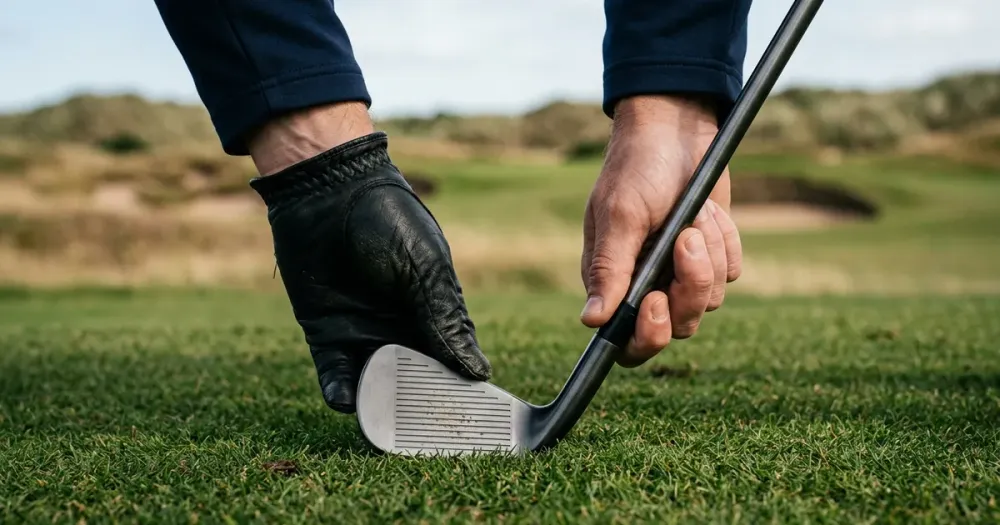
Before Bryson DeChambeau teed off at The Open Championship, he made a move that stirred curiosity and raised eyebrows across the golf world. Walking onto the baked-out, fast Royal Birkdale course, DeChambeau unveiled a switch from his usual graphite shafts to steel shafts paired with a set of new prototype irons. The decision was more than a mere equipment tweak—it was a strategic gambit with high stakes on a challenging links layout.
Why DeChambeau’s Steel Shaft Shift Is More Than a Change in Feel
Steel shafts are traditionally associated with more control and precision but less weight and swing speed compared to graphite. DeChambeau’s choice to return to steel—from the graphite shafts he’d long favored—signals a deliberate attempt to harness tighter ball flight and enhanced shot-making predictability. The prototype irons, custom-built for this purpose, aim to complement that sharper control, especially on a course where wind and firm ground make trajectory and spin crucial.
Royal Birkdale’s Fast, Firm Conditions Dictate Equipment Strategy
The Open’s Royal Birkdale setup in 2023 featured baked-out fairways and hard, fast greens that demanded precision over power. In such conditions, balls tend to roll farther, and controlling spin becomes a premium skill. DeChambeau’s steel shafts and prototype irons help tame his ball flight, allowing him to shape shots more reliably and control rollout, an edge over the unpredictable bounce and roll typical of links golf.
Morikawa’s Cart Path Practice: A Study in Contrast
While DeChambeau focused on equipment innovation, fellow contender Collin Morikawa adopted a unique preparation method: practicing shots from the cart path. This drill sharpens creativity and adaptability, preparing Morikawa for the quirky lies and awkward stances that links courses often present. It’s a reminder that while gear matters, imaginative practice routines also play a vital role in mastering such a demanding venue.
Implications for Pro Golf Equipment Trends
DeChambeau’s prototype irons and return to steel could signal a broader shift in pro golf equipment preferences. His experiment challenges the prevailing trend toward ultra-light graphite shafts in irons, especially for players who prioritize control and shot shaping on difficult courses. If this approach proves successful, we may see more players reconsider their shaft choices, balancing swing speed with the need for precision.
Performance Impact: Control, Ball Flight, and Scoring
Although the source does not provide detailed strokes gained or scoring breakdowns, DeChambeau’s opening-round 3-under 67 at The Open suggests his equipment changes translated into effective control and scoring ability early in the tournament. His ball flight appeared more penetrating and consistent, adapting well to Royal Birkdale’s firm conditions. This supports the idea that his prototype irons and steel shafts delivered the enhanced accuracy he sought without sacrificing distance.
As reported by All The Golf, DeChambeau’s gear experiment isn’t just a personal choice—it’s a potential blueprint for handling major championship challenges where course conditions demand precision and strategic control.
What to Watch Next
The coming rounds at The Open will test whether DeChambeau’s equipment strategy can sustain its early effectiveness under pressure and changing conditions. Observers should watch how his ball flight and control hold up as the course softens or wind conditions shift. Additionally, tracking whether other players adapt their equipment or practice routines in response could reveal a subtle transformation in approach at the highest level.
This tournament might mark the start of a new chapter in how pros balance technology, strategy, and course conditions to gain an edge. For a broader view, explore our coverage of golf majors coverage and results.
Source: as reported by All The Golf
All facts and quotes are credited to their originating outlets. Learn more about our sourcing policy.