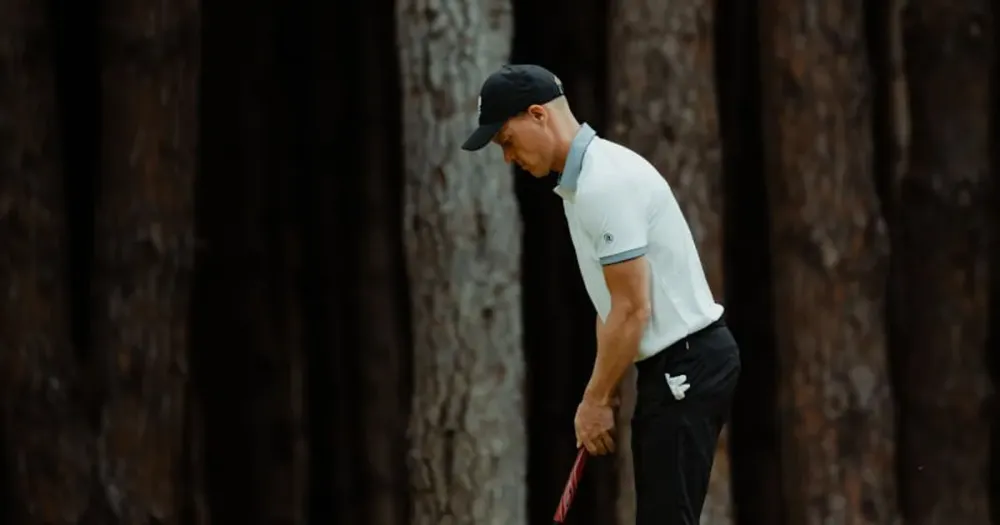
Gary Woodland’s return to the Masters in 2026 carries more than just the weight of competition; it’s a profound testament to his battle with PTSD, a condition rooted in a brain procedure he underwent in 2023. While fans see his trademark smile and steady swing, Woodland is managing a mental and physical challenge few in golf openly confront. His presence at Augusta National isn’t just about chasing trophies — it’s about proving resilience in the face of a daunting health journey.
Augusta National’s Quiet Support: More Than Just Fans
Woodland’s interaction with fans, like the shy girl in the white bucket hat, reveals the softer side of a golfer who’s often known for his competitive fire. His openness about PTSD has fostered a supportive environment not only among fans but also among fellow professionals. Players like Scottie Scheffler and Justin Thomas have become part of Woodland’s circle, recognizing the mental toll and the strength it takes to compete at this level while managing PTSD symptoms. Security presence on the course also plays a practical role in helping him feel safe amid the crowd and noise, which can trigger his condition.
Golf as Therapy and Purpose Amidst the Battle
Woodland’s journey began in 2023 when a lesion affecting the part of his brain that controls fear was partially removed. Diagnosed with PTSD, he had to recalibrate how he approaches life and golf. Contrary to expectations, admitting his diagnosis gave him unexpected strength. The coping strategies — like managing overstimulation and slowing his heart rate — not only help his health but also enhance his golf performance. His coach, Randy Smith, has noted improvements in Woodland’s ball speed, hitting over 190 mph, fueled in part by the emotional intensity Woodland channels into his game.
Why This Matters: The Stakes Beyond the Scorecard
Woodland’s Masters 2026 PTSD return carries implications beyond personal triumph. It challenges the stigma around mental health in professional sports, particularly golf, which prizes focus and calm under pressure. His candidness opens the door for conversations about mental health care and accommodations for athletes managing invisible conditions. For golf fans, this adds a nuanced layer to watching the sport: every shot Woodland takes reflects not just skill but a battle to maintain equilibrium in a highly stimulating environment.
Golf IQ: Managing PTSD's Impact on the Course
Understanding how PTSD affects Woodland on the course offers insight into the tactical adjustments he must make. Sudden noises or unexpected movement can trigger startle responses, forcing him to rely on heightened awareness and security assurances. His focus on the present moment, taking it "one day at a time," is a mental strategy that keeps him grounded amid the chaos of a major tournament. This approach aligns with broader golf tips emphasizing course management and mental resilience, but with a heightened layer of necessity for Woodland.
The Masters and the Mental Game: A Unique Challenge
Augusta National is known for its beauty and tradition, but also for its sensory overload — crowds, cameras, and constant movement. These factors create a challenging environment for any player, but especially for someone dealing with PTSD. Woodland’s slower drive down Magnolia Lane this year symbolizes more than respect for tradition; it signals a deliberate effort to savor the moment while managing his mental health. His story serves as a reminder that golf courses, no matter how picturesque, can present unique psychological hurdles.
What This Means for the Future of Golf
Woodland’s openness about his condition and his return to high-level competition could influence how golf organizations address mental health. This could lead to more tailored support systems, including security measures and scheduling accommodations, which might one day become standard for players facing similar challenges. It also highlights the potential for golf equipment and training methods to adapt, focusing not just on physical performance but on supporting mental well-being.
According to Golf.com, Woodland’s story this week is about more than golf — it’s about the intersection of health, mental toughness, and the passion that fuels him to compete when many would step away.
For fans wondering how this all works in practice: managing PTSD on a golf course means Woodland must constantly balance his focus on each shot with an awareness of his surroundings, ensuring he feels safe. This dual focus is a demanding mental exercise, different from the usual golf strategy but critical for his success and well-being.
Watching Gary Woodland at the Masters now means understanding the layers beneath his game — the strokes gained are not just on the scoreboard but in every measured breath and every controlled reaction to the crowd and noise.
What to Watch Next
As the Masters 2026 progresses, keep an eye on how Woodland handles the sensory intensity of the weekend rounds. His ability to maintain composure amid the largest crowds and highest stakes will test the coping mechanisms he’s developed. His performance under these conditions won’t just influence his ranking but could reshape how the golf world views mental health resilience on the sport’s biggest stage. For a broader view, explore our coverage of golf majors coverage and results.
Source: as reported by Golf.com
All facts and quotes are credited to their originating outlets. Learn more about our sourcing policy.