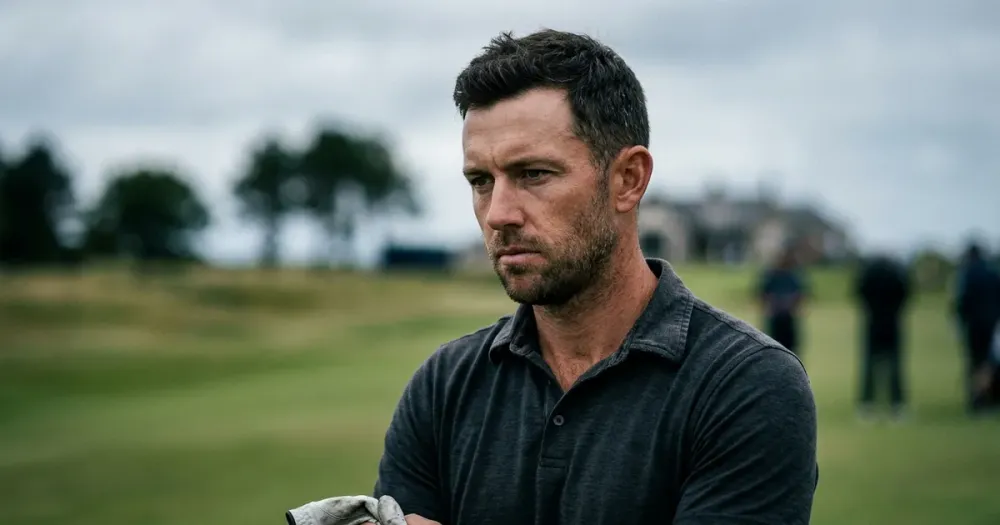
On the 15th hole at Royal Birkdale during the 2026 Open Championship, Jon Rahm’s frustration boiled over when he flung his club after a poor tee shot. This moment earned him an official code-of-conduct warning—one that stopped short of a penalty but marked a new level of disciplinary attention in golf’s biggest tournaments. Rahm’s warning is more than just a footnote; it signals a shift in how the majors are enforcing player behavior, aiming to curb emotional outbursts without stifling competitive passion.
The Money Trail Is Not the Point. The Incentive Is
Rahm’s warning came under The Open’s serious misconduct policy, which carries escalating consequences: a first offense is a warning, a second triggers a two-shot penalty, and a third leads to disqualification. His act of throwing the club after missing left of the green on the par-3 15th hole could have cost him strokes, but officials exercised discretion, highlighting the delicate balance between discipline and understanding the emotional intensity of elite players.
This enforcement isn’t isolated. Earlier in 2026, Joaquín Niemann received a two-shot penalty at the U.S. Open for throwing his wedge some 70 yards, bypassing a warning altogether. Sergio García also received a warning at the Masters after aggressively hitting his driver into the turf and a bench. Together, these instances show the majors coordinating on a shared policy framework yet applying it independently, reflecting a collective intent to maintain decorum.
Why This Rule Changes Who Gets Access
While the majors collaborate on conduct standards, each governing body—like The R&A for The Open and the USGA for the U.S. Open—retains control over enforcement decisions. This decentralized approach allows tailored responses to incidents but also introduces variation in how players experience discipline. Rahm’s warning, issued without immediate penalty, contrasts with Niemann’s harsher treatment, underscoring how context and official interpretation play a critical role.
For players known for their intensity, like Rahm himself admitted, this evolving enforcement approach challenges them to balance emotion with composure. Rahm acknowledged he is “more intense and passionate than a lot of the players,” and while he doesn’t want to change his nature, he understands moments like the 15th hole outburst aren’t sustainable in the new climate. The majors are essentially shaping not just how the game is played but how players present themselves under pressure.
Jon Rahm code of conduct warning Open 2026 Reflects a New Era
The stricter enforcement in 2026 can change the atmosphere of major championships. Beyond penalizing bad behavior, the policy aims to uphold golf’s tradition of sportsmanship and respect. This recalibration may reduce visible on-course outbursts, affecting how fans perceive player temperament and the emotional stakes of competition. It also places pressure on players to self-regulate, potentially shifting the psychological battle during majors.
Officials’ willingness to issue warnings rather than immediate penalties, as in Rahm’s case, shows a nuanced approach. They are not trying to eliminate passion but to channel it constructively. This balancing act might influence how players manage frustration, making emotional control an increasingly vital skill alongside technical prowess.
The Detail Most Fans Will Miss
Few casual viewers realize the majors share a serious misconduct policy framework yet enforce it independently. The warnings and penalties this year are part of a coordinated but decentralized system—an important detail that explains why similar offenses can lead to different outcomes. Understanding this helps fans appreciate the complexity behind what might seem like inconsistent rulings.
Rahm’s warning is also a signal to all players that the majors are watching closely. The policy stays active throughout the tournament, meaning repeat offenses carry increasingly severe penalties. This ongoing threat creates a new strategic layer: players must weigh emotional reactions against the risk of costly penalties, especially when every stroke counts.
What to Watch Next
The upcoming majors will test how this stricter conduct enforcement evolves. Will players adapt their emotional management, or will we see more warnings and penalties? Rahm’s case sets a precedent that could influence how intensity is expressed under pressure. The next Open Championship and the remaining 2026 majors offer critical moments to observe whether this policy reshapes player behavior and tournament dynamics. For a broader view, explore our coverage of golf majors coverage and results.
Source: as reported by All The Golf
All facts and quotes are credited to their originating outlets. Learn more about our sourcing policy.