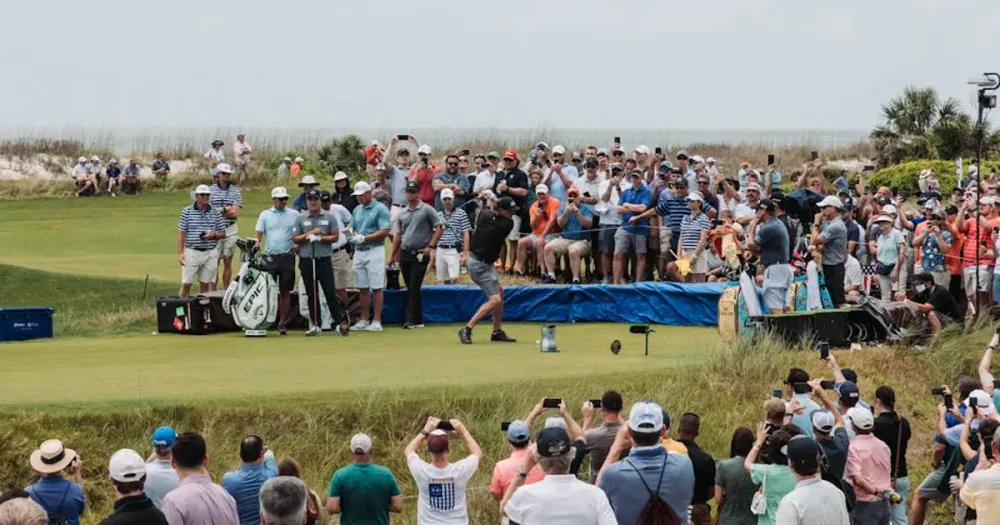
Phil Mickelson, a three-time Masters champion, isn’t playing in the 2026 Masters but hasn’t held back on his thoughts. During the second round at Augusta National, Mickelson used social media to express his frustration with the lengthened par-5 holes, especially the 13th and 15th. His claim? These extended holes have drained much of the excitement and strategic drama that once defined the back nine.
Longer Par 5s: More Length, Less Drama?
Augusta National has evolved massively since it opened in 1933 at around 6,800 yards. Now it stretches over 7,500 yards from the championship tees as a defense against the power boom on the PGA Tour. The 13th hole, for example, was extended from 510 yards to 545 yards in 2023, and the 15th was moved back and left, forcing longer, more precise drives.
Mickelson’s point is simple: with increased length, fewer players are able to reach these par 5s in two shots, diminishing the thrilling risk-reward choices that made these holes legendary. “Watching @TheMasters and seeing so few players long enough to go for 13 & 15 now has taken away so much excitement and intrigue to the back nine,” he wrote on X. “Another example of how longer isn’t always better.”
Balancing Course Defense and Spectacle
Augusta’s adjustments are part of a broader trend aimed at “Tiger-proofing” the course and later countering the rise of power hitters. After Tiger Woods’ dominant 1997 Masters performance, which saw him attack these holes with ease, the club began tightening and lengthening key holes.
Defenders of these changes argue that watching players hit lofted irons into par 5s lacks the drama of a do-or-die drive for the green. By requiring longer tee shots, Augusta aims to restore tension and strategy. However, the current Masters hasn’t seen many eagles on these holes, a possible sign the back nine drama has taken a hit—though weather and pin placements also influence scoring.
Why This Matters Now: The Future of Augusta and The Masters
This debate isn’t just about nostalgia. It’s about how the Masters maintains its status as golf’s premier test amid advancing technology and player power. Augusta National chairman Fred Ridley has recently emphasized the need to regulate equipment, such as rolling back the golf ball, to preserve course challenge. Mickelson has previously expressed skepticism about these measures.
What this means is that Augusta will likely continue evolving, balancing tradition with modern demands. Mickelson’s criticism highlights a tension between preserving iconic moments and adapting to the game’s progression.
Beyond Length: What Shapes Par 5 Strategy at Augusta?
Length is only one piece of the puzzle. Course conditions, pin placements, and weather play crucial roles in how players approach the 13th and 15th. For example, firm greens and swirling winds have made aggressive plays riskier this week, further reducing the number of players attempting to reach these greens in two.
Understanding this helps explain why the par 5s might feel less exciting this week but could swing back toward drama later in the tournament when conditions soften and pin positions tempt players to attack.
Phil Mickelson Augusta Par 5 Criticism 2026 Masters: What to Watch Next
As the weekend unfolds, watch how players adjust their strategy on the par 5s. Will eagles make a comeback if pins move to aggressive locations? Will length continue to dictate a more conservative approach? And will Augusta National reconsider its approach if the back nine loses too much of its legendary allure? Mickelson’s comments add a fresh layer to these questions just as the tournament reaches its most critical moments.
According to Golf.com, Mickelson’s social media remarks have reignited the conversation about how course setup affects the Masters’ signature drama. For a broader view, explore our coverage of golf majors coverage and results.
Source: as reported by Golf.com
All facts and quotes are credited to their originating outlets. Learn more about our sourcing policy.