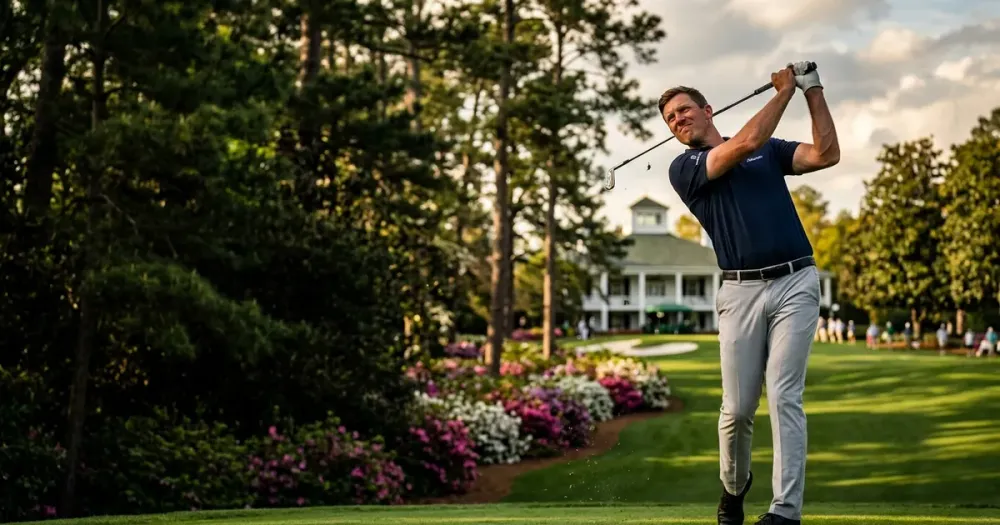
During the first round of the 2026 Masters, Scottish golfer Robert MacIntyre let his frustration show in a way few expect from a professional at Augusta National. Facing the daunting 15th hole, MacIntyre directed a middle finger toward the water hazard guarding the green. This "lewd gesture" at the Masters 2026 quickly caught attention, stirring debate on decorum and emotional control in golf.
What’s at stake here isn’t just a momentary lapse in etiquette but the broader pressure on golfers to maintain composure in one of the sport’s biggest stages. The Masters carries immense prestige and financial incentives, and any crack in a player’s poise invites scrutiny from fans, media, and sponsors alike.
Why does this matter right now? As golf’s global profile grows, with rising television ratings and the expansion of competitive tours like the LPGA, moments like MacIntyre’s highlight the human side of a sport often viewed as overly reserved. It opens conversations about player emotions, expectations, and the realities of competing on golf’s toughest courses.
When Emotions Overflow: Golf’s Hidden Pressure Valve
Golf’s reputation for decorum masks the intense psychological strain players endure round after round. The sport demands precision under pressure, and Augusta National’s 15th hole—famously guarded by a loch—tests nerves like no other. MacIntyre’s gesture, though unprofessional, serves as a vivid example of how even top pros can reach a breaking point.
Historically, legends like Bobby Jones and Ben Crenshaw have acknowledged their own emotional struggles. Jones famously tore up his scorecard during the 1921 British Open in frustration, while Crenshaw’s “Gentle Ben” nickname was laced with irony hinting at his competitive fire. Even Tiger Woods has been known to mutter curses after wayward shots, revealing golf’s emotional undercurrent.
Why MacIntyre’s Gesture Resonates Beyond the Moment
MacIntyre’s middle finger wasn’t just directed at the loch or the shot he hit—it symbolized the frustration of a player battling a punishing course and his own expectations. This incident might feel like a footnote now, but it echoes a timeless truth: golf is as much a mental game as a physical one.
For left-handed players like MacIntyre, Augusta National offers unique advantages. The course’s layout favors lefties with certain tee shots and approach angles, making it a potential future winning ground for him. If he channels this raw emotion constructively, MacIntyre could be wearing the green jacket in years to come.
Golf Tips From the Masters: Harnessing Emotion on Tough Courses
What this means for everyday golfers is a reminder that emotional control is a key skill—sometimes overlooked in favor of swing mechanics or equipment upgrades. Maintaining composure after a bad shot, especially near hazards like water or bunkers, can prevent scorecard disasters. Golf equipment with forgiving features helps, but mental resilience is irreplaceable.
Course Design and Emotional Traps: The Role of Water Hazards
Augusta National’s water hazards aren’t just scenic—they’re psychological barriers. Course architects like Robert Trent Jones, who expanded Augusta’s water defenses, designed these features to challenge player strategy and mindset. MacIntyre’s gesture at the loch reflects the frustration such design elements can evoke, reminding us how course layout directly influences player emotions and performance.
What to Watch Next: Can MacIntyre Channel Frustration Into Masters Success?
After such a visible emotional outburst, all eyes will be on Robert MacIntyre’s response in the coming rounds. Will he regain his composure and leverage Augusta’s lefty-friendly design to move up the leaderboard? Or will this moment signal deeper struggles in handling pressure at major golf courses? The answer will shape his trajectory in golf rankings and influence how fans and sponsors perceive his mental game.
According to Golf.com contributor Michael Bamberger, MacIntyre’s gesture, while regrettable, fits within a broader narrative of emotional expression in golf’s elite ranks. It’s a reminder that even professionals aren’t immune to the sport’s intense mental demands. For a broader view, explore our coverage of golf majors coverage and results.
All facts and quotes are credited to their originating outlets. Learn more about our sourcing policy.