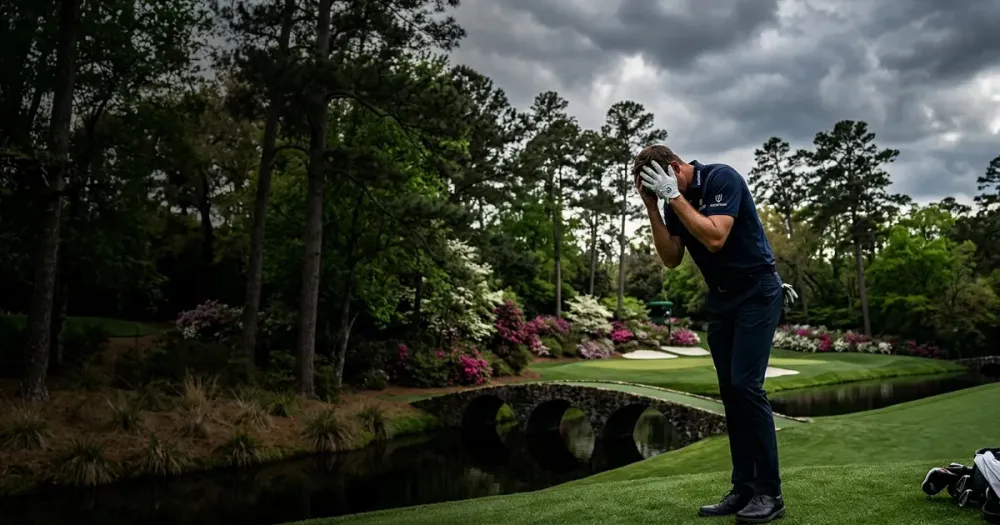
Robert MacIntyre’s 2026 Masters meltdown was as public as it was painful. After arriving at Augusta National riding strong form—with a runner-up at the Valero Texas Open and a fourth-place finish at the Players Championship—the 29-year-old Scotsman’s week unraveled quickly. His opening round included a quadruple-bogey nine on the 15th hole, a par-5 that famously tests nerves and shotmaking. The damage: a first-round 80 and a visible emotional explosion, capped by a gesture captured on camera that led to a reprimand from Augusta National. MacIntyre skipped media sessions after his first two rounds and responded to missing the cut with a digitally created image mocking his own meltdown. The stakes couldn’t be higher for a player on the cusp of major success, making this episode more than just a bad week.
When Emotion Meets Elite Competition: The MacIntyre Balancing Act
MacIntyre’s game has always been fueled by emotion. He’s candid about wearing his heart on his sleeve, especially on the course. That fire can ignite brilliance but also volatility, as seen at Augusta. During a recent conversation with Sky Sports, MacIntyre acknowledged the challenges in managing his feelings under pressure. “I’m fiery on the golf course when I’m in tournament rounds,” he said. “I’ll drop a few bad words, hit the bag, say harsh things—it’s what gets me going.” This intensity drives his competitive edge but also risks moments where control slips, as the 2026 Masters showed.
Resetting Fast: How MacIntyre Handles Golf’s High-Pressure Cycle
Professional golf offers little respite from disappointment. MacIntyre knows this well. After the Masters, he returned quickly to competition at the RBC Heritage, underscoring golf’s relentless schedule. What distinguishes MacIntyre is his method for resetting. He allows himself a brief, intense emotional release—a sort of mental purge lasting about an hour—before shifting focus to preparation and execution. This approach reflects the reality of the modern golf calendar, packed with events demanding constant mental resilience. For MacIntyre, mastering this emotional reset is key to sustaining his climb up the golf rankings.
The 15th at Augusta: A Crucible for Tension and Strategy
Augusta National’s 15th hole is a strategic beast. Playing 530 yards as a par-5, it tempts players with birdie chances but punishes errant shots with water hazards fronting the green. MacIntyre’s quadruple-bogey nine on this hole wasn’t just a bad score; it was emblematic of how pressure and course design collide. The hole demands precise club selection and shot placement, especially under tournament stress. Understanding the layout’s nuances—where to play safe versus attack—can make or break a round. MacIntyre’s trouble there illustrates how Augusta's course architecture magnifies emotional stakes.
Why This Matters: The Intersection of Golf, Emotion, and Major Championship Potential
What this means for MacIntyre and fans tracking his career is clear: emotional management is as critical as technical skill in golf’s biggest moments. His Masters 2026 meltdown reveals the fine line between passion that fuels performance and frustration that undermines it. For a player with top-15 world ranking and multiple near-misses in majors, mastering that balance could unlock major championship victories. It also highlights how golf equipment, mental coaching, and course strategy must align to support players navigating the sport’s emotional roller coaster.
MacIntyre’s story also sheds light on the broader conversation about how golf courses like Augusta National test not only shot-making but psychological endurance. The interplay between course design and player temperament is a subtle yet decisive factor in the outcome of tournaments.
What to Watch Next: Can MacIntyre Turn This Setback Into a Springboard?
With the golf calendar moving swiftly, MacIntyre’s next few events will reveal how effectively he channels the Masters 2026 meltdown into growth. Observers will want to track his approach at upcoming tournaments, noting any adjustments in emotional control, strategy, and equipment choices. His performance at Harbour Town following Augusta hinted at resilience, but sustaining that momentum will be crucial as he eyes major championship breakthroughs. Golf fans should keep an eye on MacIntyre’s handling of pressure and his ability to convert fiery intensity into consistent excellence.
According to Golf.com, MacIntyre’s candid reflections and swift return to competition underline the reality of professional golf’s unforgiving pace. For a broader view, explore our coverage of golf majors coverage and results.
Source: as reported by Golf.com
All facts and quotes are credited to their originating outlets. Learn more about our sourcing policy.