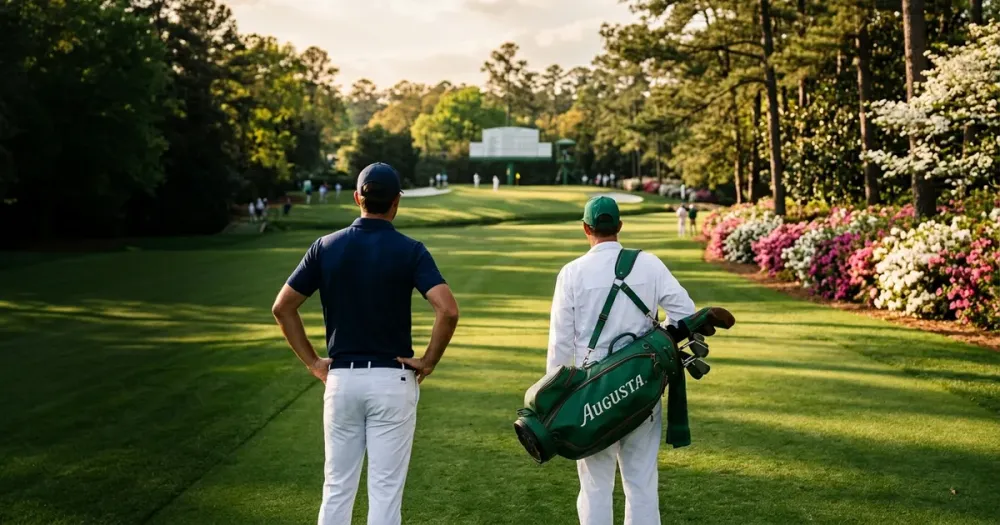
Rory McIlroy has carved out an extraordinary position at the Masters 2026, holding a six-shot lead after 36 holes — a margin no player has ever enjoyed at this stage in the tournament’s 90-year history. His Friday 65 not only extended his lead but redefined the weekend’s narrative, putting every contender on notice. With a second green jacket within reach, McIlroy’s dominance at Augusta National raises the stakes both for him and the chasing pack, including major winners and top-ranked players eager to close the gap.
Setting a Masters Record: Why McIlroy’s Lead Matters
Augusta National has traditionally been a course where leads are fragile and pressure intensifies as the weekend unfolds. Yet, Rory McIlroy’s six-shot advantage is unprecedented after two rounds. This cushion isn’t just about numbers; it shifts the psychology of the field. The scoring average typically tightens on Saturday, but McIlroy’s aggressive style, as he described, "allowing himself to play the course the way he knows he can," suggests he’s not content to just protect his lead. It’s a rare combination of confidence and course knowledge, honed by extensive practice rounds and familiarity with Augusta’s unique challenges.
How McIlroy’s Preparation Sets Him Apart
Unlike many who arrive just days before the Masters, McIlroy has spent weeks practicing at Augusta, focusing on chipping, putting, and navigating the course’s trickier spots. His commitment to preparation echoes the habits of Masters champions who understand that precision around the greens often dictates success here. McIlroy’s approach—mixing practice with scoring attempts in "weird places"—has translated into a round full of birdies, including six in the final seven holes. This blend of meticulous preparation and aggressive execution is a blueprint for players seeking to conquer Augusta.
The Chasing Pack: Who’s Still in the Hunt?
Although McIlroy’s lead is commanding, the field bristles with talent. Notables like Patrick Reed and Sam Burns trail by six shots, each with their own Masters history and hunger for a second green jacket. Reed, who won here in 2018, exemplifies the tournament’s capacity for comebacks despite daunting deficits. Other major winners and top-ranked players like Justin Rose, who nearly toppled McIlroy in last year’s playoff, remain within striking distance. Tommy Fleetwood’s eagle-studded round 68 also signals potential volatility. But as Fleetwood put it, “It’s up to him what happens,” underscoring the challenge of overcoming McIlroy’s form.
What This Means for the Weekend and the Game
In golf, a strong lead doesn’t guarantee victory, especially at Augusta where pressure can erode even the most confident players. McIlroy’s experience from last year’s roller-coaster final round—where he faced immense pressure despite leading—has tempered his mindset. Now, his focus is inward, battling the course and his own game rather than the leaderboard. This mental shift is crucial because it frees him from the usual distractions that come with leading a major. For fans and followers, this means watching a player who’s as much managing his mindset as his shots.
Golf IQ: The Strategic Implications of a Six-Shot Lead
Holding such a lead at Augusta is rare because the course’s design and conditions often punish overly cautious play. McIlroy’s decision to stay aggressive aligns with successful Masters strategies that balance risk and reward. Players with leads here typically face a dilemma: defend the lead with conservative play or continue attacking to maintain momentum. McIlroy’s approach to "keep swinging" and not letting the leaderboard dominate his thoughts indicates an understanding that the course rewards boldness, especially on par-5s and reachable par-4s where birdie opportunities abound.
For players and coaches interested in golf tips or equipment choices, McIlroy’s performance highlights the importance of a versatile set-up capable of handling Augusta’s varied lies and fast greens. His meticulous preparation around the greens, including chipping and putting drills, is a reminder that success here depends as much on short game mastery as on long drives.
What to Watch Next: The Final 36 Holes
The weekend promises intense drama. McIlroy’s six-shot lead is historic, but the Masters has humbled many before him. The pressure will test his ability to maintain aggressive yet controlled play. Meanwhile, contenders like Reed, Burns, and Rose will strategize how to chip away at the gap without overreaching. The evolving course conditions and pin placements will also play a role in shaping the leaderboard. Watching how McIlroy handles the interplay between his mental game and the course will be critical to understanding if he can become the first back-to-back Masters winner since Tiger Woods in 2001.
According to All The Golf, McIlroy’s strong start is more than just a lead—it’s a statement that could define this chapter of his career and influence the competitive dynamics of the season. For a broader view, explore our coverage of golf majors coverage and results.
Source: according to All The Golf
All facts and quotes are credited to their originating outlets. Learn more about our sourcing policy.