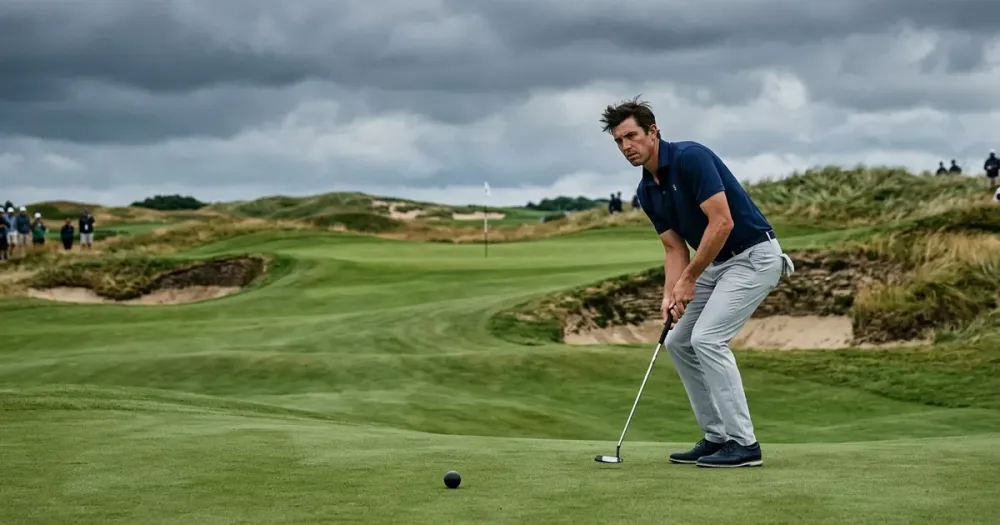
On the 15th hole during the third round at Shinnecock Hills, Rory McIlroy faced what should have been a routine two-foot par putt. The gallery held its breath. But the ball missed its mark. It wasn’t just a missed putt; it was a moment that symbolized the sudden unraveling of McIlroy’s challenge in the 2026 U.S. Open. Up until that point, McIlroy had been mounting a serious charge, his birdie streak and long-range heroics putting him in striking distance of the lead. Then, just like that, the tournament slipped away.
Rory’s Saturday Surge: From Birdie Bomb to Contention
The Sudden Back-Nine Collapse That Changed Everything
But as afternoon shadows lengthened over Peconic Bay, McIlroy’s momentum faltered. After a strong front nine, the back nine at Shinnecock Hills exposed the cracks. The missed two-foot par putt on 15 was a glaring symptom of a wider breakdown. Bogeys on 10, 12, 14, and 18 piled up, some three-putts included, turning a promising two-under into a jarring 40 on the back nine. By round’s end, McIlroy was nine shots behind Clark, a gulf that erased any realistic hopes of contending on Sunday.
Shinnecock’s Physical and Mental Toll
The relentless wind and demanding layout of Shinnecock Hills have long been known to test not just skill but stamina and mental resilience. McIlroy himself acknowledged the course had "won the battle" on Saturday. The combination of punishing conditions and the high stakes of a U.S. Open seemed to sap the energy that had propelled him earlier. He went from driving 365 yards down the 10th fairway to airmailing wedges and three-putting greens. The course didn’t just challenge his game; it broke his rhythm.
Front Nine Resilience vs. Back Nine Struggles: A Tale of Two Halves
McIlroy's performance at Shinnecock was a study in contrast. The front nine on Saturday showed a player in control, making smart decisions and capitalizing on opportunities. But the back nine revealed how quickly things can unravel under pressure. The missed short putt on 15 was more than a missed stroke; it was the moment McIlroy’s confidence faltered. His usual bounce and composure gave way to frustration and fatigue, and that shift opened the door for competitors like Scottie Scheffler to surge ahead.
Implications for McIlroy’s U.S. Open Quest
This collapse not only reshaped the leaderboard but also cast a harsh light on the unpredictability of the U.S. Open, especially at a venue like Shinnecock. For McIlroy, it was a painful reminder of how fleeting opportunity can be. After years of near misses including six straight top 10s and two runner-up finishes at the U.S. Open, the window to capture this elusive title remains open but perilously narrow. His brief flirtation with contention in 2026 showed promise but also how quickly the tournament can slip away when the pressure escalates.
As All The Golf reported, McIlroy reflected on the collapse, saying, "I think it won the battle over me at this point," and added, "I could have done with that start to the back nine yesterday for sure," underscoring how pivotal those final holes were.
McIlroy’s final round offered a bittersweet coda: birdies on 10 and 11 that, had they come a day earlier, might have changed everything. Instead, they served as a reminder of what was lost, not what could be gained.
Looking ahead, McIlroy will turn his focus to upcoming PGA Tour events and the next major opportunities to rewrite his U.S. Open story. The 2026 Shinnecock experience will linger as a lesson in the brutal demands of this championship and the razor-thin line between triumph and collapse on golf’s toughest stages. For a broader view, explore our coverage of golf majors coverage and results.
Source: as reported by All The Golf
All facts and quotes are credited to their originating outlets. Learn more about our sourcing policy.