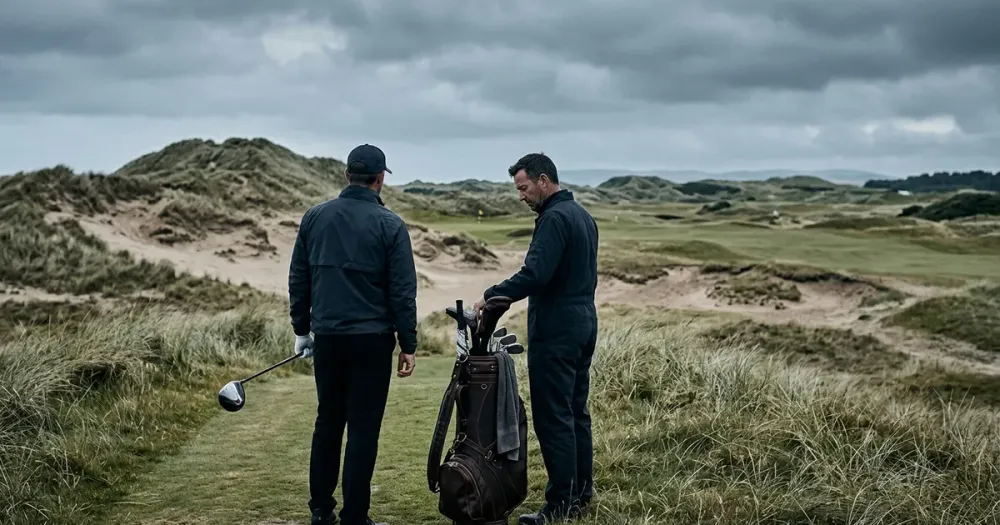
At Royal Birkdale, the applause for Justin Rose as he walked up the 18th hole was warm but tinged with bittersweet emotion. The crowd’s cheers weren’t just for the moment—they were an acknowledgment of Rose’s career and the weight of expectations he carried as a home favorite. Yet, despite the standing ovation, Rose’s day ended prematurely with a missed cut, a stark reminder of how brutal the Open Championship can be, even for seasoned veterans.
Rose’s Walk Up 18: More Ceremony Than Celebration
Justin Rose’s final round at Royal Birkdale showcased the emotional complexity of competing on home soil. After a difficult first round 76, Rose rallied with a 2-under 68 on Friday but still fell short of the cut. His exit was less about defeat and more about savoring the moment, as he said, "I was trying to get out of my own head at that point and just enjoy the glorious walk that an Open Championship 18th hole is." The crowd’s affection was evident, reflecting both nostalgia for Rose’s early promise—like his memorable 1998 chip-in as a 17-year-old amateur—and respect for his career since.
Fitzpatrick’s Frustration Highlights Links Golf’s Unique Grip
Matt Fitzpatrick, ranked No. 3 globally and in form with three wins this year, also missed the cut. His visible frustration, punctuated by a thumbs-up gesture after missed putts, underlined the unpredictable nature of links golf. "I've hit decent shots, gotten no luck and come away with 4-over par. That's the way links golf is," Fitzpatrick reflected. This candid admission exposes how even elite players can struggle with the quirks, bounces, and fickle conditions that define the Open Championship.
The Cut Line at 1-Over Par: A Mark of Intense Competition
The cut at Royal Birkdale settled at 1-over 141, mirroring last year's low threshold at Royal Portrush. This tight scoring environment meant several major champions, including Aaron Rai and Wyndham Clark, failed to progress. Rory McIlroy was the lone major winner to make the weekend cut, underscoring how demanding the course and conditions remain, even as low rounds like the record-tying 62s by Lucas Herbert and Sam Burns pushed scoring lower overall.
Harry Hall’s Struggle Reflects Major Championship Rigors
England’s Harry Hall, who opened with a 77, is now the only player to have missed the cut in all four majors this year. His experience offers a sobering glimpse into the unforgiving consistency required at the highest level. It’s a stark reminder that talent alone isn’t enough; adapting to varied course conditions and maintaining form across majors is a distinct challenge.
Late-Round Drama Shows Mental Resilience’s Role
Some players demonstrated how tight the margins are at this level. Min Woo Lee and Josele Ballester each birdied the 18th—the tournament’s toughest hole—to make the cut on the number. Lee’s comment, "Just making cuts is not the big picture, but moments like that when you need to, I think that will help in the long run," captures how clutch performances can be pivotal in building confidence for the grueling weekend ahead.
Meanwhile, Cameron Smith, the 2022 Open champion, missed the cut by a single shot despite switching to a mallet putter—a move that surprised many. His inability to create birdie opportunities inside 20 feet on the back nine highlights how even equipment changes can’t always overcome struggles with approach shots and course challenges.
Why the Justin Rose Matt Fitzpatrick Open 2026 Missed Cut Matters
These missed cuts are not just personal setbacks but signal a shifting dynamic in Open Championship golf. British golfers, long expected to thrive at home Opens, face mounting pressure from both the crowd and the merciless links conditions. Their struggles illuminate how even top-ranked players are vulnerable to the Open’s unique demands and how mental and tactical adaptability are more crucial than ever.
According to All The Golf, this year’s results underscore that the Open is less about reputation and more about who can master links unpredictability on the day.
Understanding this helps fans appreciate that a missed cut like Rose’s or Fitzpatrick’s isn’t a failure but part of the evolving challenge the Open presents—a demanding test of skill, nerves, and luck.
What to Watch Next
Looking ahead, eyes turn to the weekend leaderboard and the fine margins separating contenders from the rest. Players who survive the cut will face not just the course but the psychological battle of maintaining momentum. The next ranking updates and the approaching majors will reveal how much this experience at Royal Birkdale shapes careers and confidence going forward. British hopes will be pinned on those who can convert pressure into performance in the coming weeks. For a broader view, explore our coverage of golf majors coverage and results.
Source: as reported by All The Golf
All facts and quotes are credited to their originating outlets. Learn more about our sourcing policy.