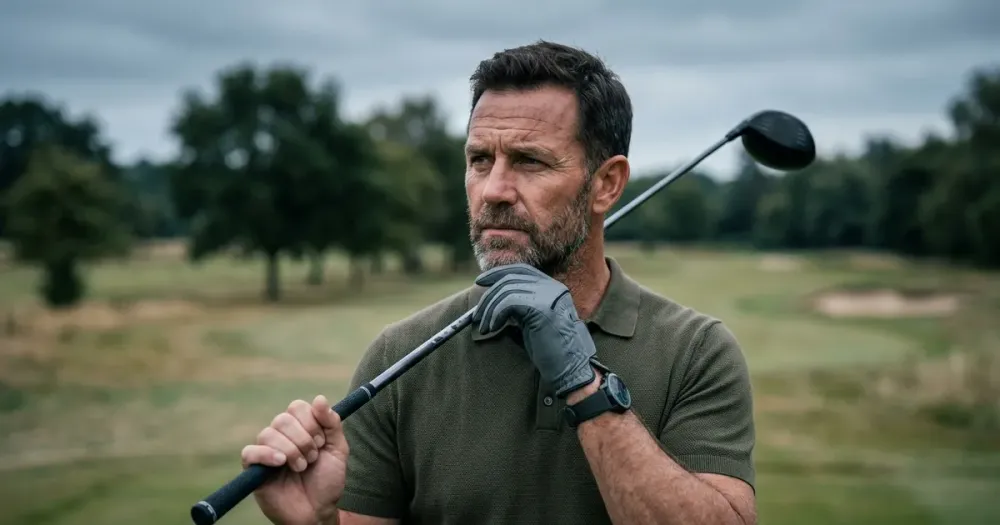
In the tense final moments of the 2026 Presidents Cup at Medinah, U.S. captain Brandt Snedeker witnessed his team scrape back from near collapse. Despite critical mistakes that nearly cost the Americans dearly, a furious Sunday rally secured victory. Yet, in the aftermath, Snedeker made a declaration that could ripple far beyond that event: he confidently stated the U.S. Ryder Cup team would be a “problem” for Europe at Adare Manor in 2027. Ironically, this attempt to boost American morale may have handed the European squad a potent motivational tool for next year’s showdown.
Snedeker’s Mistakes and the Fragile U.S. Edge
Snedeker openly acknowledged errors during the Presidents Cup that almost doomed the U.S. side. While the players saved his reputation with a strong finish, the close call laid bare internal vulnerabilities within the American team’s dynamic. This context matters because it reveals the pressure cooker environment leading into the Ryder Cup—where even small cracks can be magnified amid fierce competition.
From Confidence to Potential Backfire: The Power of Snedeker’s Words
In a Sirius XM PGA Tour Radio interview following the Presidents Cup, Snedeker praised his players and boldly claimed, “This team’s gonna be a problem in Ireland.” Though intended as a rallying cry for the Americans, such remarks risk offering Europe “bulletin-board material” – a well-worn psychological weapon in Ryder Cup lore. This isn’t the first time American captain comments have inadvertently fueled European fire. Keegan Bradley’s infamous 2025 remark about going to Bethpage Black to “kick their f—ing a–” became a literal locker room motto for Europe after the Americans’ defeat.
Why Europe’s Ryder Cup Record and Mindset Matter
Despite the U.S. team’s star-studded lineups and superior Official World Golf Rankings, their Ryder Cup record over the past quarter-century has been dismal: just two wins in the last eight events and three in the last twelve. The Europeans have consistently punched above their weight, leveraging unity and psychological edge to overcome ranking deficits. This historical backdrop underscores why Snedeker’s confident pronouncements could energize the European side rather than intimidate them.
Tyrrell Hatton’s Cautious Response: Silence as Strategy
European players, not involved in the Presidents Cup, had a chance to respond to Snedeker’s comments during the 2026 Alfred Dunhill Links Championship. Tyrrell Hatton, a seasoned Ryder Cup veteran with a 3-1 record in the last four events, declined to engage directly. He acknowledged the U.S. team’s strength but refrained from amplifying internal tensions. This measured silence is telling: European players avoid publicizing internal motivations and are unlikely to provide American opponents with further psychological ammo.
The Psychological Warfare of Ryder Cup Leadership and What It Means for 2027
Snedeker’s post-victory boast fits squarely into the tradition of Ryder Cup captain rhetoric that can backfire. The Europeans have mastered the art of turning American bravado into a unifying call to arms, strengthening team cohesion and focus. With the 2027 Ryder Cup set for Adare Manor, a course known for its challenging layout and strategic demands, this psychological edge could prove decisive. The Americans’ confidence, while justified by world rankings, must be balanced against historical performance and the intangible factors of motivation and team spirit.
As the countdown to the 2027 Ryder Cup continues, all eyes will be on how Jim Furyk’s U.S. team responds to this dynamic. Will Snedeker’s comments rally his squad or inadvertently sharpen European resolve? The answer may become clearer as team selections, preparations, and early competitions unfold.
What to watch next: The upcoming 2027 Ryder Cup captain selections and early team qualifying events will reveal how much Snedeker’s remarks influence player attitudes and selections on both sides. Monitoring these developments will be key to understanding the psychological battlefield shaping next year’s fierce competition. For a broader view, explore our coverage of PGA Tour news and results.
Source: as reported by All The Golf
All facts and quotes are credited to their originating outlets. Learn more about our sourcing policy.