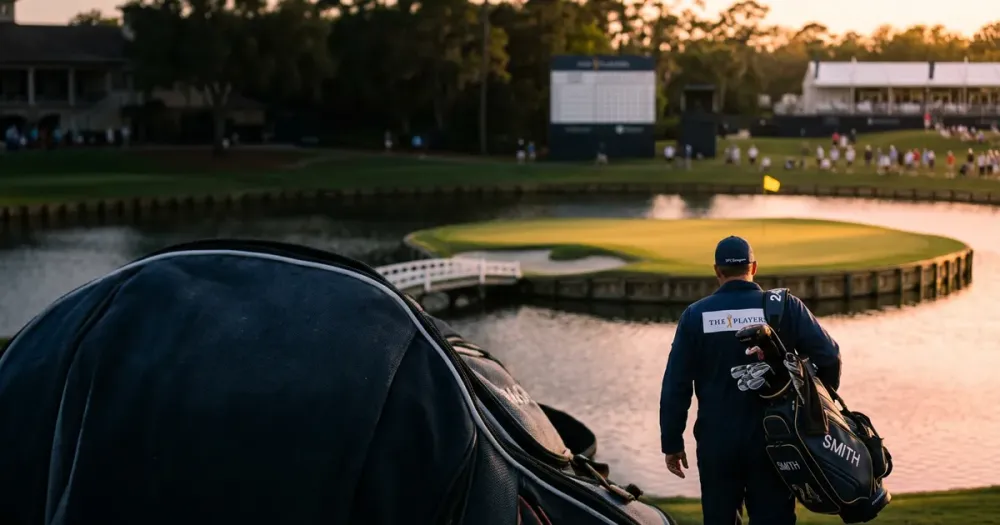
Just one hole into the 2026 Players Championship at TPC Sawgrass, Collin Morikawa, a top contender and among the betting favorites, abruptly withdrew due to a sudden back injury. The moment came on the 11th tee box, where after a routine practice swing, Morikawa immediately felt a sharp pain that forced him to abandon the hole and eventually the tournament altogether. This unexpected exit sent ripples through the leaderboard and betting markets, shifting the tournament’s dynamic and raising questions about Morikawa’s season ahead.
The Shockwave Through the Leaderboard and Golf Scores
Morikawa’s withdrawal at +25 in the early stages of the Players Championship left a void at the top of the leaderboard that instantly reshaped the leaderboard hierarchy. Prior to the incident, Morikawa was positioned as a strong threat, coming off a recent win at Pebble Beach in February, which had boosted his confidence and form. His absence now opens the door for other contenders to capitalize, notably Scottie Scheffler and Rory McIlroy, who were already among the favorites. Morikawa’s departure removes one of the few players capable of consistently challenging the course’s tough scoring conditions, which are notorious for squeezing strokes out of even the best golfers.
At a course like TPC Sawgrass, where the average golf scores tend to be higher than many other venues due to its penal design, having a player of Morikawa’s caliber suddenly out means the leaderboard will likely see more volatility. Players who rely on calculated aggression and precision—skills Morikawa exemplifies—now face a slightly different competitive landscape. This change matters because golf scoring at this level is a delicate balance of risk and reward, and the absence of a key rival affects how others approach their rounds.
Betting Odds Flip: Who Gains From Morikawa’s Exit?
Before the withdrawal, Morikawa’s odds to win were set at +2500, reflecting his strong recent form and capability on challenging courses. His exit immediately altered betting dynamics, shifting the market in favor of players like Scottie Scheffler, whose odds tightened to +350, and Rory McIlroy, who sits at +1200. Bookmakers responded swiftly, recalibrating their lines to account for the removal of a serious contender.
This recalibration is more than just numbers on a board; it influences how bettors allocate their stakes and how players perceive the pressure on the field. Scheffler, for example, now carries the weight of being the frontrunner, which can affect his strategy on the course. Meanwhile, players further down the rankings might sense increased opportunity, potentially altering their approach to risk-taking. In golf, where mental game and momentum play crucial roles, these subtle shifts in betting odds can have outsized effects on performance.
What Morikawa’s Injury Means for His 2026 Season
Morikawa’s sudden back issue isn’t just a tournament setback; it casts a shadow over his entire 2026 campaign. The back injury struck without warning—he reported feeling fine during warm-ups and even played a solid first hole before the pain hit. This unpredictability complicates recovery planning, as back injuries can vary widely in severity and recovery time.
Historically, Morikawa has shown resilience and the ability to bounce back quickly, but the nature of back problems in golf is notoriously tricky. Swing mechanics place significant strain on the lower back, and rushing back can risk further damage. His recent form, including the Pebble Beach win and two top-10 finishes in his prior starts, suggested a player hitting his stride. This interruption could stall that momentum and force him to adjust his schedule, prioritizing rest and rehabilitation over tournament play.
Why This Matters for Golf Fans and the LPGA Landscape
While Morikawa’s injury is a blow to the Players Championship narrative, it also highlights the physical demands of professional golf. Golf fans tracking the latest golf scores will notice how such injuries can abruptly alter tournament storylines and player rankings, affecting not just individual outcomes but broader golf rankings as well. For the LPGA and other tours, it’s a reminder of the importance of managing player health amid grueling schedules.
Moreover, Morikawa’s withdrawal shifts attention to the golf equipment and preparation strategies players use to mitigate injury risks. The interplay between course difficulty, player fitness, and equipment choice often goes unnoticed until incidents like this bring it to the forefront.
Looking Ahead: What to Watch in the Coming Weeks
As the Players Championship continues without Morikawa, eyes will be on how the leaderboard evolves and which players seize the opportunity to capitalize on his absence. Scottie Scheffler’s response to the increased pressure and Rory McIlroy’s pursuit of another title will be key storylines. Off the course, monitoring updates on Morikawa’s recovery timeline will be crucial to understanding his prospects for the rest of the season, especially with major tournaments looming.
The next few weeks will also reveal how the altered betting landscape influences player behavior and fan engagement. Golf fans tracking golf scores and tournament narratives should watch closely as this unexpected moment at TPC Sawgrass reshapes the competitive field.
According to Golf.com’s report by Josh Berhow, Morikawa’s withdrawal was sudden and unexpected, underscoring the precarious nature of professional golf careers. This situation is a stark reminder that even the best players are vulnerable to the physical toll of the sport.
All facts and quotes are credited to their originating outlets. Learn more about our sourcing policy.