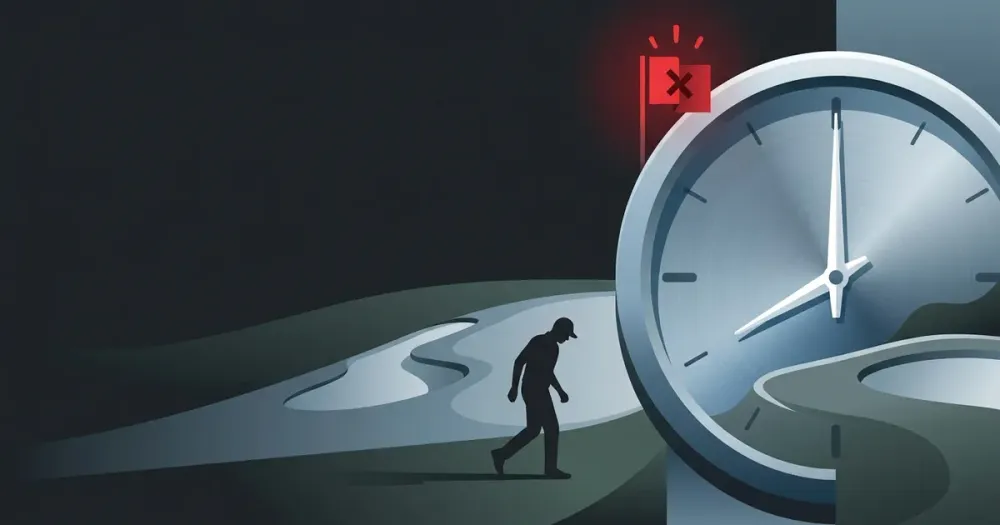
On the opening day of the 2026 PGA Championship at Aronimink, Garrick Higgo found himself on the wrong side of a rare and costly rule enforcement. The 27-year-old South African was hit with a two-stroke penalty for arriving late to his 7:18 a.m. tee time—arriving at 7:19 a.m. despite being nearby on the practice putting green. This tiny delay wasn’t just a technicality; it effectively cost him a spot in the weekend rounds.
Seconds Late, Two Strokes Lost: The High Cost of Timing Rules
Golf’s rules are famously precise, and this incident underscores why. The PGA of America clarified that while Higgo was present on the course, he wasn’t within the designated starting point at the scheduled time. That’s enough to trigger the penalty. Higgo himself acknowledged the harsh reality: “I was there on time, but the rule is, if you’re one second late, you’re late.”
Without that penalty, Higgo’s first-round 69 would have been recorded as a 67, tying him for the lead at three under par. Instead, his official score reflected the two-stroke addition, setting him back noticeably in the standings.
From a Promising Start to a Cut Missed by a Single Stroke
Despite the rough start, Higgo battled through his second round. However, his performance faltered, particularly on the front nine where he posted a 40, bogeying seven times and only securing a late birdie on the final hole. Ultimately, his total of five-over-par after 36 holes left him one shot short of making the cut.
Higgo was part of a tight group of 12 players—including major champions Jimmy Walker and Wyndham Clark—who missed the weekend by the slimmest of margins. But for Higgo, the two-stroke penalty loomed large as a decisive factor in his exit from the tournament.
Why This Matters: Rankings, Money, and Career Trajectory
Currently ranked No. 85 worldwide, Higgo’s position in the game depends heavily on accumulating strong finishes, especially in major championships. Missing the cut means no world ranking points this week, a setback for a player who isn’t exempt into the remaining majors of the season.
Financially, the stakes are equally high. The PGA Championship’s massive $20.5 million purse offers significant earning potential, but only to those who make the cut. Players who miss out earn a mere $4,300 compared to at least $23,000 for those advancing. With Higgo’s $142,280 earnings over 12 tournaments this year, missing out on the cut is a costly blow.
Golf Rules and Their Impact on Player Strategy
This incident highlights how strict timing rules in golf can affect a player's tournament fate. Being physically present on the course isn’t enough; players must be at the exact starting point at the scheduled tee time. This precision forces players to carefully manage pre-shot routines and course navigation, especially in majors where tee times are tightly controlled.
For golfers aiming to avoid such pitfalls, the takeaway is clear: prioritize early arrival to the tee box over last-minute practice swings. In tight fields and major events, even a few seconds can mean the difference between contending and packing up early.
What This Means for Higgo and the PGA Tour Landscape
Higgo’s late tee penalty serves as a cautionary tale about the fine margins that define professional golf. It also sheds light on how rules enforcement can influence career momentum, especially for players outside the top tier who rely on big performances to climb the rankings and secure exemptions.
As the PGA Tour evolves, incidents like these may prompt discussions about balancing strict adherence to rules with fairness and competitive integrity. Meanwhile, players will likely double down on logistical precision as much as on their swing mechanics.
According to the PGA TOUR’s official release and reports from All The Golf, this episode at Aronimink is a vivid reminder that in golf, timing is everything—sometimes literally. For a broader view, explore our coverage of PGA Tour news and results.
Source: as reported by All The Golf
All facts and quotes are credited to their originating outlets. Learn more about our sourcing policy.