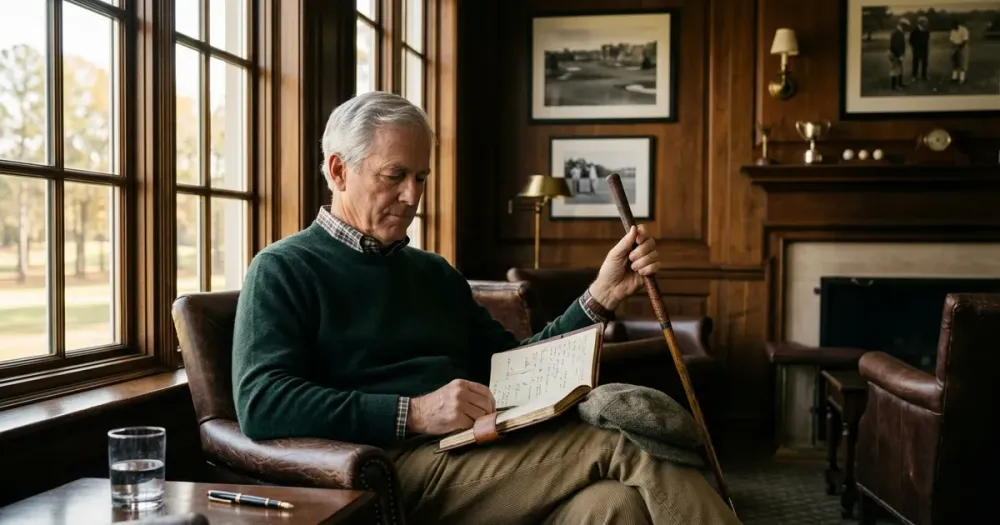
It was early April 1986 at Augusta National, and Jack Nicklaus, then 46, stood on the 17th tee, eyes locked on the pin. The gallery held its breath as the Golden Bear executed a shot that would become the stuff of legend, a moment when experience and cunning outpaced raw power. That day, Nicklaus clinched his sixth green jacket, defying the conventional wisdom that aging meant inevitable decline on the PGA Tour. This victory wasn’t just a trophy—it was a masterclass in adapting golf to the realities of growing older.
Jack Nicklaus’s 1986 Masters: Strategy Over Strength
Nicklaus’s triumph at Augusta remains a defining example of how aging players can recalibrate their game. Though he no longer matched the youthful power bombers on the course, his precision, course management, and mental toughness were unmatched. By focusing on shot placement and short game finesse, he offset the natural loss of distance, particularly with longer clubs like the driver and long irons.
As the legendary golfer later explained in a 1995 interview with GOLF Magazine, the biggest shift he noticed entering his 50s was a drop in clubhead speed and leg drive, crucial elements for distance. This change affected his ability to attack par fives and long par fours, and it pressured his short game and putting. Yet, instead of surrendering to these setbacks, Nicklaus evolved his approach.
The Physical Hurdles of Aging Golfers
The decline in power that Nicklaus experienced is common among senior PGA Tour players. Loss of muscle strength, slower leg action, and occasional injuries mean fewer yardage gains off the tee and less loft and height on long irons. Nicklaus pointed out that while some players like Dave Stockton or Bob Charles maintained or even increased their distance, most see a gradual reduction.
Nicklaus attributed his power leakage largely to diminished leg leverage and timing. His swing remained technically sound, but the speed and explosiveness faded. This made it tougher to generate the clubhead speed necessary for long, high shots, especially on sea-level courses stretching beyond 7,000 yards. Elevation or shorter tracks offered some reprieve, but the physical reality remained clear.
Mental Adjustments: Playing Smarter, Not Harder
Beyond physical changes, Nicklaus emphasized the mental shift required to stay competitive. Knowing he couldn’t rely on overpowering the course, he doubled down on strategic thinking. He honed his short game, pitching, chipping, and bunker play, turning what was once a secondary strength into a critical weapon.
This mental recalibration also meant accepting new club selections. Nicklaus began to favor fairway woods over long irons, recognizing that well-fitted equipment could compensate for some lost distance while enhancing shot control. This practical mindset is a key lesson for any aging player confronting the gap between youthful vigor and seasoned wisdom.
Adapting Equipment to Offset Decline
Nicklaus’s evolution extended to his gear. Starting about six years before his 1995 interview, he experimented with shafts, flexes, and clubhead designs to maximize his effective yardage. Graphite shafts helped reduce impact shock, while metal wood heads offered better carry and roll. His combination of a graphite-shafted metal driver and a steel-shafted wooden 3-wood reflected a blend of tradition and technology aimed at preserving performance.
For senior amateurs and professionals alike, this approach underscores the importance of expert club fitting. The right equipment can mitigate some physical decline, allowing golfers to maintain competitiveness and enjoyment. Nicklaus’s experience shows that embracing innovation, rather than resisting change, is crucial as the game evolves with age.
Lessons for Today’s Senior PGA Tour Players
Nicklaus’s story is more than nostalgia; it’s a roadmap for current and future senior players. His combination of physical conditioning, mental adaptation, equipment optimization, and relentless practice in all areas of the game provides a blueprint for longevity. Rather than lamenting lost power, senior golfers can sharpen their short game, embrace smart club choices, and maintain physical fitness to remain contenders.
His dedication to exercise, including stretching and strengthening routines, was pivotal. Nicklaus credited his ability to compete into his 50s to these regimens, which kept his legs and core strong—essential for generating leverage and stability in the swing.
Ultimately, Jack Nicklaus’s 1986 Masters win and subsequent reflections reveal that aging on the PGA Tour isn’t a surrender; it’s a transformation. For players facing the inevitable power decline, the Golden Bear’s advice offers a path to continued excellence.
As the PGA Tour and Senior Tour fields continue to feature players confronting the same challenges, Nicklaus’s insights remain invaluable. Whether it’s through refined strategy, tailored equipment, or mental resilience, the art of aging gracefully on the course is as relevant now as it was nearly four decades ago.
Looking ahead, keep an eye on upcoming Senior Tour events where players who have embraced these principles will test themselves. Their performances will show how the blend of experience, adaptation, and determination can keep the competitive fire burning long after the prime years have passed. For a broader view, explore our coverage of PGA Tour news and results.
Source: as reported by All The Golf
All facts and quotes are credited to their originating outlets. Learn more about our sourcing policy.