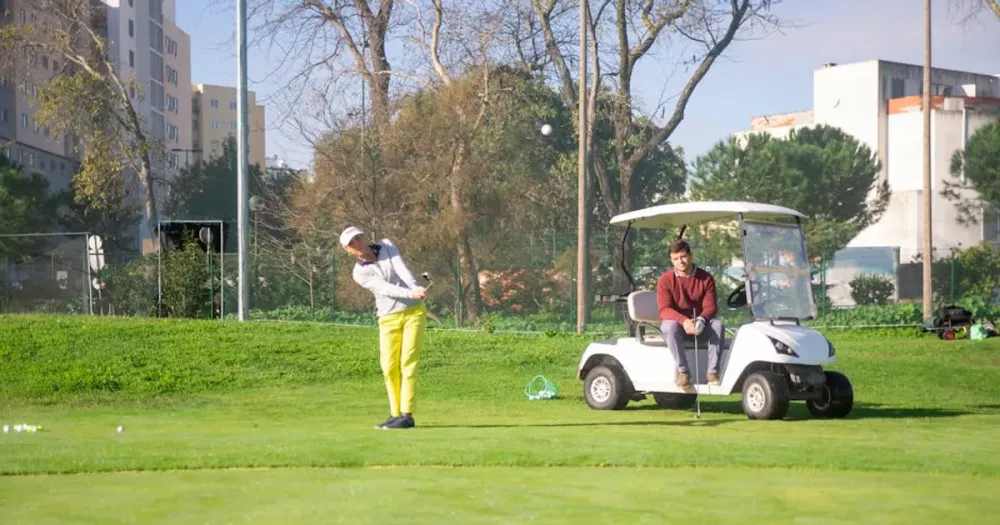
Jim Nantz, the voice of CBS golf broadcasts, made a surprising admission ahead of the 2026 Masters: he hasn’t watched Bryson DeChambeau hit a single shot this year. Despite naming DeChambeau as one of his top picks to win at Augusta National, Nantz confessed during a media call that his knowledge of Bryson’s current form comes mostly from secondhand reports and YouTube clips featuring DeChambeau and his son.
The Broadcast Blind Spot and Its Stakes
Nantz’s confession matters because he’s been the lead analyst for CBS’s PGA Tour coverage for decades, expected to provide informed commentary on every major contender. Yet DeChambeau, who switched to LIV Golf in 2022 and has since played exclusively on that circuit, has eluded Nantz’s viewing schedule. CBS’s golf coverage ended with the Genesis Invitational on February 22, giving Nantz a month-plus without live exposure to DeChambeau’s recent back-to-back LIV wins.
This disconnect highlights a larger issue in golf broadcasting: how the divide between tours impacts the depth of expert insight. With LIV Golf events not covered by CBS and Nantz not tuning into LIV broadcasts, viewers counting on the Masters telecast risk missing current context on a key player’s form and momentum.
Why Jim Nantz Hasn’t Watched DeChambeau This Year
Nantz explained that his schedule and focus on CBS’s own coverage limited his opportunities to follow LIV Golf. While NBC has held rights to recent PGA Tour events, CBS has not broadcast professional golf since late February. This scheduling gap, combined with DeChambeau’s absence from the PGA Tour, means Nantz’s usual preparation routine doesn’t include LIV Golf tournaments.
In effect, Nantz’s statement reveals how network rights and tour affiliations shape the information analysts can access, and by extension, what they can share with viewers. For a player like DeChambeau, whose game and competitive status are evolving outside the PGA Tour’s spotlight, this creates a blind spot.
What This Means for Masters Viewers
For golf fans wondering how expert commentators assess players, Nantz’s admission offers clarity: if a player competes outside the primary broadcast network’s schedule, the analysis may rely on outdated or indirect sources. This affects the accuracy of form assessments and the depth of strategic insights during live coverage.
Understanding this dynamic helps viewers appreciate the challenges broadcasters face in delivering up-to-date analysis amid fragmented golf schedules. It also underscores the importance of seeking multiple sources or following different tours directly to form a fuller picture of competitors like DeChambeau.
Looking Ahead to Augusta
Despite the lack of direct observation, Nantz trusts DeChambeau’s potential at the Masters based on past performances and his known determination to win the Green Jacket. DeChambeau’s previous major victories and his powerful, data-driven approach to the game keep him a serious contender.
The 2026 Masters, starting April 9 at Augusta National, will test whether DeChambeau can translate his LIV Golf success to a major championship stage under intense scrutiny. Fans and analysts alike will watch closely, perhaps with more awareness of the broadcast challenges in tracking his journey.
According to Golf.com, Nantz’s candid admission sheds light on the realities of golf broadcasting in a divided professional landscape.
What to Watch Next
As the Masters unfolds, pay attention to how CBS’s coverage handles DeChambeau’s story and whether commentators bridge the knowledge gap with updated insights. The tournament’s early rounds will also reveal how well DeChambeau’s recent form holds up against a star-studded field, offering a real-time answer to the questions Nantz’s admission raises. For a broader view, explore our coverage of PGA Tour news and results.
Source: as reported by Golf.com
All facts and quotes are credited to their originating outlets. Learn more about our sourcing policy.