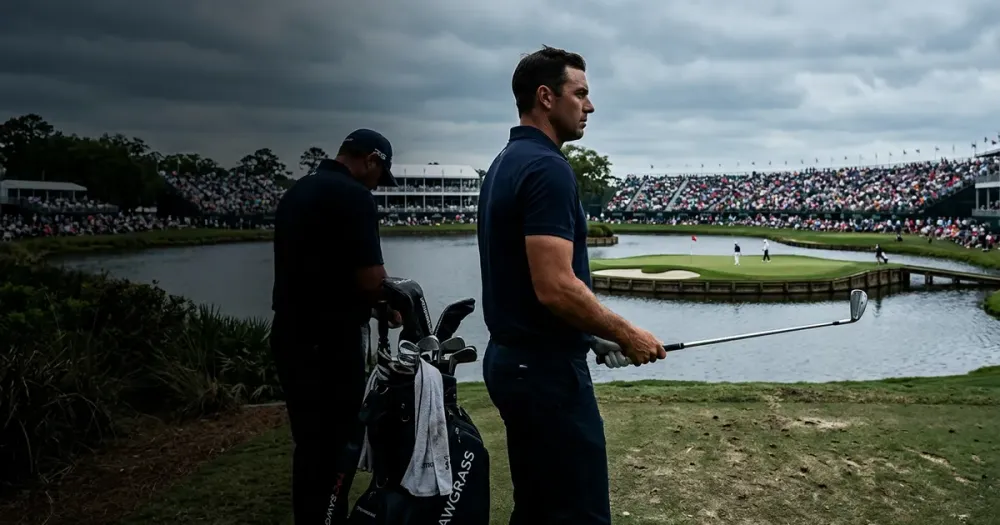
Jordan Spieth’s second round at The Players Championship on March 13, 2026, was a study in contrasts. He dazzled with seven birdies on the Pete Dye Stadium Course, including a 49-foot putt on the par-5 second hole and a ricochet off a tree on the 18th tee that somehow stayed in play. Yet, despite these moments of brilliance, Spieth’s round ended in frustration after back-to-back double bogeys on the closing holes. The final stumble left him four shots behind the leaders and reminded fans of the ongoing struggle he faces at one of golf’s toughest venues.
The Money Trail Isn't the Point—The Incentive Is
Spieth’s round was a microcosm of his career-long battle with the Stadium Course at TPC Sawgrass. Over the past decade, this course has been more foe than friend, yielding six missed cuts and only a single top-20 finish in 10 appearances. For a player of Spieth’s caliber, known for his clutch putting and iron play, this track exposes every crack in his game and tests mental resilience. On Friday, he showed flashes of the old Spieth—aggressive and precise on approach shots, patient in reading putts. Yet, the course’s unforgiving nature manifested late, particularly on the 9th hole.
This Is Where Fans Get Played
Golf fans watching saw Spieth tee off on the par-5 ninth hole, sitting at six under for the day and within striking distance of the lead. His drive found the trees, forcing a punch-out. Attempting to find the green with his third shot, Spieth pulled the ball left, searching for a provisional after losing sight of the first ball. His caddie, Michael Greller, heard his uncertainty: “I don’t know what’s over there,” Spieth admitted, “I know there’s the driving range.” Ultimately, Spieth found his ball behind a tree but was forced to take a double bogey, a costly misstep that erased much of his hard work that day. It was a painful reminder of how a single shot can derail a round on this course.
The Quiet Detail That Changes the Whole Story
What’s striking about Spieth’s performance is how it highlights the fine line between success and setback at Sawgrass. His game stats are telling: through two rounds, he ranked 10th in Strokes Gained: Approach and Around the Green, showcasing his ability to hit precise shots into tight pins and scramble when necessary. Off the tee, however, he was slightly off, losing a bit more than a stroke per round. On the greens, he hovered just below even, despite the long putts he drained. This mix of strong approach play and inconsistent tee shots is a signature of Spieth’s recent PGA Tour performances. It’s why patience is the centerpiece of his strategy here—something he admits he has yet to fully master.
Why It Matters: The Mental Game at Sawgrass
Golf is as much a mental test as a physical one, and Spieth’s remarks after the round were revealing. “It was just a bummer, both days finish with doubles. I just played better than that,” he said, capturing the frustration many pros feel when execution falters despite good decision-making. Spieth’s recent wrist surgery added another layer to his journey back to form. He believes his putting is back to being a weapon, but the erratic moments on the course suggest he’s still searching for that elusive perfect balance. The pressure of the PGA Tour’s flagship event only amplifies these challenges, especially at a venue designed to punish impatience and reward strategic precision.
How It Works: What This Means for Spieth’s Season
Spieth’s second-round 68 keeps him in contention, but the late double bogeys underscore how quickly momentum can shift at The Players. His performance so far suggests he’s close to a breakthrough. If he can tighten his tee shots and harness the patience he spoke about, the top spots are within reach. For fans tracking golf rankings and player form, this tournament serves as a bellwether for Spieth’s potential resurgence. His ability to navigate elite golf courses like Sawgrass will be pivotal in defining his 2026 campaign.
A Birdie-Filled Round Shadowed by Doubles
Throughout the day, Spieth showed why he remains one of the game’s most exciting talents. His seven birdies included moments of creativity and courage, such as the “weird golf” par save on the 6th hole, where he managed to par after a tricky approach from off the front of the green. Yet, those late doubles on 8 and 9 overshadowed what could have been a momentum-building round. Spieth’s honesty about the situation—acknowledging execution errors rather than poor decisions—adds a human layer to the story. It’s a reminder that even great players are vulnerable to the quirks and challenges of the PGA Tour’s toughest tests.
As Spieth prepares for the weekend rounds, the golf community will be watching closely. Can he finally find the patience to tame Sawgrass? His performance thus far suggests he’s on the cusp, but the course demands respect and composure. This battle isn’t just about the leaderboard; it’s about a player wrestling with a course that has shaped much of his PGA Tour narrative over the past decade.
According to reports from Golf.com, Spieth’s mix of resilience and vulnerability at The Players Championship reflects the complexity of professional golf—where talent meets the relentless pressure of execution.
Source: as reported by Golf.com
All facts and quotes are credited to their originating outlets. Learn more about our sourcing policy.