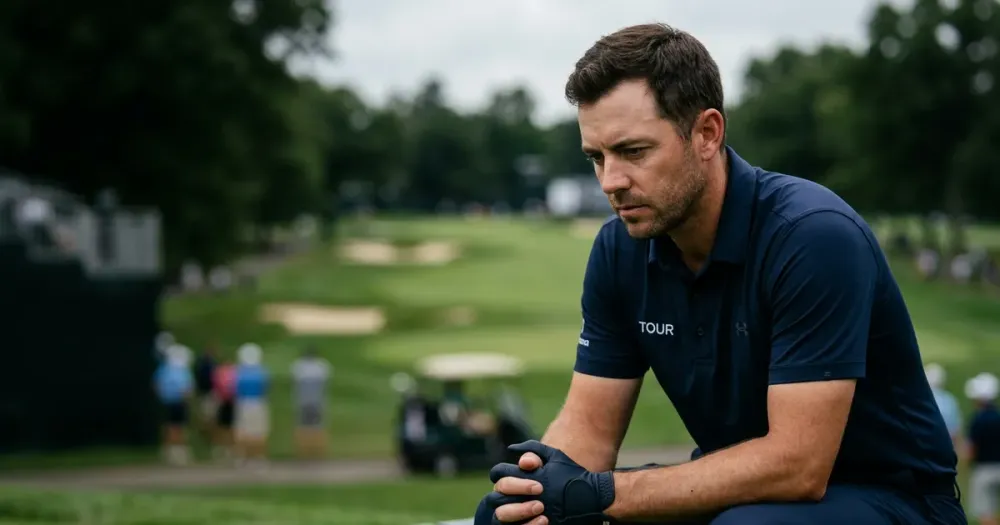
Kevin Kisner made headlines after his candid criticism of CBS’ Masters coverage, only to follow it up with a rare and sincere apology. His initial remarks, aired on Barstool Sports’ Fore Play podcast shortly after Rory McIlroy's Masters victory, took aim at what he called a confusing and delayed broadcast feed that detracted from the live golf experience. The stakes are high: in a sport where timing and live action are everything, broadcast quality shapes fan engagement and the sport’s presentation to millions.
Why does this matter right now? Kisner’s dual role as a PGA Tour analyst for NBC and a Masters broadcaster for Sirius XM gives his comments unusual weight. His apology not only underscores the complexity of live golf production but also exposes a rare moment of tension between broadcast partners in a tightly controlled sports media environment.
When Criticism Crossed a Line
On the Fore Play podcast, Kisner didn’t hold back. He described CBS’ Masters coverage as a "fantasy world," frustrated by footage that was often delayed by several minutes, making the broadcast feel out of sync with real-time action. He texted fellow analyst Colt Knost during the event, questioning whether CBS ever showed live shots. Kisner’s animated critique included a vivid analogy: comparing watching a delayed Super Bowl broadcast to the frustrating experience CBS viewers endured. His comments stood out as unusual; PGA Tour broadcast partners rarely publicly criticize one another.
Inside Broadcast Production: Why Delay Happens
What Kisner initially overlooked—and later acknowledged—was the complexity of producing a live golf broadcast, especially at a venue like Augusta National. Networks balance showing as many critical shots as possible with maintaining a coherent narrative flow. Sometimes, this requires showing shots on a delay to keep the story understandable, avoiding confusing jumps between players and holes. Kisner admitted he didn’t fully appreciate these challenges until working in the broadcast booth himself, a perspective that softened his stance.
Apology Made, Bridges Mended
Returning to the Fore Play podcast days later, Kisner issued a measured apology to the CBS golf team. He recognized that broadcast production is a demanding job with frequent mistakes on all sides. “I was too critical,” he said, emphasizing respect for CBS as a PGA Tour partner and their role in showcasing the sport. His apology reveals the delicate balance analysts must maintain between honest critique and professional diplomacy in a competitive media landscape.
What This Means for Golf Fans and Broadcast Coverage
For viewers, Kisner’s critique and apology highlight the growing pains in golf broadcasting as networks incorporate more technology, multiple feeds, and real-time stats. Golf fans crave live action and immediacy, but producers face the tough task of juggling coverage across multiple players and holes without sacrificing clarity. Kisner’s comments bring attention to how broadcast delays impact the fan experience and suggest that networks like CBS and NBC continually refine their approach to meet these demands.
Understanding how golf broadcasts work helps fans appreciate why not every shot is live and why sometimes delays happen for storytelling reasons. For example, showing a tap-in before a player reaches the next tee is avoided to preserve the “movie” of the round. This insight clarifies expectations for viewers who might otherwise feel disconnected from the action.
Broadcast Partners and the Future of Golf Coverage
Kisner’s unusual public criticism followed by an apology also sheds light on the behind-the-scenes dynamics between PGA Tour broadcast partners. It’s rare for talent affiliated with one network to openly criticize another. His comments could prompt networks to consider how to improve transparency about live versus delayed content, helping fans understand what they’re watching.
With golf rankings, player storylines, and technologies evolving, broadcast quality remains pivotal in maintaining fan interest and expanding the game’s reach. As the LPGA and other tours grow alongside the PGA Tour, delivering seamless, engaging broadcasts will be crucial for all stakeholders.
According to All The Golf, Kisner’s comments have sparked conversation about broadcast strategies and the expectations of modern golf audiences, highlighting broadcast production’s role in the sport’s presentation.
What to Watch Next
As the PGA Tour and its broadcast partners gear up for the next major events, all eyes will be on how networks address live coverage challenges raised by Kisner's critique. Fans should watch for any changes in the way live shots are presented or explained during broadcasts, especially at high-profile tournaments where viewer engagement is critical. For a broader view, explore our coverage of PGA Tour news and results.
Source: according to All The Golf
All facts and quotes are credited to their originating outlets. Learn more about our sourcing policy.