Fourteen years ago at Medinah Country Club, the 2012 Ryder Cup unfolded in dramatic fashion with what became known as the “Miracle at Medinah.” One vivid memory from that week found Olympic swimming legend Michael Phelps exchanging high-fives among the energized American crowd as their team surged late on day one. In the background, basketball icon Michael Jordan stood close by, emblematic of the star-studded atmosphere that transcended golf alone.
Fast forward to September 2026, and Medinah once again takes center stage as the venue for the Presidents Cup. But this isn’t just another tournament. It’s a symbolic crossroads for the PGA Tour, a moment where history, course architecture, and leadership converge to influence the sport’s future direction.
The Money Trail Is Not the Point. The Incentive Is
The 2012 Ryder Cup set a high bar for excitement and narrative at Medinah, with the Americans staging a stunning comeback in a venue that had long been a fortress for international golf. Now, the 2026 Presidents Cup brings back familiar faces from that era — Brandt Snedeker returns as the U.S. captain, flanked by vice captains Jim Furyk, Keegan Bradley, and Webb Simpson, all veterans of that memorable Ryder Cup week. Their presence signals continuity, a deliberate linking of past drama to present ambition.
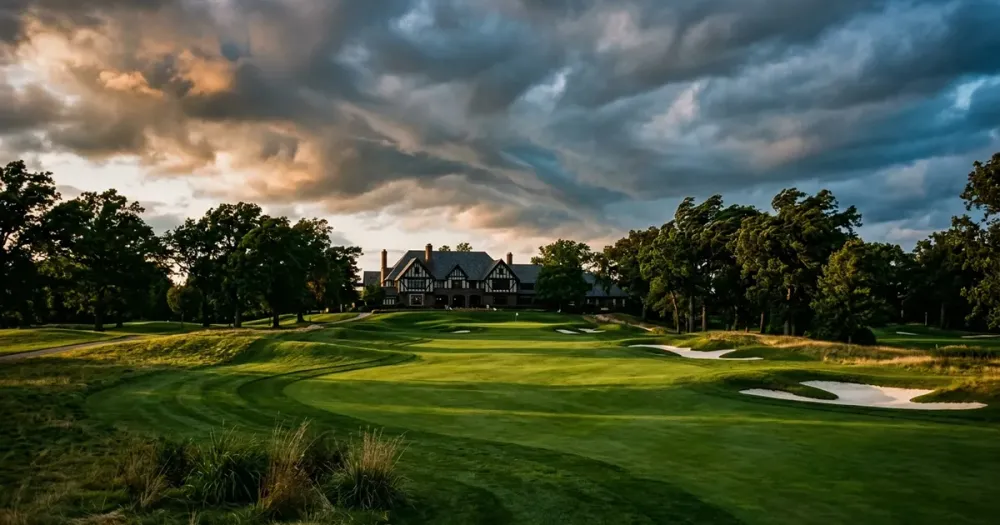
But the tournament has evolved beyond nostalgia. Medinah itself has undergone a major restoration designed to restore its original 1932 blueprint crafted by Tom Bendelow. This restoration isn’t cosmetic; it reshapes the strategic demands of the course with bold bunkering and more generous spacing, reviving its Golden Age character. The course’s updated design introduces fresh tactical challenges that will test the players’ precision and adaptability in match play.
Why This Rule Changes Who Gets Access
One subtle but telling change on the course involves the introduction of a 5-foot-wide collar of intermediate rough framing the fairways, with the rough height raised to 4 inches. This adjustment, reportedly suggested by Snedeker himself, is a strategic nod to driving accuracy. It implicitly bets on the U.S. team’s ability to control tee shots better than their International rivals, raising the stakes on precision off the tee and punishing errant drives more severely. The course isn’t just a backdrop; it’s an active player in the unfolding competition.
The Detail Most Fans Will Miss
Beyond the headline restoration, Medinah’s use of split rail fencing along holes 5 through 7 to mark out-of-bounds introduces strategic tension that’s easy to overlook but crucial in match play dynamics. The par-5 600-plus-yard holes and the presence of Lake Kadijah near the 12th tee add layers of risk-reward calculations that can swing momentum. These architectural nuances, combined with unpredictable September winds and recent rains muddying conditions, promise a week where both skill and course management will be tested.
Interestingly, International team captain Geoff Ogilvy is among the designers involved in the restoration. While his influence on the course setup is likely limited, it adds an intriguing subplot of insider familiarity that could subtly affect how the International players approach their game at Medinah.
2026 Presidents Cup Medinah PGA Tour: A Legacy in Motion
The 2026 Presidents Cup is more than an event; it is a reaffirmation of the PGA Tour’s heritage and an assertion of its evolving identity amid shifting global golf landscapes. The presence of players like Jackson Koivun, who was just a child during the 2012 Ryder Cup here but has since emerged as a rising star, symbolizes the passing of the torch. Meanwhile, seasoned veterans like Adam Scott, making his 12th appearance, represent the enduring connection between past and present.
Match play strategies will be under the microscope as players navigate the restored layout. Snedeker’s emphasis on driving accuracy suggests that U.S. players may prioritize control over power, a tactical approach shaped by the course’s renewed challenge. This dynamic sets the stage for a compelling competition where leadership, course architecture, and player form intersect.
The Broader Implications for Players and Fans
For fans, the restored Medinah offers a fresh viewing experience, with strategic elements that reward nuanced play. The course’s original design ethos—bold bunkering and spacious fairways—combined with modern restoration techniques, creates a compelling visual and competitive framework. For players, the changes demand adaptability, precision, and strategic thinking, especially under the pressure-cooker format of the Presidents Cup.
Moreover, by bringing back key figures from the 2012 Ryder Cup leadership, the U.S. team underscores a commitment to tradition while navigating contemporary challenges. This blend of continuity and evolution is central to the PGA Tour’s narrative as it seeks to maintain relevance and excitement in a crowded sports market.
What to Watch Next
As the Presidents Cup unfolds from September 24 to 27, all eyes will be on how these elements play out on the course and in the clubhouse. The restored Medinah will test whether the Americans’ strategic emphasis on accuracy holds true and how international players adapt to the renewed layout. The leadership of Snedeker and his vice captains, veterans of Medinah’s dramatic past, will also be under scrutiny for how they marshal their teams in this pivotal event.
In the weeks ahead, player performances and strategic decisions will offer clues about the future trajectory of the PGA Tour amid ongoing shifts in global golf. The 2026 Presidents Cup at Medinah is not just about who wins or loses; it’s about how the sport honors its legacy while charting a course forward.
As reported by All The Golf, this event stands as one of the most significant moments on the 2026 golf calendar, blending history, architecture, and leadership into a high-stakes narrative that transcends the fairways and greens.
How this works for fans: The restoration at Medinah means players will face tougher decisions on tee shots and approaches, making accuracy more critical than ever. The leadership continuity from 2012 adds narrative depth, revealing how experience informs strategy in high-pressure team events. For casual fans, understanding these aspects enhances appreciation of the unfolding drama, whether watching on TV or following updates. For a broader view, explore our coverage of PGA Tour news and results.
Source: as reported by All The Golf
All facts and quotes are credited to their originating outlets. Learn more about our sourcing policy.