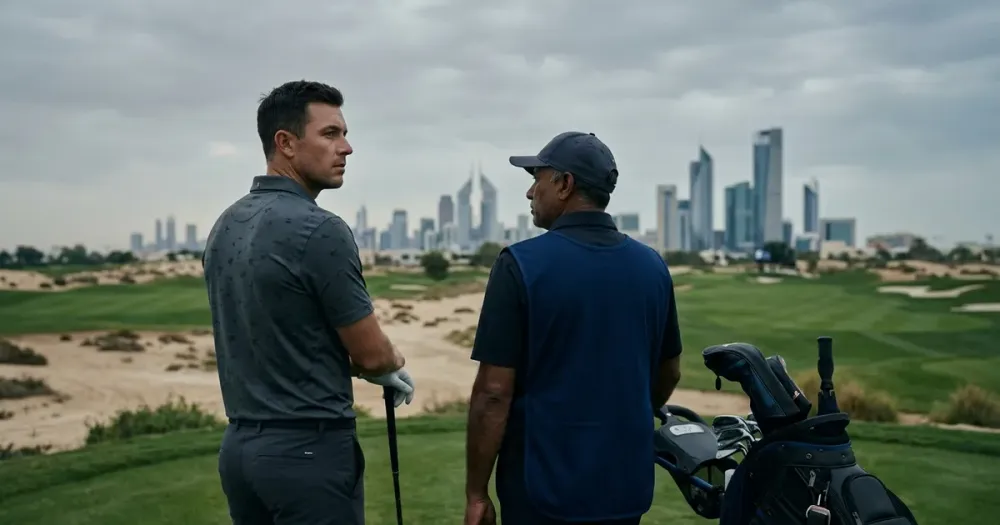
On a crisp morning in late October, a top professional golfer stood silent at the tee in Dubai, his mind not just on the shot ahead but on the uncertain flight home. Just weeks earlier, the region had been rattled by attacks on critical infrastructure, grounding flights and stranding players far from home. For Tommy Fleetwood, who calls Dubai home, it meant a month without seeing his family. This scene isn’t isolated—it captures the very real human and logistical toll that escalating Middle East tensions are imposing on the pro golf world as 2026 unfolds.
The Middle East Impact on Pro Golf 2026: More Than Just Postponements
As the global golf calendar returns to the Middle East each fall, the shadow of geopolitical unrest looms large. The Saudi International—a key Asian Tour event and a staple for many LIV Golf players—was recently postponed from its November slot due to "organizational and logistical challenges" following a recent attack on Riyadh’s international airport. This disruption is more than a schedule hiccup; it signals the fragility of staging events amid regional instability.
Just a year ago, the DP World Tour wrapped up a series of tournaments across the Arabian Gulf, with players departing as tensions escalated dramatically after Iran’s strike on February 28. The UAE, especially Dubai, became a flashpoint, grounding flights and complicating travel plans. Players like Fleetwood, caught in the crossfire of these disruptions, found their routines and preparations upended.
Logistical Headaches Ripple Through Player Preparations
Professional golf thrives on precision—timing, travel, and mental focus are non-negotiable. Yet, as the situation in the Middle East remains volatile, organizers and players grapple with uncertainty. DP World Tour CEO Guy Kinnings acknowledged the widespread questions around event safety and logistics but reaffirmed the tour’s commitment to hosting playoffs in Abu Dhabi and Dubai. "We clearly need to keep in touch with travel advisors and other people who help us," he said, emphasizing cautious optimism amid a fluid security environment.
Still, the reality is that players must now weigh not only course conditions and competition but also the risks and complications of traveling through a region where airports can close unexpectedly and flights can be canceled without warning. This adds a layer of complexity to an already demanding professional schedule.
Financial and Structural Shifts Linked to Regional Conflict
The conflict’s ripple effects extend beyond travel woes. Not long after the initial strikes in early 2026, Saudi Arabia’s Public Investment Fund (PIF) abruptly pulled back its funding from LIV Golf, the controversial breakaway league it had backed heavily. This financial withdrawal triggered a cascade of changes, including bankruptcy filings aiming to sever contracts with players like Jon Rahm and disentangle Saudi commitments. Rahm’s first post-LIV start is set in Abu Dhabi, a poignant echo of how tightly Middle East dynamics intertwine with individual careers and tour trajectories.
Why the Middle East Remains Central Despite the Risks
Despite these challenges, the Middle East remains an essential hub for professional golf. The region’s investment in world-class golf courses, like those at Jumeirah Golf Estates and Yas Links, and its strategic positioning on the global calendar make it indispensable. The DP World Tour’s determination to proceed with events in the UAE reflects this importance, even as organizers and players navigate a delicate balance between opportunity and safety.
Players’ concerns are valid, but the allure of the Middle East’s lucrative purses, modern facilities, and international spotlight keeps it firmly on the map. The tension between risk and reward, safety and prestige, is at the heart of the ongoing dialogue shaping pro golf’s future in the region.
What This Means for Fans and Players Moving Forward
The Middle East impact on pro golf 2026 is a cautionary tale of how global events can reshape sports calendars and athlete lives. For players, it means added vigilance and flexibility; for fans, a reminder that the game’s global reach is subject to real-world turbulence. As the season progresses, all eyes will be on Abu Dhabi and Dubai, where upcoming tournaments will test how well the sport can adapt to an unpredictable geopolitical landscape.
The next critical moment arrives in just three weeks with the DP World Tour playoffs in the UAE. How smoothly these events proceed will signal whether the Middle East can maintain its pivotal role in professional golf or if further disruptions lie ahead. For a broader view, explore our coverage of PGA Tour news and results.
Source: as reported by All The Golf
All facts and quotes are credited to their originating outlets. Learn more about our sourcing policy.