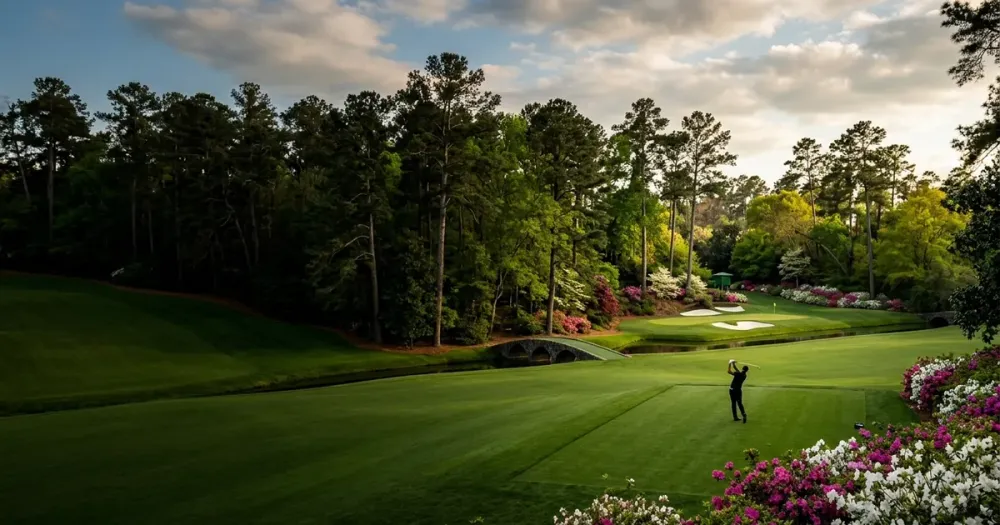
At the 2026 Masters, Patrick Reed isn’t just competing for a green jacket — he’s embodying the middle ground of a golf world still grappling with fractures. Reed, caught between his past on LIV Golf and his future on the PGA Tour, fired an opening-round 69 that put him just two shots off the lead, reminding everyone why he remains a force in the game. This performance carries weight far beyond the leaderboard. It raises questions about player identity, tour control, and what access really means in professional golf today.
Patrick Reed’s Journey Through Golf’s Divided Tours
Reed’s current status is unique: he’s the only player actively transitioning between the LIV Golf circuit and the PGA Tour. Having spent recent months contesting select international tournaments outside the mainstream tour schedule, his presence at Augusta National in 2026 is symbolic. Winning here would not only secure him a coveted Masters title but also cement his standing across all professional golf’s fractured factions.
His resurgence began early in the year with dominant performances in the Middle East, where he won twice and narrowly lost in a playoff. Reed then tested himself in South Africa, including events hosted by LIV Golf, before zeroing in on Augusta just as many top contenders looked elsewhere due to injuries or breaks. This strategic focus is paying off, as evidenced by his two eagle putts on the front nine Thursday and his steady defense through trouble spots on the back nine.
Why Reed’s 2026 Masters Performance Matters Now
The stakes extend beyond prize money or ranking points. Reed’s success here challenges the notion that tours dictate player destiny. His career trajectory underscores that individual talent and determination are the real engines of professional golf’s ecosystem. As one of the key figures who helped legitimize LIV Golf’s early days, Reed’s presence highlights the ongoing tug-of-war over golf’s future.
His stated desire to return to “the traditional way of golf” — 72 holes of stroke play, a cut, and leaders teeing off last — reflects both a personal mission and a broader commentary on the sport’s evolving format debates. At Augusta, where course conditions are notoriously fast and demanding, Reed’s ability to navigate “crusty” greens and tight lies speaks to his adaptability and grit.
Lessons from Reed’s Approach at Augusta National
Reed’s first round included high-pressure moments that tested his shot-making and short game. A misdirected tee shot on 17 landed him in a tricky spot, forcing an aggressive 8-iron over trees to a back pin, followed by a delicate 7-foot putt on a fast green — all executed under intense pressure. His composed up-and-down from a bunker on 18, sinking a 10-foot par putt, demonstrated the kind of clutch skill that separates contenders.
What this means for players and fans is clear: success at major championships demands more than power or swing mechanics; it requires mastery of course management and mental resilience. Reed’s performance offers a teaching moment for golfers looking to sharpen their competitive edge — especially on complex courses where precision outweighs brute force.
Looking Ahead: What Reed’s Run Signals for Golf’s Future
With Reed firmly in the mix alongside established stars like Rory McIlroy, Sam Burns, and Scottie Scheffler, the leaderboard at Augusta is a microcosm of golf’s shifting alliances and rivalries. His performance reignites conversations about access to tournaments, player freedom, and the influence of emerging tours like LIV Golf on traditional circuits.
Reed’s trajectory also suggests that the path back to the top can be nonlinear. His ability to perform under pressure, despite the distractions of tour politics and personal transitions, adds a compelling narrative layer to this Masters. For golf fans and analysts tracking rankings and player dynamics, Reed’s run is a reminder that the sport’s evolving landscape remains deeply personal for the players themselves.
As reported by Golf.com, Reed’s 2026 Masters performance is more than a scorecard; it’s a statement about golf’s fractured present and potential reunification through competition.
What to Watch Next
Keep an eye on Reed’s weekend rounds at Augusta National. Can he sustain his momentum against a field loaded with familiar rivals and emerging threats? His ability to navigate the fast, “crusty” greens and maintain composure under pressure will be pivotal. Beyond the leaderboard, Reed’s performance will influence how tours negotiate player access and the future shape of professional golf. For a broader view, explore our coverage of PGA Tour news and results.
Source: as reported by Golf.com
All facts and quotes are credited to their originating outlets. Learn more about our sourcing policy.