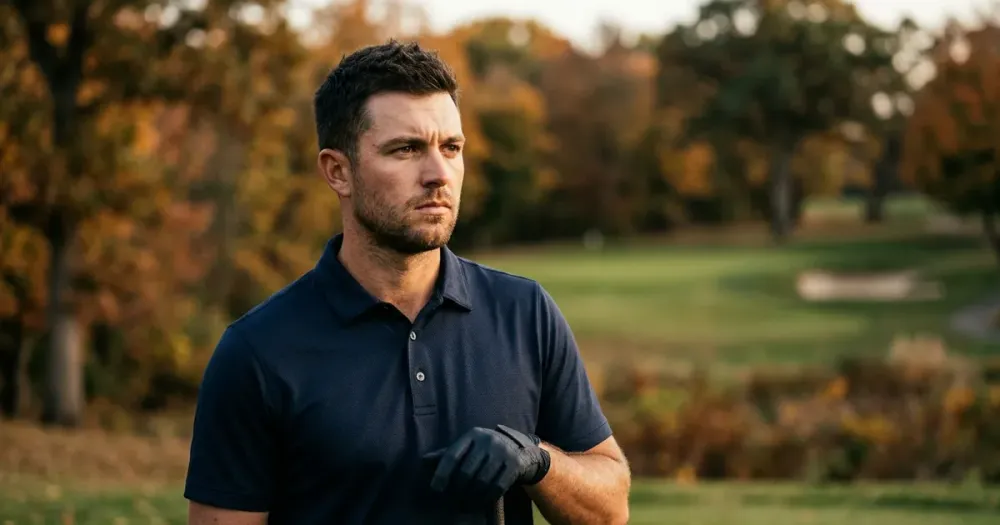
A mid-tier PGA Tour player steps onto the first tee at Bermuda’s Port Royal Golf Course, a place where 6,828 yards of tight fairways, out-of-bounds stakes, and relentless wind make every shot a test of nerves and precision. The player knows this isn’t just another tournament — it’s part of the PGA Tour’s fall “silly season.” While the top stars often skip or coast through these late-season events, for someone fighting to climb the FedEx Cup ranks or simply secure their tour card for the next year, these rounds carry weight that feels anything but silly.
The Money Trail Is Not the Point. The Incentive Is
Port Royal, with its punishing wind and strategic hazards, may look like a torture chamber, but it creates a pressure cooker where resilience trumps length. According to All The Golf, this course typifies the fall stretch: a low-stakes battleground where middle-ranking pros jockey for position while big names focus on rest or bigger events. The prize money and FedEx Cup points on offer aren’t game-changers for the elite, but for those hovering around the cut line, every shot matters.
These tournaments may seem like meaningless filler to casual observers, but for players ranked outside the top 50 or 60, the fall season determines status, playing rights, and access to next year’s schedule. It’s a scramble to stay relevant and keep the professional dream alive.
Why This Rule Changes Who Gets Access
Unlike the majors or the early-season events, fall tournaments don’t guarantee the biggest names or the most media spotlight. Instead, they offer a proving ground for those who need to improve their FedEx Cup ranking. The FedEx Cup format rewards consistent performance throughout the year, but the fall stretch becomes a last chance for middle-rank players to secure their cards and qualify for the Tour Championship or other bonuses.
This means the pressure is different but intense. Players can’t rely on sheer power alone at Port Royal, where wind and hazards punish miscalculations. Instead, success demands patience, strategy, and mental toughness — qualities that often separate journeymen from breakthrough stars.
Fall Golf’s Lessons for Weekend and Amateur Players
The fall ‘silly season’ mindset isn’t exclusive to pros. As daylight shrinks and handicaps lock for the year, amateur golfers face a similar crossroads. Instead of obsessing over scores, many shift toward experimentation and enjoyment. Take the innovative “Honey Bee” event at Erin Hills. It mixed tee boxes — switching between forward “sweet” tees and challenging black tips — forcing players to adapt their strategy hole-by-hole. This approach discourages score obsession and encourages focus on shot-making and short-game skills.
Such formats refresh the late-season golf experience, offering a balance between challenge and fun. They echo the professional fall season’s emphasis on mental resilience over raw distance, showing how golf’s “silly season” can be a fertile ground for growth at all levels.
The Detail Most Fans Will Miss
Beyond the leaderboard and final scores, the fall season is a critical stage for maintaining competitive rhythm before the offseason. It’s a time when players sharpen their mental game, test new strategies, and build confidence. The Big Cup Scramble at Lawsonia, for example, features oversized cups placed in brutal locations, transforming straightforward putts into grueling challenges. This kind of pressure cooker mimics the professional grind, emphasizing teamwork and perseverance over pure scoring.
The ‘silly season’ is far from meaningless. It’s a crucible where middle-rank pros fight for survival, amateurs experiment with strategy, and everyone learns to embrace golf’s unpredictable nature as the calendar winds down.
PGA Tour Fall Silly Season Importance: More Than Just a Warm-Up
Understanding the PGA Tour fall silly season importance means recognizing that these events are more than filler on the calendar. They shape who makes it to the next year’s big stages. They test players’ adaptability on courses like Port Royal, which demand precision under pressure. And for amateurs, they offer a chance to recalibrate goals and enjoy the game without the tyranny of scorecards.
For the pros on the bubble, every shot at these fall events echoes loudly in their careers. For fans and weekend players, embracing this season’s quirks can deepen appreciation for golf’s mental and strategic layers.
As the PGA Tour moves through this late stretch, the next FedEx Cup rankings update looms large. Players who can harness the unique challenges of the fall schedule will emerge with momentum, while others may find themselves reassessing their status come season’s end. The fall silly season is anything but silly for those who know what’s on the line. For a broader view, explore our coverage of PGA Tour news and results.
Source: according to All The Golf
All facts and quotes are credited to their originating outlets. Learn more about our sourcing policy.