When Brandt Snedeker, captain of the U.S. team at the 2026 Presidents Cup, makes his lineup decisions, every choice ripples across the course like a calculated chess move. The Presidents Cup’s structure forces captains and players to navigate far more than just shots—it demands sharp strategic thinking around player pairings, format shifts, and timing. This biennial event pits 12 Americans against 12 International players (excluding Europe), creating a unique rivalry that plays out in match play over four intense days. The format isn’t just a backdrop; it shapes momentum, pressure, and ultimately, who holds the cup.
Distinct Global Rivalry Beyond the Ryder Cup
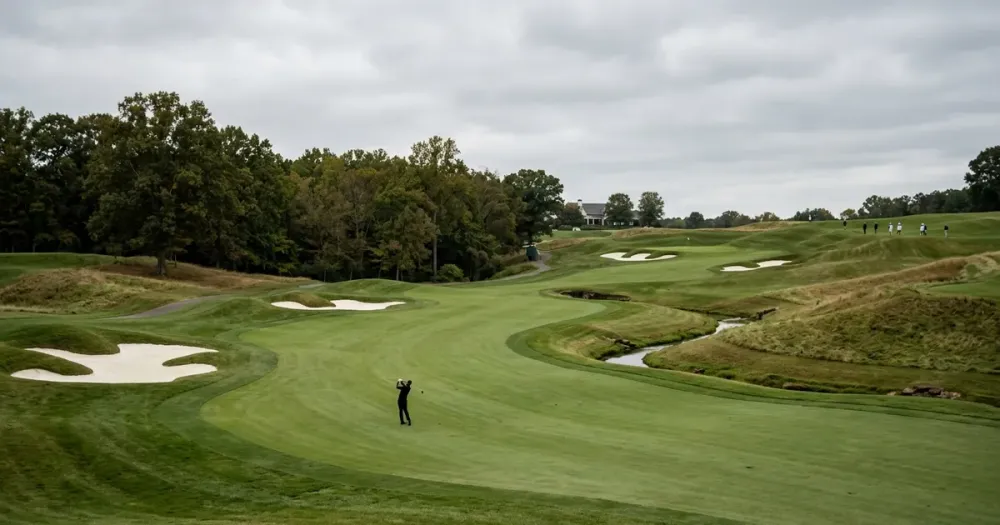
The Presidents Cup stands apart from golf’s more famous Ryder Cup by excluding European players, instead assembling an International team from the rest of the world. This creates a fresh global contest that highlights different styles and strategies. Hosting duties alternate between U.S. courses and venues abroad, such as the 2026 event at Medinah Country Club in Illinois, which affects how teams prepare. Course conditions and setup tailored to each location inject another layer of complexity into captain decisions and player performance.
Match Play’s Strategic Complexity
Unlike typical stroke play tournaments, where the total number of strokes determines the winner, the Presidents Cup is decided through match play. This head-to-head format breaks the competition down hole-by-hole, meaning a player or team only needs to outperform their opponent on more holes than not. Every hole is a mini-battle, encouraging bold plays or conservative tactics depending on the situation. The event’s 30 matches are split over four days, rotating between foursomes (alternate shot) and four-ball (best ball) formats before culminating in singles matches.
Foursomes and Four-Ball: The Tactical Duo
The two team formats require distinct approaches. Foursomes demand seamless teamwork because partners alternate shots with a single ball, making communication and complementary skill sets vital. Four-ball allows each player to play their own ball, with the best score on each hole counting for the team, offering more individual freedom but still requiring strategic pairing to maximize strengths. Captains must weigh which players excel in which format and how their styles mesh under pressure.
Minimum Participation Rules Elevate Strategy
Every player is mandated to participate in at least one team match before the singles on the final day. This rule forces captains to balance resting top players with ensuring the team’s point potential remains high. It also puts pressure on players to adapt quickly to different formats and teammates. The alternating captain lineup process, where decisions are made one match at a time in a snake format, adds urgency and psychological warfare to every session.
Playing for Pride, Not Pay
The Presidents Cup offers no prize money, underscoring a spirit of competition rooted in pride and charity rather than financial gain. Players each dedicate their share of generated funds to charitable causes, reflecting the event’s emphasis on sportsmanship and goodwill. This dynamic changes the stakes subtly; players compete for legacy and national honor, which can heighten intensity and camaraderie but also add emotional weight.
Why Presidents Cup Golf Format Strategy Matters
The Presidents Cup’s format transforms the event from a simple test of individual skill into a multifaceted team chess match. Captains and players must constantly adjust tactics based on opponents, course conditions, and the evolving scoreboard. This strategic depth enriches the viewing experience and challenges participants beyond traditional tournament play.
All The Golf highlights how these elements combine to make the Presidents Cup a compelling showcase of teamwork and tactical acumen, not just raw talent.
What to Watch Next
As the 2026 Presidents Cup unfolds at Medinah, all eyes will be on how Snedeker and International captain Geoff Ogilvy adapt their strategies day-to-day. The minimum-match participation rule will test player endurance and captain foresight, especially in pairing choices for foursomes and four-ball sessions. The final singles matches will crystallize which team’s strategic gambits paid off. This evolving tactical battle promises to shape not only the outcome but also future approaches to team golf events worldwide.
Understanding the Presidents Cup golf format strategy offers fans a richer perspective on why each pairing and format choice carries outsized consequences in this elite showcase. For a broader view, explore our coverage of PGA Tour news and results.
Source: as reported by All The Golf
All facts and quotes are credited to their originating outlets. Learn more about our sourcing policy.