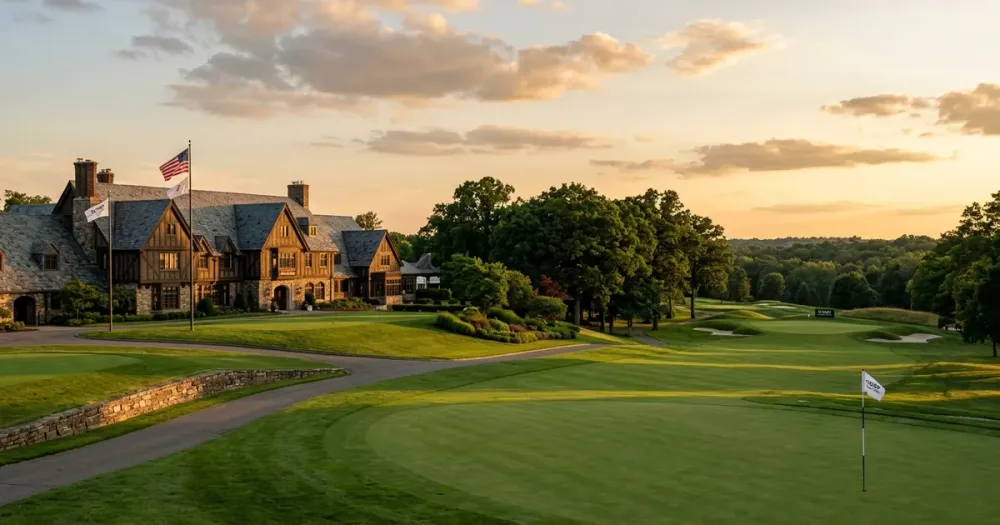
As Detroit’s golf community prepares for the 2026 Rocket Classic, there’s an unmistakable sense of finality. The tournament, which has brought the PGA Tour’s world-class competition to the Motor City for eight years, will conclude after this summer’s event. For local fans and organizers, the loss marks more than just the end of a tournament; it signals Detroit’s fading place on the PGA Tour map and the start of a broader shakeup in professional golf’s calendar.
Mark Hollis, tournament director, confirmed that 2026 will be the final Rocket Classic, a decision tied directly to Rocket Mortgage’s choice not to renew sponsorship. The event leaves behind a legacy of memorable moments and more than $10 million raised for Detroit-area organizations. Yet, its departure highlights challenges facing mid-tier tournaments amid a sweeping reorganization of the PGA Tour schedule.
Detroit’s PGA Tour Departure: More Than a Local Loss
Detroit’s hosting of the Rocket Classic was a boon not only for golf fans but also for the local economy and community programs. The tournament created a summer highlight, drawing spectators and sponsors alike. With its end, Detroit loses a key sporting event that connected national golf to a passionate regional audience.
Local stakeholders now face the reality that the city’s profile within the PGA Tour’s ecosystem is diminishing. The tournament’s weaker fields in recent years, partly due to timing conflicts with the Open Championship and the FedEx Cup Playoffs, contributed to declining star power and fan interest. But the root cause extends beyond scheduling: it reflects a Tour-wide prioritization shift away from smaller events toward a condensed set of premier tournaments.
How the PGA Tour’s Two-Track Schedule Reshapes the Landscape
The Rocket Classic’s exit is the first tangible casualty of the PGA Tour’s upcoming overhaul, led by CEO Brian Rolapp. His vision of a "two track" schedule aims to streamline the Tour’s sprawling calendar, focusing financial and promotional resources on a core group of elite events with larger purses and stronger fields.
This restructuring seeks to create a clearer, season-long narrative—something the current model struggles to deliver given its year-round spread and fluctuating player commitments. By emphasizing marquee tournaments, the Tour hopes to boost fan engagement and sponsor returns, but this comes at a cost: smaller regional tournaments risk losing viability without top players or sufficient funding.
Why Rocket Classic’s Demise Signals Broader Financial and Strategic Pressures
Rocket Mortgage’s decision not to continue sponsorship underscores the financial challenges mid-tier events face in the evolving Tour environment. As the Tour reallocates support to bigger events, tournaments like the Rocket Classic become harder to sustain. This shift threatens the diversity of PGA Tour stops and could narrow opportunities for emerging players to compete in varied settings.
More broadly, it raises questions about the future of similar tournaments that have historically formed the bedrock of the Tour’s geographic and fan-base diversity. Without intervention or new models of sponsorship, such events may increasingly fall by the wayside.
What the Rocket Classic’s End Means for Fans and the 2026 PGA Tour Schedule
The 2026 Rocket Classic will close a chapter in Detroit’s golf history, but it also serves as a bellwether for what’s ahead. Fans should anticipate a PGA Tour schedule more concentrated around high-profile tournaments, potentially reshaping when and where they can watch top players compete.
As reported by All The Golf, Brian Rolapp is expected to provide further updates on the two-track system soon, clarifying which events make the cut and how the Tour balances elite competition with broader access. Detroit’s loss is a cautionary tale about the cost of this strategy and a reminder of the changing dynamics in professional golf.
Looking Ahead: The Next Test for PGA Tour’s New Era
The immediate pressure point will be the upcoming 2026 tournament season, where the Tour’s restructured calendar begins to take shape. Observers will be watching closely to see how player participation, sponsor interest, and fan engagement respond to this new format. For mid-tier events and cities like Detroit, the challenge will be proving their value or adapting to a landscape that increasingly favors marquee status.
How the Tour navigates this transition will influence golf’s growth trajectory, competitive balance, and fan loyalty for years to come.
What this means: The Rocket Classic’s end is not just about one city losing a tournament—it marks a strategic pivot in the PGA Tour’s approach to scheduling and event prioritization. Why it matters: This shift will reshape access and opportunity across the Tour, affecting players, fans, and sponsors alike. How it works: The two-track schedule funnels resources toward bigger events, leaving smaller ones to either evolve or disappear. For a broader view, explore our coverage of PGA Tour news and results.
Source: as reported by All The Golf
All facts and quotes are credited to their originating outlets. Learn more about our sourcing policy.