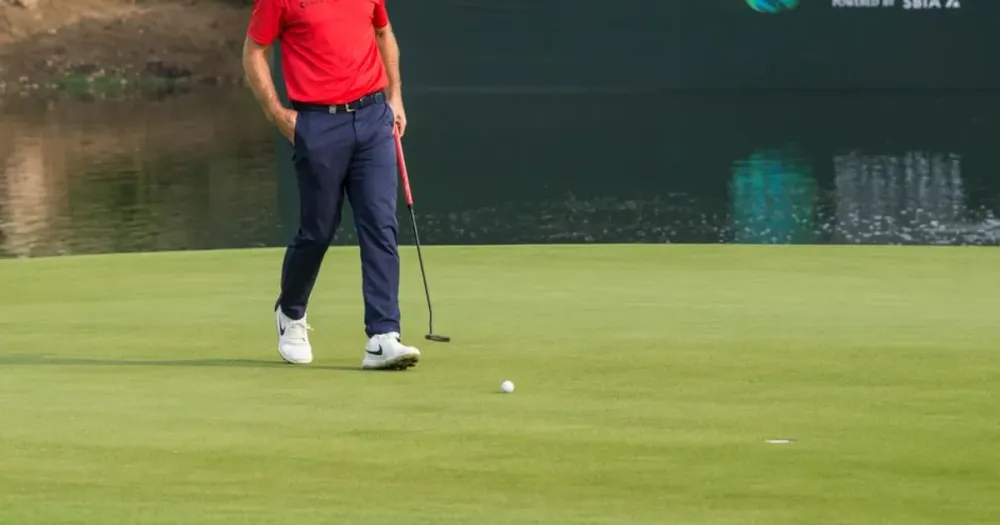
On the eve of the Abu Dhabi Championship, a tension lingered in the air—not from the usual pre-tournament nerves but from the shadow of escalating regional conflicts. The Middle East, shaken by recent deadly attacks and ongoing instability, has unsettled many athletes and event organizers. Yet amid this charged backdrop, Rory McIlroy stood calmly, weighing more than just his golf shots. His decision to compete in Abu Dhabi this week is a study in calculated risk and ambition.
The Northern Irishman, ranked No. 2 globally, has openly dismissed fears about his safety in the United Arab Emirates despite the turmoil nearby. “I don’t think I would ever feel unsafe,” McIlroy said shortly before the tournament’s start. “Even if something were to happen, like I still wouldn’t feel unsafe.” His reasoning goes beyond bravado—he points to the UAE’s strong defense systems and the careful monitoring by the DP World Tour, which has maintained its schedule despite security concerns.
McIlroy’s stance contrasts with a broader unease rippling through the sports world. Several events in the region have been postponed or relocated, including the Asian Tour’s PIF Saudi International and the WTA Finals moving from Saudi Arabia to California. Some top players, like Matt Fitzpatrick, have voiced reservations about holding key tournaments in the Middle East, citing safety and logistical challenges. Fitzpatrick, notably absent from Abu Dhabi this week, called the choice to keep Dubai as the European season finale a “no-brainer” to reconsider, though he acknowledged not being a sponsor or decision-maker.
Why Rory McIlroy Abu Dhabi Championship 2026 Is More Than a Tournament
The stakes for McIlroy go beyond navigating geopolitical risks. He is chasing a record-tying eighth Race to Dubai title, a feat only Colin Montgomerie has achieved. Currently third in the standings behind Eugenio Chacarra and Patrick Reed, McIlroy sees Abu Dhabi as a critical battleground to close a points gap. The winner here earns 1,500 points, a sizable haul that could shift the leaderboard dramatically ahead of the World Tour Championship in Dubai next week, which awards 2,000 points to the champion.
For McIlroy, the decision to play is part of a strategic push to cap a year on a high note. He has stayed in close contact with tour officials about security, choosing to trust their assessment. “If everyone deems that it’s safe to be here, then who am I to say otherwise?” he said. This pragmatic mindset underscores how professional golf intersects with global events in ways fans rarely see.
The Broader Impact of Regional Instability on Golf and Sports
The Middle East’s unrest has already reshaped sports calendars and forced players to reconsider travel plans. Airspace closures have caused logistical headaches, as seen earlier this year when players were stranded due to sudden restrictions. The possibility of being stuck abroad is a real concern, yet for McIlroy, these issues are secondary to the competitive opportunity.
Other sports have felt the strain too. The MotoGP Qatar Grand Prix will run without the Japanese Yamaha team, citing safety concerns, while Formula 1 has canceled the Saudi Grand Prix and relocated the Bahrain race. The ripple effects illustrate how geopolitical tensions can reach deeply into the fabric of international sports, prompting a delicate balancing act between caution and commitment.
Contrasting Views Within the Tour
While McIlroy embraces the challenge, not all players share his view. Matt Fitzpatrick and others have opted out of Abu Dhabi, reflecting a divide within the tour on how to handle the situation. Fitzpatrick’s absence is notable given his high ranking and assured spot in the upcoming World Tour Championship. His call for a venue change highlights ongoing debates over player safety versus commercial and logistical realities.
McIlroy also acknowledged the complexity of the field, which includes former LIV players like Chacarra and Reed, both fighting to regain PGA Tour status. “I have a lot of respect for them with the way that they have done it,” McIlroy said, hinting at the layered narratives playing out against the backdrop of regional uncertainty.
What This Means for Fans and the Race Ahead
For golf fans, McIlroy’s choice to compete in Abu Dhabi amid Middle East tensions is a reminder that the sport operates within a broader, often unpredictable world. It shows how players balance personal ambition, safety considerations, and professional responsibilities. The outcome of this week’s championship will reverberate into the season’s climax, shaping who lifts the coveted Race to Dubai crown.
As the tournament unfolds, all eyes will be on the Northern Irishman and his rivals in the tightly packed leaderboard. The next two weeks in the UAE will test not just skill but resilience under pressure—both on the course and off it. For a broader view, explore our coverage of PGA Tour news and results.
Source: as reported by All The Golf
All facts and quotes are credited to their originating outlets. Learn more about our sourcing policy.