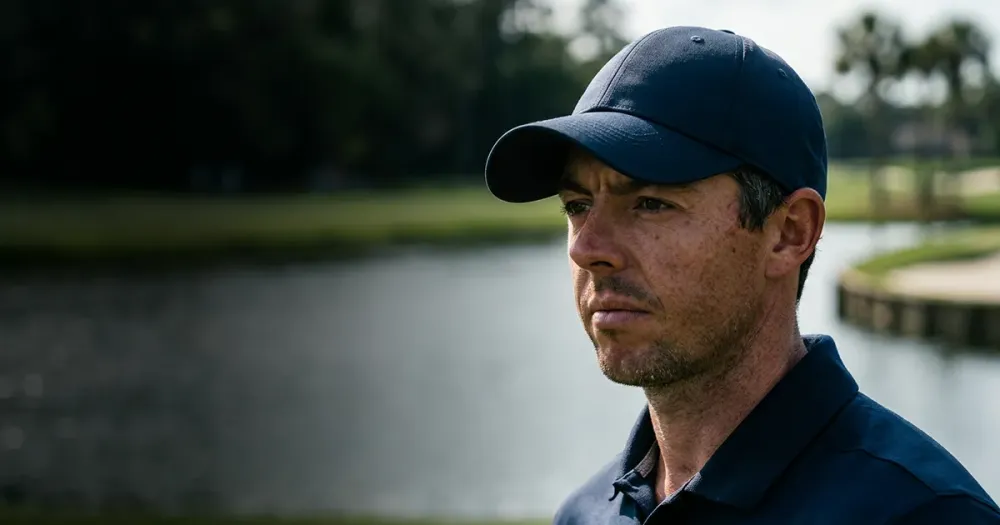
Rory McIlroy’s opening round at the 2026 Players Championship wasn’t his sharpest, and it wasn’t just rust. The four-time major champion was clearly battling a stubborn back injury that had sidelined him from the Arnold Palmer Invitational just days earlier. But instead of sympathy, McIlroy found himself fielding a stubborn theory swirling online: his back troubles, along with those of several other PGA Tour stars, were being blamed on their involvement in TGL, the indoor golf simulator league he helped launch alongside Tiger Woods. McIlroy was quick to shut down that idea as “preposterous.”
The Social Media Backlash: TGL Under Scrutiny for PGA Tour Back Injuries
It all kicked off with Collin Morikawa’s sudden withdrawal from the Players Championship after tweaking his back early in the first round. That incident, coupled with McIlroy’s own injury, ignited a wildfire of speculation across social media and golf forums. Commentators and fans started piecing together a pattern: a cluster of top players involved in TGL—like Sahith Theegala, Billy Horschel, and Justin Thomas—were all suffering back or neck injuries recently. The suggestion was clear. The extra layer of competitive golf inside a simulator setting, with its instant ball speed readings and intense pressure to perform, was supposedly pushing players beyond their physical limits.
But McIlroy, speaking to The Palm Beach Post, dismissed this neatly packaged theory. The numbers, he said, simply didn’t add up. “My ball speed on Tour is way faster than it is in TGL,” he explained. That’s a critical point, because if the simulator environment was causing injury by encouraging players to swing harder, you’d expect the opposite: lower ball speeds indoors. The physical reality of Tour conditions—long rounds, travel, and full-course play—remains much more demanding.
McIlroy’s Performance at TPC Sawgrass: Battling Pain and Expectations
McIlroy’s decision to play through his back issues at the Players Championship added another layer of tension. Arriving late at TPC Sawgrass due to his lingering injury, he opened with a 74, a score well below his usual standard. Yet he showed resilience, posting a 71 the next day to just make the cut. That kind of grit speaks volumes about the physical toll players endure at this level, far beyond what any indoor league might impose.
His withdrawal from the Arnold Palmer Invitational the week prior had already raised eyebrows. The injury forced him out just before the third round, underscoring how fragile even the best athletes can be. The debate over the cause, however, remains unsettled. Back injuries in golf are nothing new. Legends like Lee Trevino, Lanny Wadkins, and Woods himself have long battled similar issues. The modern swing’s emphasis on power and speed only elevates the risk.
Billy Horschel and Others Push Back Against the Injury Narrative
Billy Horschel, another TGL participant who’s had his share of back trouble, also weighed in on the controversy. Addressing the speculation on X, formerly Twitter, he shot down the idea that TGL was a culprit in the recent injury spike. He pointed out that the league’s schedule, with its five matches and playoff format running alongside the regular Tour calendar, is designed to fit within players’ routines rather than overwhelm them. The physical demands of hitting into simulators, while different, are not necessarily harsher than full course play.
TGL operates out of the SoFi Center in Palm Beach Gardens, Florida, hosting six teams of four players each. The league’s format emphasizes fast-paced, team-based competition designed to engage fans and players alike. McIlroy’s Boston Common Golf Club team was preparing for the playoffs starting March 17, just days after the Players Championship. The league has drawn interest for its innovation but has also invited scrutiny, especially from those skeptical of its impact on players’ health.
Why the Injury Debate Matters for Golf Rankings and the Tour’s Future
What this means for the broader golf landscape is significant. Professional golf rankings and tournament outcomes hinge on players’ health and availability. If the PGA Tour’s stars are sidelined more frequently because of added commitments or training methods, it could shift competitive balance and fan engagement. Yet, pinning the blame on TGL without solid evidence risks oversimplifying a complex issue.
Injuries in golf come from a mix of factors: repetitive motion, travel fatigue, course conditions, and personal fitness. The modern game pushes athletes harder than ever, with advanced golf equipment and relentless schedules. The debate over TGL’s role highlights wider questions about how players manage their bodies amid evolving formats and technologies.
The Quiet Detail That Changes the Whole Story on Golf Scores and Injuries
One subtle point often missed in these discussions is the difference in swing dynamics between simulator golf and the Tour. While TGL players do compete aggressively, the environment does not replicate full-course conditions: there’s no walking 7,000 yards, no wind, no uneven lies, and no long days under sun or rain. Ball speed data displayed on simulators might create a perception of intensity, but the actual physical impact is less than what players endure during regular tournaments.
McIlroy’s frustration with the injury theory stems from this mismatch. He knows firsthand the toll of Tour golf and sees the TGL speculation as a distraction from the real challenges players face. His blunt dismissal signals a desire to keep the conversation grounded in facts, not social media conjecture.
As McIlroy continues to navigate his recovery, his focus will remain on performing at the highest level. His experience underscores how golf scores and player health are intertwined, with every injury carrying consequences for tournaments and fans alike.
What to Watch Next: McIlroy’s Playoff Push and Injury Status at TGL
Looking ahead, the spotlight will be on McIlroy as he leads Boston Common Golf Club into the TGL playoffs beginning March 17. How his back holds up in this condensed, high-stakes environment will offer clues about the league’s physical demands. Meanwhile, his performance at the Players Championship serves as a reminder of the grueling nature of the Tour. Fans and analysts alike should watch how top players balance these commitments, manage injuries, and protect their golf scores in a season that shows no signs of slowing down.
This evolving story of injury, innovation, and competition was reported by The Palm Beach Post and further analyzed here to give golf fans a clearer picture of the issues behind the headlines.
All facts and quotes are credited to their originating outlets. Learn more about our sourcing policy.