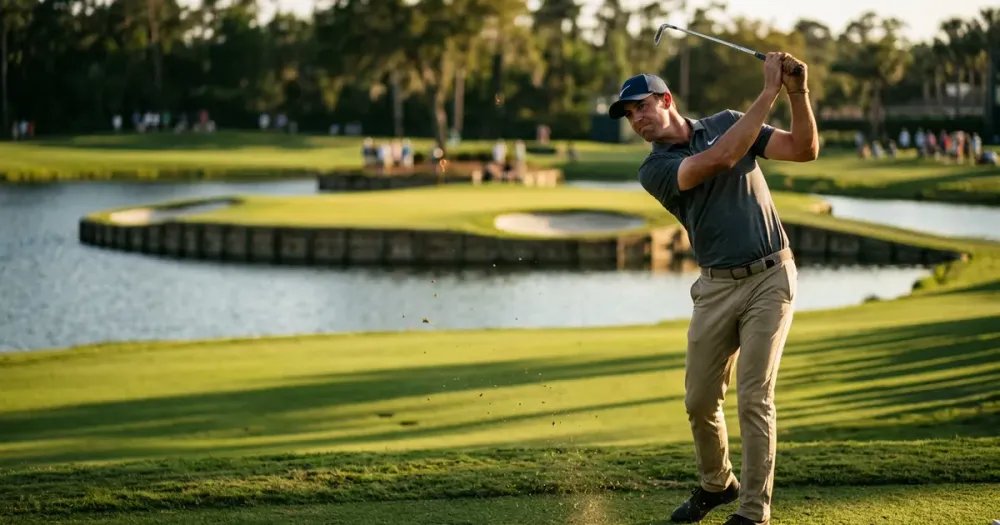
Rory McIlroy’s second-round performance on Friday at TPC Sawgrass offered more than just golf scores; it painted a picture of a champion grappling with a nagging back injury yet determined to defend his Players Championship title. Walking up the par-5 ninth hole, which was his eighteenth of the day, McIlroy was approached by NBC analyst Jim "Bones" Mackay, who asked about his plans for the coming weeks. McIlroy’s response was measured: he’d talk after the hole, emphasizing the weight riding on that shot. This moment captured the delicate balance between physical condition and competitive drive that defines his tournament week.
The stakes are clear. McIlroy tweaked his back at the Arnold Palmer Invitational just a week earlier. The injury delayed his arrival at the Players Championship in Ponte Vedra, Florida, until Wednesday afternoon, a move that raised eyebrows and concern among fans and insiders. His cautious approach to the event, underscored by a two-over 74 opening round, suggested he was managing discomfort. Yet, by Friday, he was in the thick of trying to make the cut — a task that involved more than just skill but also resilience and pain management.
The Back Injury’s Quiet Influence on Golf Scores and Strategy
McIlroy’s back injury isn’t just a sidebar; it’s shaping how he plays every shot. On Thursday, he reported that tee shots felt fine, but chipping was tender. The latter is crucial, given the finesse required around TPC Sawgrass’s notorious greens. McIlroy explained that standing more upright helped reduce sensitivity, especially when the ball was below his feet. The injury seems less about sharp pain and more about trust—trusting his body to deliver under pressure. Friday brought some relief, with McIlroy waking up feeling better and confident enough to grind through 36 more holes if needed.
His performance on the par-5 ninth hole showed this blend of caution and aggression. Needing a birdie to comfortably pass the projected cut line, McIlroy executed a 310-yard tee shot, followed by a 280-yard approach that found the green, finishing with two putts for the birdie. "Yeah, it would have sucked to be going home this afternoon," he admitted afterward. This moment wasn’t just about the score but about asserting control over a situation that could have unraveled due to injury. It also bought him more time to adjust his swing and work through the kinks in his back.
What McIlroy’s Golf Scores Reveal About His Weekend Prospects
While his scores have been a mixed bag—birdies balanced by bogeys—McIlroy’s ability to stay in the tournament means the injury isn’t sidelining him just yet. Still, the uncertainty hovers. His candidness about the back pain, especially around chipping, signals potential challenges ahead. Given the technical demands of TPC Sawgrass and the upcoming Masters, managing discomfort without sacrificing performance will be critical.
McIlroy’s game remains sharp enough to contend, but the fine margins in golf mean that any hesitation or physical limitation can tilt the balance. His comments about not feeling a putt drop on Friday despite playing well underline that sometimes, it’s not just about mechanics but also confidence and rhythm—both can be disrupted by injury. The next two days will test not only his physical resilience but also his mental toughness.
How This Injury Could Shape the Road to the Masters
Looking beyond the Players Championship, McIlroy’s back condition carries implications for the Masters, which he won last year. He mentioned that if he had been out after Friday, his plan would have been to play another event before Augusta. That signals a priority on recovery and readiness, hinting at a strategic approach to his schedule. The Masters is a major target for him, and preserving his health is paramount.
His openness about the injury and willingness to adjust his play style—standing taller on chips, focusing on smoothing out swings—reflects a pragmatic mindset. This isn’t a story of heroic pain playing but calculated navigation of physical limits to maintain competitiveness. For fans and analysts tracking golf rankings and equipment tweaks, this is a useful insight into how elite players handle real-world setbacks.
Why Rory’s Transparency Matters for Fans and the Golf Community
McIlroy’s straightforwardness about his back pain offers a rare window into the challenges top players face. Instead of vague assurances or silence, he shared specifics about tenderness and how it affects his shot-making. This honesty resonates with golf fans who understand that injuries are part of the sport yet appreciate when stars address them head-on.
Moreover, it adds texture to the golf scores we see on the leaderboard. Every bogey, every missed putt, can be viewed through a lens of physical challenge, not just momentary lapse. For those following the LPGA and PGA Tours, this kind of openness could influence expectations and appreciation for player efforts. It also raises questions about how golf courses and equipment might adapt to support players managing injuries, pushing the conversation beyond just scores.
The Quiet Detail That Changes the Whole Story About Rory’s Play
One detail that stood out was McIlroy’s choice to delay answering Mackay’s question until after the ninth hole. It was a subtle but telling moment. It showed a player acutely aware of the stakes—not just the tournament but his status, health, and future. That patience, that control in the moment, is part of why he’s a top-ranked player despite the pain.
It’s easy to focus on raw scores and miss the story beneath. McIlroy’s Friday was about more than a birdie or a two-over round. It was about managing a fragile body in a high-pressure environment. It was a reminder that golf is as much mental and physical chess as it is pure athleticism.
What this means for the rest of the Players Championship is that McIlroy’s weekend will be a test of endurance and strategy as much as skill. How he manages the injury—balancing rest, treatment, and competitive drive—will determine if he can defend his title or if the back will force an early exit. That matters because it shapes not only his immediate golf scores but also the narrative heading into the Masters and the rest of the season.
As the tournament unfolds, keep an eye on McIlroy’s swing adjustments, his short game confidence, and how he talks about his back in press interactions. Those signals will reveal more than numbers on a leaderboard. For now, he’s playing through the pain, hoping to turn discomfort into opportunity.
According to Golf.com editor Nick Piastowski, McIlroy’s approach this week is a blend of resilience and realism, a balancing act that only the best in the game can manage.
What to watch next: The weekend rounds at the Players Championship will spotlight whether McIlroy can maintain his current form while managing his back. His performance on the short game—especially chips around the green—and putting will be critical. How he finishes could hint at his readiness for the Masters in April, setting the tone for a pivotal stretch in the golf calendar.
All facts and quotes are credited to their originating outlets. Learn more about our sourcing policy.