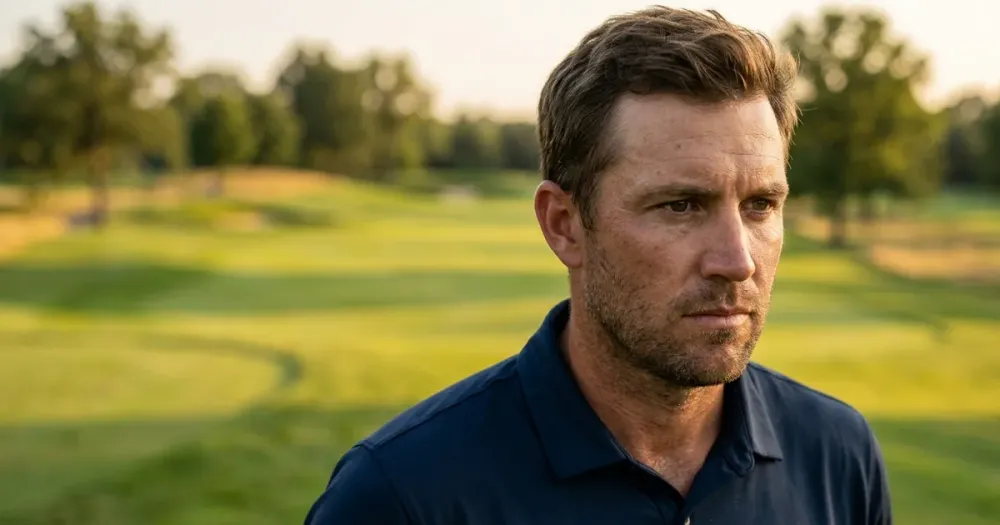
When Rory McIlroy walked off the 18th green at Muirfield Village yet again, the frustration was plain on his face. Despite his status as one of golf’s all-time greats, the Memorial Tournament remains a puzzle. Thirteen attempts, five top-10s, four more top-20s, and still no victory. For a player with 30 PGA Tour wins and six majors, it’s not just a missed trophy—it’s a personal challenge wrapped in legacy, patience, and a course design that demands more than raw power.
The Memorial Tournament: More Than Just Another Event
McIlroy’s quest for a Memorial win is about crossing a threshold. He’s not just chasing any title; he wants the wins that mean something special—majors, national opens, and tournaments tied to legends like Jack Nicklaus. The Memorial, held at Muirfield Village in Ohio, is one of those rare stops. McIlroy has said it’s one of only two events he truly wants to win alongside the Genesis Invitational at Riviera, Tiger Woods’ home turf, where he’s also winless after 10 tries.
This tournament is a test on multiple levels. It’s a proving ground for patience and strategic mastery, crafted by Nicklaus himself. And for McIlroy, the Memorial represents a chance to walk up the hill after 18, shake the hand of the man who shaped the course—and the game—and etch his name alongside the greats.
Jack Nicklaus’s Design Demands Patience, Not Power
Nicklaus’s vision for Muirfield Village wasn’t to favor the longest hitters or the shortest hitters. Instead, he designed a course that offers a fair but stern test to all styles, asking players to navigate with precision rather than brute force. Nicklaus himself admits that trying to overpower the course, as he once attempted in his younger days, simply doesn’t work.
For McIlroy, known for his explosive driving distance, this is a fundamental challenge. The fairways at Muirfield pinch the landing zones that would normally reward his length, essentially neutralizing his biggest weapon. “It’s frustrated me,” McIlroy admitted, “to feel like my biggest weapon is in some way neutralized here.” That means he must switch gears and embrace a more calculated approach, focusing on positioning and shot-shaping rather than power swings.
The Mentor’s Advice: Minimize Mistakes, Manage the Course
The relationship between McIlroy and Nicklaus spans nearly two decades, blending mentorship, friendship, and a shared South Florida connection. Nicklaus’s counsel has emphasized course management and avoiding costly errors. Before one Masters, Nicklaus told McIlroy simply, “No effing double bogeys.” While not perfectly heeded, the message stuck, contributing to McIlroy’s second consecutive green jacket.
But at Muirfield Village, Nicklaus has yet to offer McIlroy specific game plans this year. Instead, he points to patience and strategic shot-making as keys. The greens are another hurdle—punishing for players who spin the ball aggressively. Nicklaus highlights holes like 3, 6, 9, 10, 14, 15, 17, and 18 as spots where trajectory control and varying shot flights are essential, lessons Nicklaus learned himself on this course and at Augusta National.
Why McIlroy’s Aggressive Style Runs Into Trouble Here
McIlroy’s game is versatile; he’s a master of trajectory and spin. Yet the Memorial demands a commitment to strategy that sometimes runs counter to his natural instincts. The course isn’t about standing up and hitting it hard—it’s about precision, patience, and managing risk. This clash explains why his usual aggressive style has fallen short here, despite his obvious talent.
Understanding this gap is crucial for appreciating McIlroy’s pursuit. It’s not just about adding another win but adapting to a test that rewards calculation over power. That’s why his 0-for-13 Memorial record feels more like a learning curve than a failure.
The Bigger Picture: Legacy and the Pursuit of Meaningful Wins
McIlroy’s hunt for victories at legacy events like the Memorial and Genesis Invitational signals something larger. These aren’t just trophies; they’re milestones that connect him to golf’s history and its greats. Winning at these venues means more than prize money or ranking points—it’s about cementing a place in the sport’s narrative.
For McIlroy, shaking Nicklaus’s hand after a Memorial win would symbolize mastering a course designed by one of the all-time greats and overcoming a challenge that has so far eluded him. It would also underscore his evolution as a player willing to adjust his game for the unique demands of each stage.
As All The Golf reported, Nicklaus himself hopes to see McIlroy crack this code soon. “I would love to see Rory play well here,” he said, hinting at the possibility that the next Memorial Tournament could finally bring McIlroy his breakthrough.
What to Watch Next
Keep an eye on McIlroy’s approach as the 2026 Memorial Tournament unfolds. Will he dial back the driver and lean into the patience Nicklaus preaches? The next few rounds will reveal whether McIlroy can adapt his game plan to the strategic demands of Muirfield Village and finally break through. The stakes are high—not just for a title but for legacy and mastery on a course that has challenged even the best.
How McIlroy navigates this test could reshape his 2026 season and influence his quest for other signature wins on the PGA Tour.
By Alan Bastable, as reported by All The Golf For a broader view, explore our coverage of PGA Tour news and results.
Source: as reported by All The Golf
All facts and quotes are credited to their originating outlets. Learn more about our sourcing policy.