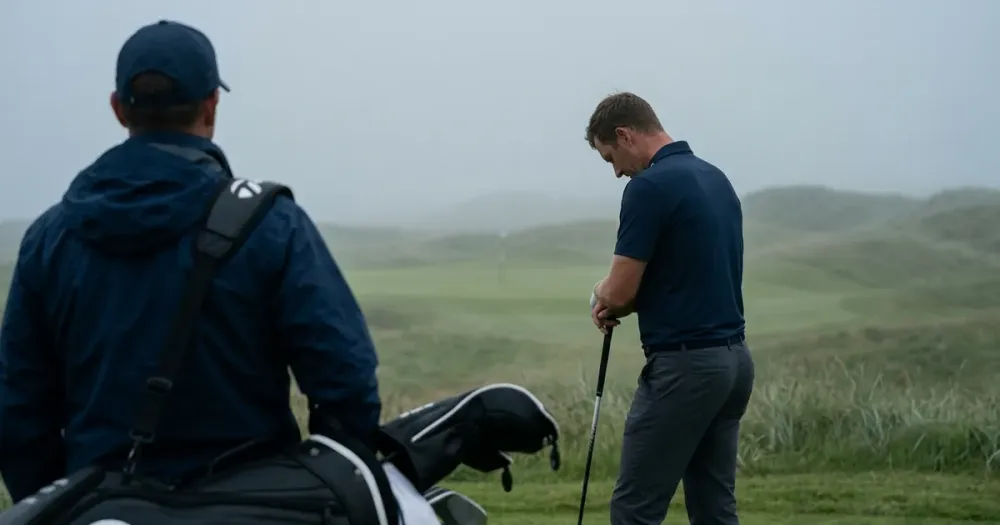
The thick fog hanging over The Renaissance Club on Saturday evening wasn’t just a delay in the Scottish Open—it was a turning point. Rory McIlroy, tied for the lead and riding high after two solid rounds, found himself waiting hours before teeing off late into the night. That pause disrupted his rhythm and set the stage for a struggle that went beyond missed shots.
When McIlroy finally stepped onto the course, the six-time major champion’s game looked out of sync. Early bogeys piled up, including a particularly costly mis-hit tee shot on the par-3 fifth. The evening’s fading light and the lingering fog seemed to sap his momentum, forcing play to be suspended with McIlroy three over for the round. That nightmarish third round left his chances of winning dangling by a thread.
Yet McIlroy’s resilience showed. Between rounds, he headed to the range and found a quick fix—adjusting to the tricky left-to-right wind that had been throwing off his iron shots. His final round was a charge, with a four-under 31 on the front nine and clutch birdies at 12 and 13 bringing him within a shot of the lead. The tension was building; the comeback was real.
Then came the 16th hole—the moment that revealed the mental battle beneath the surface. After a solid tee shot splitting the fairway, McIlroy pulled his 6-iron wildly into the heather. The frustration was immediate and candid. “Oh my God, I’m so bad at golf,” he muttered aloud, a rare glimpse into the internal struggle of a player usually so composed. That hooked iron shot ultimately led to a bogey that stalled his charge.
McIlroy finished at 12 under, five shots behind winner Tom Kim. But those five words on 16 resonate more than the final score. They highlight how even the best can wrestle with confidence and precision, especially when external factors like a fog delay throw off their groove. McIlroy’s honesty and fight under pressure offer a revealing snapshot of elite golf’s mental demands.
The Money Trail Is Not the Point. The Incentive Is
McIlroy’s weekend highlighted how conditions and timing matter as much as skill. The fog delay pushed his third round tee time deep into the evening, disrupting his preparation and mindset. Golf is a game of rhythm, and that interruption proved costly. The pressure of defending his Scottish Open title, a tournament he won in 2023, added layers to the challenge.
Yet the Scottish Open’s place on the calendar—just before The Open Championship—means every shot counts toward shaping confidence and form. McIlroy’s stubborn charge Sunday showed his awareness of what was at stake beyond prize money or leaderboard position: momentum heading into golf’s next major test.
Why This Rule Changes Who Gets Access
The fog delay also underscores how weather can influence tournament formats and scheduling, a factor that sometimes tilts competitive balance. Late tee times in fading light test players’ endurance and mental toughness. Understanding how such interruptions affect performance is crucial for fans and analysts trying to gauge who can handle pressure when stakes rise.
For McIlroy, the delay meant battling not just opponents but also the clock and environment. His ability to regroup for the final round, despite a shaky third, speaks to his experience but also serves as a reminder that golf is as much about managing adversity as it is about technical skill.
The Detail Most Fans Will Miss
One subtle but telling detail behind McIlroy’s struggles was his practice routine on the range. He explained that hitting balls into a left-to-right wind had ingrained a swing path that caused his irons to fly left of target. This problem had plagued him earlier in the year at the Truist Championship and resurfaced here, leading to the wayward 6-iron on 16.
This nuance reveals how even small environmental factors influence elite players’ mechanics and decisions. McIlroy’s self-awareness—knowing he needed to practice against a right-to-left wind to correct his shot shape—shows the constant adjustments pros make to stay sharp. It also hints at the fine margins separating success from stumbles at the highest level.
LIV Golf Rory McIlroy Scottish Open 2026: What This Means Going Forward
McIlroy’s emotional moment at the 16th hole and his overall weekend performance provide more than just a leaderboard snapshot. They offer insight into the mental resilience required to compete at the top. As he looks ahead to the Open Championship at Royal Birkdale, McIlroy is confident but aware of the edges he must smooth out.
His comments about needing to adjust practice conditions and improve consistency hint at the ongoing battle to maintain elite form. This Scottish Open experience could serve as a valuable lesson in managing both external disruptions like weather and internal pressures during critical moments.
As All The Golf reported, McIlroy’s candid self-criticism and recovery attempt illustrate the thin line between control and chaos in tournament golf. Fans watching next week will see if he can turn those lessons into a seventh major title and a second Claret Jug.
What to watch next: McIlroy’s preparation and adaptation at Royal Birkdale will be under scrutiny. His ability to handle similar wind conditions on the range and maintain composure during high-stakes holes could determine whether he converts promise into victory at The Open Championship. For a broader view, explore our coverage of PGA Tour news and results.
Source: as reported by All The Golf
All facts and quotes are credited to their originating outlets. Learn more about our sourcing policy.