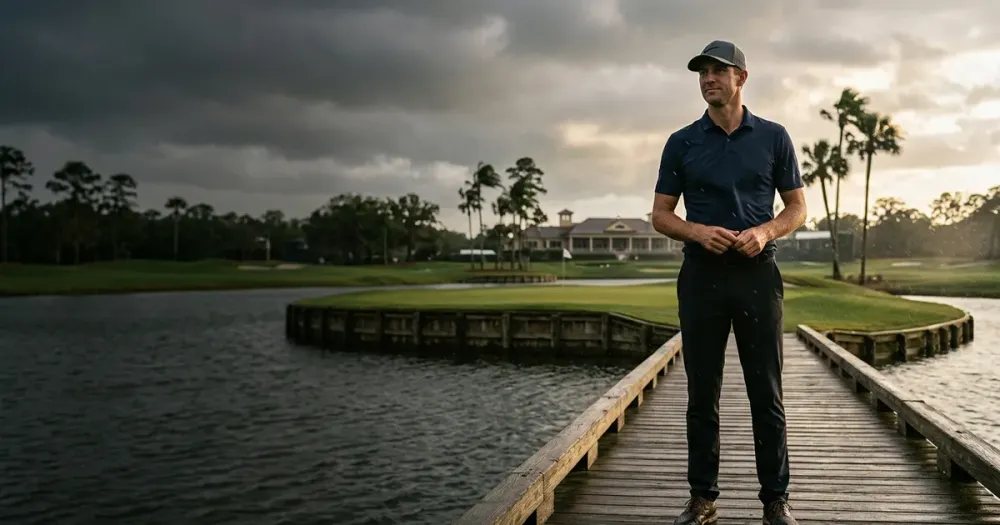
Rory McIlroy didn’t hold back when asked about the swirling chatter connecting his recent back injury to his involvement in TGL, the indoor-simulator golf league he helped launch with Tiger Woods. “To put it solely on that is preposterous. No,” McIlroy told The Palm Beach Post, cutting through the noise with his trademark bluntness. His comments came as he struggled through a cautious start at the Players Championship, the tournament spotlight now shining on his health and golf scores in a season already marked by questions.
The Social Media Theory That Won’t Quit
The rumor mill ignited after McIlroy withdrew from the Arnold Palmer Invitational last week due to back issues and then showed signs of rust with a 74 in the first round at TPC Sawgrass. Collin Morikawa’s sudden back tweak and exit on the second hole of the Players only added fuel to the fire. Fans and online analysts quickly noticed a pattern: several top players, including McIlroy, Morikawa, Billy Horschel, Sahith Theegala, and Justin Thomas, have reported back or neck troubles recently, all coinciding with their participation in TGL matches.
The theory suggests TGL's unique format—competing indoors on simulators with instant ball speed feedback—pushes players to swing harder, adding strain to their bodies. Plus, the league’s schedule, squeezed alongside the regular PGA Tour calendar, is said to exacerbate fatigue. But McIlroy and others reject this narrative outright. “My ball speed on Tour is way faster than it is in TGL,” he said, undermining the idea that simulator play is more physically demanding.
McIlroy’s Performance and the Reality of Back Injuries
After mulling over his condition, McIlroy decided late Thursday to tee it up at the Players Championship. His opening 74 and a follow-up 71 barely kept him above the cut line, reflecting both lingering discomfort and ring rust. This cautious approach underscores the challenge of managing golf scores when battling injuries, particularly in such a high-stakes event.
Back pain has long haunted professional golfers, from legends like Lee Trevino and Lanny Wadkins to Tiger Woods himself. The intense rotational forces of the modern golf swing take a toll. Analyst Brandel Chamblee has argued that today’s obsession with speed and distance pushes players’ bodies to the limit. Pinpointing a single cause is tricky, making blanket claims about TGL’s role overly simplistic.
Voices from the Tour: Pushing Back Against the Narrative
Billy Horschel was quick to dismiss the supposed link between TGL and injury when the topic surfaced on social media. He, like McIlroy, highlighted that the simulator environment lacks the physical intensity of live tournament play. TGL’s matches, held at the SoFi Center in Palm Beach Gardens, Florida, feature six teams, each playing a condensed 15-match regular season with playoffs starting March 17. It’s a different rhythm, but not necessarily a risk multiplier for injury.
McIlroy’s Boston Common Golf Club team is gearing up for the playoff rounds, adding another layer of pressure. Balancing this new venture with traditional Tour demands is undoubtedly complex, but the players involved are pushing back against accusations that TGL compromises their health or golf scores in the regular season.
What This Means for Golf Fans and the Season Ahead
Understanding the injury chatter and McIlroy’s rebuttal matters because it shapes how fans interpret the evolving golf landscape. TGL offers a fresh platform blending technology and competition, but it also invites scrutiny over player wellbeing. Golfers are navigating packed schedules, multiple formats, and the physical toll of their craft. The key takeaway: injuries are multifaceted, and blaming a single factor oversimplifies a thorny issue.
For fans tracking golf scores and player performance, this context is crucial. It explains why a star like McIlroy might struggle to find rhythm at the Players Championship while juggling new commitments. It also tempers expectations about quick comebacks and raises awareness of the broader challenges pros face beyond what the leaderboard shows.
Looking Ahead: What to Watch Next
The upcoming Players Championship weekend and the start of the TGL playoffs on March 17 promise high drama. McIlroy’s fitness and form will be under close watch as he attempts to balance competitive golf scores with managing his back. Observers will want to see whether this cautious approach pays off or if injury concerns persist. Meanwhile, the broader conversation around golf equipment, swing mechanics, and scheduling pressures will continue to shape debates on player health.
As reported by The Palm Beach Post, McIlroy’s straightforward dismissal of the TGL injury theory cuts through much speculation but leaves open the larger question of how modern golf’s demands impact its stars. For anyone invested in golf scores and understanding the season’s storylines, this is where the sport’s modern tensions play out—in the space between innovation, competition, and physical limits.
All facts and quotes are credited to their originating outlets. Learn more about our sourcing policy.