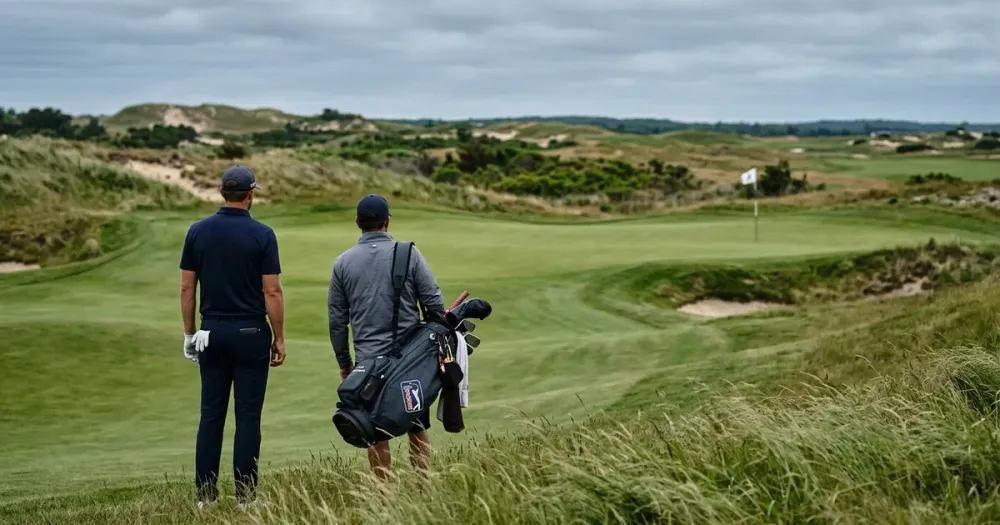
As the PGA Tour’s elite prepare for this week’s U.S. Open at Shinnecock Hills Golf Club, one thing is clear: the course’s setup and relentless wind will test every part of their game. Matt Fitzpatrick’s disappointment at seeing the greens watered during practice rounds highlights a tension between tradition and practicality. "For me personally, I want it to get as dry and firm as possible, as U.S. Opens do, and just see where that takes us," he said. But Shinnecock’s exposure to strong coastal winds means the USGA must balance firmness with playability, or risk "losing" the golf course as happened controversially in 2004.
The Knife’s Edge of Shinnecock’s Setup
Shinnecock Hills is infamous for its difficulty, not just from the layout but from the wind that sweeps across the links-style terrain. Players have long debated whether the USGA aims for a certain winning score or par as a benchmark. Adam Scott, who has played at Shinnecock multiple times, explained, "To achieve that at some courses, if that was the goal, you're on a knife's edge." The unpredictable weather can quickly turn sections of the course unplayable, but recent setups seem to have avoided that extreme. Scott added, "I think we've seen the setups get away from that more recently. I'm really not concerned."
Wind’s Influence Overrides Course Firmness
The wind at Shinnecock isn’t just a backdrop; it shapes how the golf course plays day to day. Scottie Scheffler noted, "Here the wind is a bit heavier. I wouldn't say it's as heavy as Pebble Beach, but it is a pretty heavy wind." The breeze can even shift in direction during the day, forcing players to adapt constantly. This playing environment means the USGA often waters the greens to keep them from becoming too firm and fast, which would make putting nearly impossible in gusty conditions. Rory McIlroy pointed out that the club members water the course daily at 2 p.m. to manage these challenges.
Greens: Small Targets and Strategic Battles
Shinnecock’s greens are notoriously small, with tricky runoffs designed to punish even slight inaccuracies. Brooks Koepka, the last champion at Shinnecock, remarked that the current greens are softer and slower than usual during practice rounds, rolling around 11 on the Stimpmeter. This softness helps keep the ball from rolling uncontrollably in the wind. Fitzpatrick emphasized the importance of patience, saying, "If you miss the greens in the right spots and do your homework, you have opportunities to get up-and-down still." This makes strategy and course management just as crucial as power and precision.
Why This Matters for the U.S. Open and PGA Tour Competitors
Shinnecock Hills embodies the challenge that defines the U.S. Open: a course that does not allow players to run away with the lead but instead punishes mistakes harshly. Defending champion JJ Spaun summed it up: "You can't win it the first day, but you definitely can lose it." The forecast for high winds and gusts above 40 miles per hour promises a brutal test. The softer greens are a temporary concession to these conditions, but as the tournament progresses, players expect the course to firm up, demanding pinpoint accuracy, smart shot selection, and unwavering patience.
Adam Scott’s perspective encapsulates the essence of Shinnecock’s challenge: "The beauty of this course is obviously around the greens and the options and the situations you'll find yourself in that you really don't plan to be in and how you manage that and compose yourself to get it around the course and get it in the house." This week, the players’ ability to adapt to Shinnecock’s mercurial conditions will determine who emerges as champion on one of the PGA Tour’s toughest stages.
What to Watch Next
All eyes will be on how the USGA adjusts the course as the tournament unfolds, especially if the winds shift or intensify. The firmness of the greens heading into the weekend will be a key factor in scoring and strategy. Watch for players who combine patience with precision around these small, wind-tested greens—they are the ones most likely to survive Shinnecock’s punishing test. For a broader view, explore our coverage of PGA Tour news and results.
Source: as reported by All The Golf
All facts and quotes are credited to their originating outlets. Learn more about our sourcing policy.