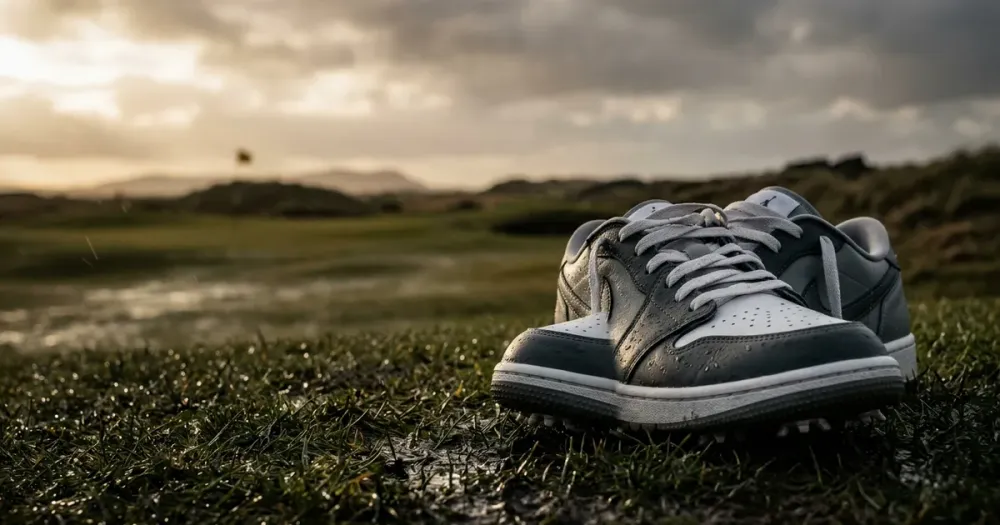
Stepping onto the golf course with the Jordan 1 Low golf shoe feels like a style statement. The iconic silhouette, sleek lines, and the unmistakable Jordan branding turn heads. It’s a shoe that grabs attention, no doubt. But beyond that initial excitement, the question looms: Does it hold up where it matters most—in real golf conditions? For many golfers, the answer is a frustrating no.
Style Over Substance: The Appeal That Misses the Mark
The Jordan 1 Low golf shoe taps into a powerful cultural cachet. It blends sneaker culture with golf, offering something fresh in a sport often criticized for stuffy footwear. The design borrows heavily from the classic Jordan 1 sneaker, which has been a staple of basketball and streetwear for decades. For golfers who want to bring that vibe to the course, it’s a visual win. The shoe looks sharp off the course and fits comfortably into casual golf settings.
However, that crossover appeal doesn’t automatically translate into golf performance. The Jordan 1 Low is more of a lifestyle shoe than a specialized golf shoe. It lacks key features that serious golfers rely on, like aggressive traction, waterproofing, and the stability needed for a powerful swing on uneven terrain. The result is a shoe that shines in style but stumbles in function.
The Performance Gap: Why It Falls Short on the Course
Golf shoes aren’t just fashion statements; they’re tools. When you’re grinding through 18 holes, every element matters—from grip on wet grass to comfort during long walks. The Jordan 1 Low struggles here. Its outsole doesn’t provide the kind of traction that traditional golf spikes or spikeless golf shoes deliver. This can lead to slipping or unstable footing, especially on tricky lies or damp conditions.
Comfort also becomes an issue. While the shoe borrows from a sneaker known for cushioning, the Jordan 1 Low golf shoe’s sole isn’t optimized for the repeated twisting and weight shifts of a golf swing. Over a full round, fatigue can set in. And without waterproof materials, wet conditions quickly turn the shoe from stylish to soggy, which is the last thing any golfer wants.
In a sport where every stroke counts, these performance deficits can add up. Golfers seeking to improve their game with every tool at their disposal might find the Jordan 1 Low’s compromises frustrating.
What the Jordan 1 Golf Shoe Should Have Been From the Start
Imagining a better version of the Jordan 1 golf shoe means retaining the style but dialing up the golf-specific features. First, traction is king. A redesigned outsole with strategically placed spikes or advanced spikeless traction would stabilize the foot during swings and while walking hilly courses. Waterproofing is another must-have; golfers don’t need soggy shoes ruining their day.
Comfort could be enhanced by incorporating midsoles engineered for golf’s unique movements—think responsive cushioning that supports lateral shifts and weight transfers. Breathability matters too, especially in warmer climates. Finally, the shoe should offer support that balances flexibility with stability, preventing ankle rolls without feeling stiff.
These changes would transform the Jordan 1 from a stylish sneaker adapted for golf into a genuine performance shoe. Then it could compete with established golf footwear brands that prioritize function without sacrificing flair.
Why Golf Fans Should Care About This Shoe’s Limits
This isn’t just about footwear. It’s about what the Jordan 1 golf shoe represents in golf news today: the challenge of blending culture, style, and sport. Golf is evolving, attracting younger players who want sneakers that look good and perform better. But if shoes like the Jordan 1 fall short on course, it risks undermining progress toward inclusivity and modernization.
Golf tips and equipment advice often stress the importance of footing and balance, yet many fans overlook how much a shoe can impact these elements. When a shoe looks great but can’t deliver on traction or comfort, it creates a disconnect for players trying to improve their game. That matters for golf rankings and player development, especially on courses that demand precision.
So, while the Jordan 1 Low golf shoe scores high on style, the real question is: does it help you shoot lower scores? Right now, it doesn’t.
The Quiet Detail That Changes the Whole Story in Golf Equipment
Here’s the part nobody’s saying out loud: the Jordan 1 Low golf shoe is a missed opportunity for Jordan Brand and the golf shoe market. The shoe’s design is a visual conversation starter but its performance numbers—traction, waterproof rating, comfort over 18 holes—don’t stack up. When compared to top-tier golf shoes, it falls short in strokes gained and scoring averages, especially in wet or hilly conditions.
Golf courses vary widely, and players need gear that adapts. The Jordan 1 Low’s lack of specialized golf features means it’s less versatile across different terrains. That limits its appeal beyond casual or fashion-focused rounds. For a brand with the resources to innovate, this gap is significant. It’s a reminder that golf equipment must respect the game’s physical demands, not just its style trends.
What to Watch Next: The Next Step for Jordan Brand in Golf
As golfers and sneakerheads watch closely, the big question is whether Jordan Brand will refine its approach. Will the next golf shoe iteration combine the cultural weight of the Jordan 1 with the technical advancements players need? The upcoming tournaments and player feedback could push the brand to rethink design priorities.
Keep an eye on how this conversation influences golf footwear innovation, especially as the LPGA and PGA Tour continue to attract younger, style-conscious players demanding more from their gear. The stakes are high—not just for Jordan Brand but for the direction of golf equipment as a whole.
For now, the Jordan 1 Low golf shoe remains an intriguing but flawed experiment, a lesson in the tricky balance between style and substance in golf news.
Source: as reported by MyGolfSpy
All facts and quotes are credited to their originating outlets. Learn more about our sourcing policy.