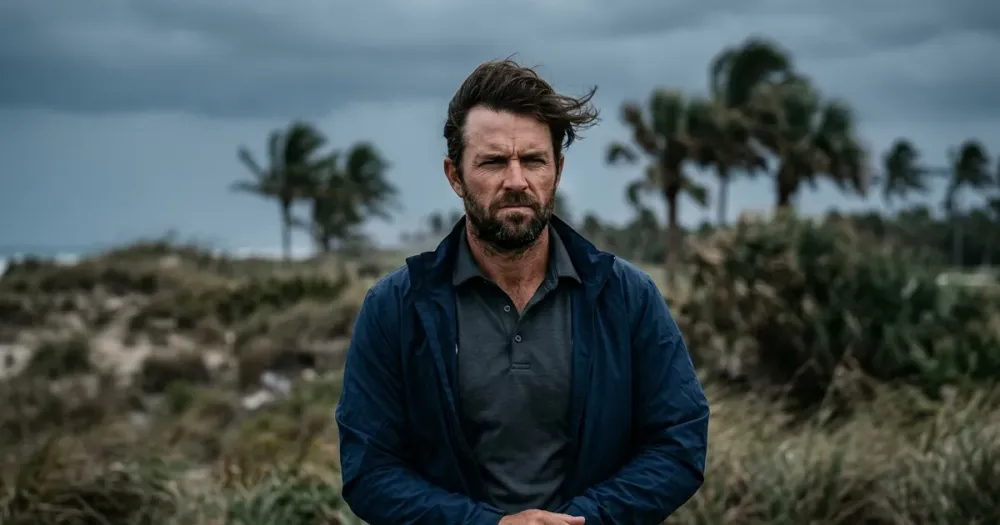
Jack Sock faced relentless 30-35 mph winds at PGA National during a PRO Tour event, turning what should have been a competitive golf test into a grueling ordeal. The brutal gusts transformed the course into a battlefield, forcing players to rethink every shot amid punishing weather. For Sock and his fellow competitors—many of whom are former professional athletes now testing their mettle on the golf course—the challenge was more than just about scoring. It became a mental and strategic war against nature.
The Jack Sock PRO Tour PGA National Experience: Battling Wind and Course Complexity
The PRO Tour, an invitation-only series for former pro athletes with verified single-digit handicaps, is designed to keep competitive spirits alive in a golf setting. Jack Sock, known primarily for his tennis and pickleball careers, has eagerly embraced this new arena. He described his recent rounds at PGA National as a “disaster,” primarily due to the extreme wind conditions. "First day, it was 35 mile an hour winds. And then 30 mile an hour winds, I think for the second day," Sock recounted on the podcast Subpar, hosted by Colt Knost and Drew Stoltz.
PGA National is notorious for its difficulty, even for PGA Tour pros who play it annually during the Cognizant Classic. The swirling winds only amplified the course’s inherent challenges, demanding exceptional course management and mental toughness. "The guys that shot well, they just managed the course, insane," Sock noted. The heavy winds punished errant shots, but the PRO Tour’s modified Stableford scoring system offered some relief—players could pick up after a bad hole without the full penalty of stroke play, a critical factor when battling such brutal conditions.
Why the PRO Tour’s Format Matters Under Harsh Conditions
The PRO Tour’s modified Stableford system awards points based on hole performance rather than raw strokes, encouraging aggressive play while allowing players to minimize the damage from disastrous holes. Sock acknowledged that this format was “honestly the nicest part” of the PGA National experience during the windstorm. “You just throw one in the water and like, all right, maybe hit another and then get out of there,” he said. This scoring method shifts the strategic emphasis from simply avoiding big numbers to making smart, risk-adjusted decisions—a vital adaptation when 30+ mph winds turn every shot into a guessing game.
Such conditions put a premium on shot shaping, wind reading, and mental resilience. Even players familiar with PGA National felt the course became unforgiving, forcing a blend of patience and aggression seldom seen in typical tournaments. This balance defines what the PRO Tour demands from its players: not just skill, but adaptability and psychological endurance.
Jack Sock’s Perspective: Embracing Challenge and Growth
Despite the punishing conditions and the “disaster” he described, Sock’s enthusiasm for the PRO Tour remains undiminished. He’s eager to continue competing and improving his golf game within this growing competitive niche. “If a PRO Tour pops up and I’m able to play it, 100 percent, yeah,” he said. His commitment signals a broader trend of elite athletes transitioning into golf post-retirement, seeking serious competition rather than casual play.
For Sock, the PRO Tour represents more than just tournaments; it’s a platform to refine skills, gain experience on challenging courses, and stay engaged in competitive sports. His experience at PGA National, while daunting, has underscored the unique demands of this tour and the kind of mental grit required to succeed.
Why This Jack Sock PRO Tour PGA National Experience Matters Now
This episode at PGA National highlights the evolving landscape of post-retirement professional competition. The PRO Tour's structure, combining elite athletic backgrounds with golf’s unique challenges, creates a fresh and demanding competitive environment. The brutal winds and tough course conditions demonstrate how factors like weather and format intersect to redefine player strategy and resilience. It’s a reminder that golf’s challenge isn’t always in the scorecard but in the conditions and mindset.
For fans, understanding the significance of the PRO Tour’s format and the PGA National experience enriches appreciation of the skill and mental toughness these former pros bring to the game. The wind-whipped rounds at PGA National were more than a test of shot-making—they were a full-scale examination of adaptability and competitive spirit.
What to Watch Next
As the PRO Tour gears up for its second season, all eyes will be on how players like Jack Sock adapt to different courses and conditions. The next events will test whether the lessons learned at PGA National—especially managing extreme weather and course difficulty—translate into improved performance. The upcoming tournaments will also reveal how the PRO Tour’s Stableford scoring continues to shape player strategy and competitiveness. Fans and analysts alike should watch for shifts in rankings and new contenders emerging from this unique competitive crucible. For a broader view, explore our coverage of PGA Tour player profiles and rankings.
Source: as reported by All The Golf
All facts and quotes are credited to their originating outlets. Learn more about our sourcing policy.