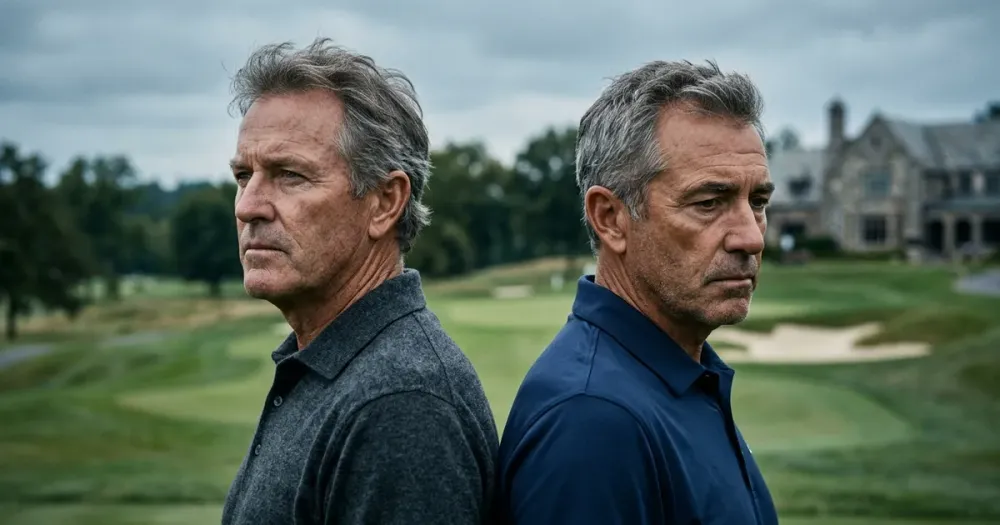
At a recent PGA Tour press conference near Hartford, Connecticut, Tiger Woods appeared sharply dressed and composed as he introduced the Tour’s new CEO, Brian Rolapp. This polished moment contrasted strikingly with the turbulent chapters that have defined Woods’s life off the course in recent years. The scene underscored a larger story unfolding in professional golf: two of the sport’s greatest icons, Tiger Woods and Phil Mickelson, have followed sharply different paths, reshaping their legacies and the culture of pro golf by 2026.
Tiger Woods’s Efforts to Rebuild Amid Challenges
Woods’s public reemergence comes after a series of personal and legal struggles, including a recent stint in behavior rehabilitation following a roadside incident. Despite these setbacks, Woods remains closely linked to the PGA Tour’s evolving business landscape. His introduction of Brian Rolapp, a rising sports executive, signaled Woods’s continuing influence behind the scenes as the Tour attracts new investment and venture capital. While Woods’s next court date is scheduled for August 4, his presence at the press event highlighted his ongoing role as a symbol of resilience within golf’s establishment.
Phil Mickelson’s Complex Standing in Golf
Meanwhile, Phil Mickelson’s reputation presents a contrasting narrative. Celebrated as one of the greatest talents in golf history—acknowledged even by Jack Nicklaus himself—Mickelson’s career highlights include a major championship victory at age 50, making him the oldest to achieve such a feat. Yet his recent years have been marked by controversy. A Golf Digest report detailed allegations of “inappropriate and nonconsensual physical contact” at a San Diego golf club, claims Mickelson’s representatives have disputed. Further reports from the golf site Skratch suggested Mickelson left multiple private California clubs under pressure, though official statements clarify he has never been formally expelled.
Clarifying Mickelson’s Involvement and the LIV Golf Context
Mickelson’s reputation within the PGA Tour offices is notably strained, as he was a pioneering figure in the wave of players departing for LIV Golf, the Saudi-backed breakaway league. However, the public discourse around Mickelson’s actions and affiliations often suffers from misinformation and exaggeration. It’s important to note that verified reporting has avoided unsubstantiated claims about Mickelson’s legal or club status, focusing instead on confirmed allegations and his ongoing disputes with the Tour.
The Divergent Cultural and Business Impact of Two Legends
Both Woods and Mickelson have left indelible marks on golf culture and its business model, but their roles have shifted in markedly different directions. Woods’s embrace of executive responsibilities and his role in ushering in new leadership highlight a transition from athlete to golf ambassador and influencer in the sport’s commercial future. Mickelson’s journey, by contrast, reflects the complexities of maintaining a public image amid scandal and the challenges of breaking from traditional structures.
Phil Mickelson Tiger Woods Pro Golf Legacy 2026: A Reflection of the Sport’s Evolution
The distinct trajectories of Mickelson and Woods speak to broader changes in professional golf’s landscape. Their stories reveal how personal choices intersect with the sport’s evolving business interests, public expectations, and cultural shifts. As of 2026, neither plays the prominent roles on the course they once did—both have stepped away from marquee events like the Masters and the U.S. Senior Open. Yet their legacies continue to influence how golf balances tradition with change, spotlighting the tension between individual appetites for more and the demands of a public that seeks accountability.
As Michael Bamberger, a seasoned golf writer, noted, the public’s appetite for scrutiny of these figures is insatiable. The contrast between Woods’s attempts at rehabilitation and Mickelson’s ongoing controversies makes their legacies a study in how fame, fortune, and personal decisions shape professional sports in unpredictable ways.
What this means going forward is that the paths these two icons have taken serve as instructive examples for players and executives alike. Woods’s continued involvement in the Tour’s leadership hints at a future where former players transition into strategic roles. Mickelson’s situation underscores the fragility of public goodwill and the complexities of managing personal conduct in a high-profile career.
Understanding their legacies helps fans and insiders alike grasp the shifting dynamics of pro golf—the interplay of talent, character, and business—that will define the sport’s direction well beyond 2026.
What to Watch Next
All eyes now turn to the upcoming August 4 court date for Tiger Woods, which could influence his standing within the golf community and beyond. Meanwhile, Phil Mickelson’s next moves—whether in golf, media, or business—will be closely scrutinized as observers assess whether he can reclaim a constructive role in the sport’s future. These developments will shape not only their personal narratives but also the evolving culture and governance of professional golf. For a broader view, explore our coverage of PGA Tour player profiles and rankings.
Source: as reported by All The Golf
All facts and quotes are credited to their originating outlets. Learn more about our sourcing policy.