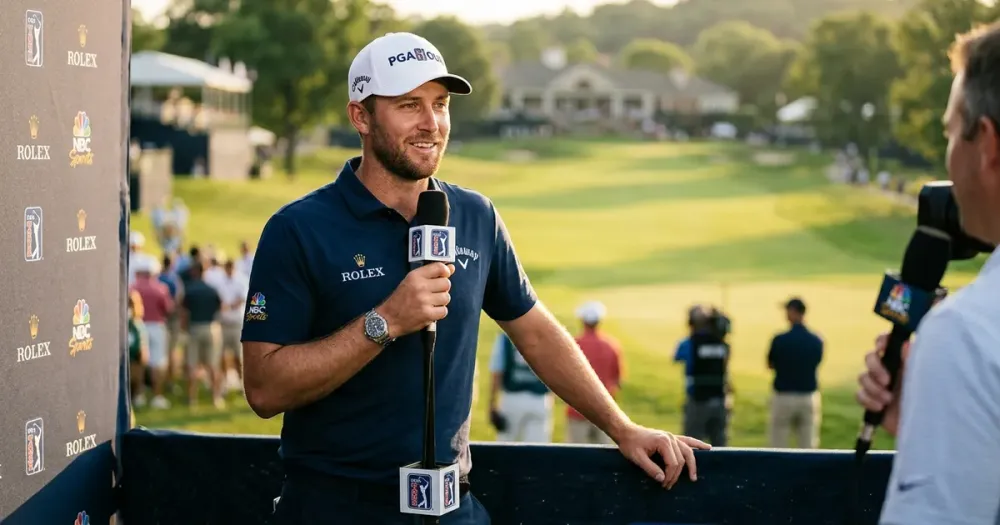
Rory McIlroy’s recent Masters win wasn’t just another trophy; it reaffirmed his position atop the golf rankings and showcased a swing that amateurs can learn from. If you want to know how to copy Rory McIlroy swing tips for amateurs, the good news is several key moves in his technique are accessible to players beyond the PGA Tour. Understanding these can improve your power, control, and balance—core elements that apply across all golf courses.
Rory’s Relaxed Setup and Strong Grip: The Foundation
First things first: Rory’s setup is famously tension-free. His arms, shoulders, and hands stay relaxed, which is crucial for a fluid, powerful swing. If you grip the club too tightly or brace your shoulders, you’ll limit your range of motion and speed. Rory’s relatively strong left-hand grip—rotated clockwise so the glove logo is visible—helps him produce a natural draw and fight off slices. For amateurs struggling with slicing, adopting a stronger left-hand grip is a simple adjustment with immediate impact.
Embrace the ‘Cup’: Why a Slight Wrist Bend Works
Contrary to some modern teachings that promote a flat left wrist at the top of the backswing, Rory’s left wrist cups slightly. This subtle bend allows him to hinge his wrists fully while maintaining a square clubface through impact. That full wrist hinge, with the shaft near parallel to the ground, is possible because he stays loose at address. For amateurs, trying to force a flat wrist often leads to tension and restricted movement. Rory’s approach encourages a more natural hinge, improving both control and power.
Crack the Whip: Generating Power from the Ground Up
Rory’s power doesn’t come from brute strength—it’s a sequence. Picture a bullwhip: the handle stops just before impact, while the tip—like the clubhead—unleashes built-up speed. His hips rotate explosively, then pause fractionally, allowing his arms and hands to “crack the whip” through the ball. For amateurs, the takeaway is clear: generate power by sequencing your swing properly from your legs and hips, not by flailing your arms. This technique maximizes speed and minimizes injury risk.
Balance Is Everything: How Rory Stays Grounded
One standout feature of Rory’s swing is impeccable balance. He never stumbles or sways off line, even on 350-yard drives. This stability is a product of swinging within his physical limits and using his body to support the club’s momentum. Amateurs often try to muscle the clubhead with their arms or thrust their legs excessively, losing control and power. Rory’s example shows that cultivating balance not only improves accuracy but also unlocks distance.
Feel the Clubhead: The Secret to Smooth Control
Most amateurs hold their clubs so tightly that they lose awareness of the clubhead’s position. Rory controls his clubhead with a relaxed grip, allowing it to swing freely through impact. After striking the ball, he doesn’t “steer” or hold back; the clubhead naturally releases past his body, creating consistent, powerful strikes. This light grip lets you better sense the club’s movement, improving timing and reducing mishits.
Keep Those Shoulders Closed: The Path to a Perfect Draw
Rory’s downswing features a signature move: his shoulders remain closed, pointing right of the target long after his hips start to rotate open. This shoulder-hip separation helps the club follow an inside path, producing a controlled draw. For amateurs aiming to hit the ball longer and straighter, this move is key. Moving the shoulders too early leads to an outside path and slices. Mimicking Rory’s open hips and closed shoulders sequence can dramatically improve ball flight.
What this means for amateurs is straightforward: adopting Rory’s swing principles isn’t about copying every muscle twitch but understanding the mechanics that translate to power and control. The combination of a relaxed setup, proper grip, wrist hinge, sequencing, balance, clubhead awareness, and shoulder-hip timing creates a swing template worth studying on any golf course.
Golf equipment and course conditions aside, these fundamentals remain constant. Whether you’re playing a local layout or aiming to climb golf rankings, integrating these tips could refine your technique while reducing common errors. LPGA players and male pros alike focus on these core principles, proving their universal value.
As reported by GOLF.com, these six elements from Rory McIlroy’s swing have stood the test of time since their initial analysis in 2012. Despite changes in his game, the foundation remains strong, and amateurs can benefit greatly by focusing on these specific moves rather than chasing flashy trends.
What to Watch Next
Keep an eye on Rory’s upcoming performances and how he adapts these fundamentals under pressure. For amateurs, the challenge is consistent application—work on these swing tips during practice rounds and track improvements in balance and ball flight. Watching Rory’s major starts offers a live lesson on how these mechanics translate to winning results. The next Masters or PGA Championship will be a great stage to see these principles in action once again. For a broader view, explore our coverage of golf tips and game improvement guides.
Source: as reported by GOLF.com
All facts and quotes are credited to their originating outlets. Learn more about our sourcing policy.