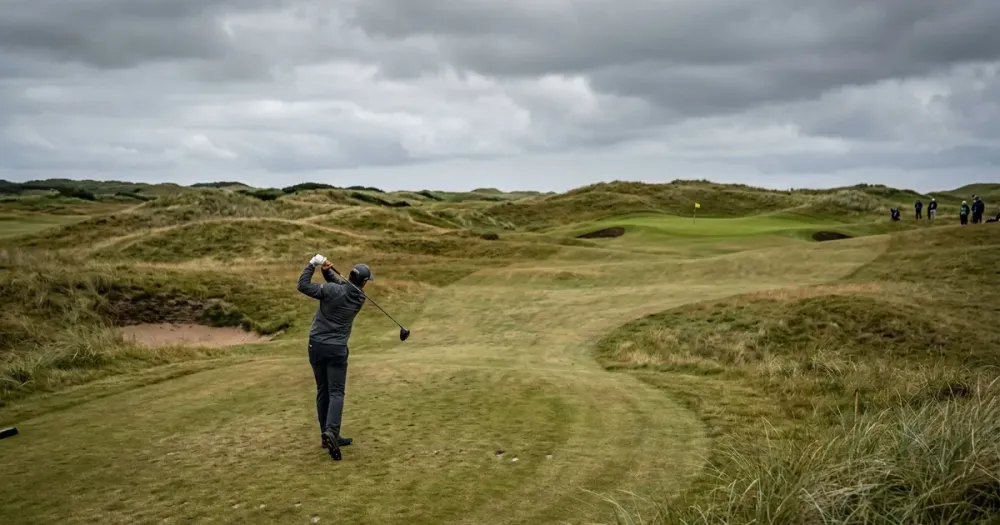
Picture a pro golfer standing on a windy tee box, the fairway narrow and lined with trouble. The temptation to muscle the ball down the middle is strong, but instead, the player pulls back, opting for a lower, controlled drive that slices through the gusts and finds the short grass. This isn’t a sign of weakness; it’s a survival move. In fact, these “pro golf survival shots” — precise, strategic, and often overlooked by amateurs chasing distance — are the real keys to thriving under tough tournament conditions.
Dialing Down Speed and Launch to Find Fairways
Tour pros know that sheer power off the tee doesn’t always win. Instead, they prioritize control, especially when wind and course setup demand it. Cameron McCormick, a top instructor for players like Jordan Spieth, explains that pros reduce swing speed slightly and adjust tee height to hit a lower-driving ball that resists wind interference.
“Pros are going to dial speed down a little bit, they’ll drop the tee height, which will help them create a lower launch trajectory, keeping the ball out of the wind,” McCormick says. This approach isn’t about swinging slower for the sake of it; it’s about finding the highest speed at which consistent, accurate contact is possible.
For amateurs, McCormick suggests experimenting with tee height—starting with the ball level with the driver face’s top edge—and gradually adjusting to find what yields the most reliable results. Practicing swings at 80–90% effort, then increasing speed until control falters, helps pinpoint that sweet spot.
Flighted Wedge Shots: The Secret to Distance Control Inside 100 Yards
When it comes to wedge shots inside 100 yards, amateurs often make the mistake of trying to get the ball airborne too quickly, resulting in shots that fall short. Pros take a different route, favoring a lower, flighted trajectory that gives them tighter control over carry distance.
McCormick points out, “In trying to hit it high, I introduce the chance of mis-executing my ball speed too short and therefore leaving it short.” A lower ball flight reduces that risk, allowing for more precise distance management on crucial scoring shots.
To execute these shots, McCormick recommends key setup adjustments shared by fellow top teacher Parker McLachlin, known as the Short Game Chef: lean your weight forward and position the ball slightly forward of center. This encourages a controlled, downward strike that produces the desired penetrating ball flight.
Protecting the Low-Side Miss: Smart Putting Strategy
Putting under pressure is all about managing risk, and pros instinctively protect the low-side miss on challenging putts. By aiming for the maximum break—where the ball curls toward the hole as it slows down—they ensure any miss rolls closer, setting up an easy tap-in.
“It almost ensures that the next one is a guaranteed tap in,” McCormick explains. This tactic not only increases the chance of making the initial putt but also demands less aggressive speed, reducing the risk of the ball running past the hole.
Why These Pro Golf Survival Shots Matter
These three shots—low, controlled drives; flighted wedges with precise distance control; and smart, risk-managed putting—form the bedrock of a pro’s strategy on tour. They help players manage risk, keep the ball in play, and score consistently, especially when conditions are tough.
For amateurs, adopting these strategies can bring big improvements. It means switching the focus from maximum effort to controlled execution, refining setup and swing to produce repeatable, reliable shots, and learning to think like a pro about shot selection and course management.
As All The Golf reported, these survival shots are not flashy but essential. Mastering them offers a pathway to better scoring and steadier rounds, even when the wind is howling and the fairways are tight.
How to Start Using These Survival Shots
- Practice dialing back your swing speed gradually until you find your control threshold.
- Experiment with tee heights to produce a lower ball flight that combats wind.
- Set up wedge shots with your weight forward and the ball just ahead of center to achieve a flighted trajectory.
- On the green, aim for the low-side miss on breaking putts to minimize risk and pressure.
These simple adjustments can transform your approach from chasing distance to managing the course, a strategy that separates pros from the pack.
What to Watch Next
Keep an eye on upcoming tournaments where windy conditions and tight course setups will test players’ ability to execute these survival shots under pressure. The next ranking updates will also reflect which players have mastered this control-over-power mindset, offering insights into who’s truly thriving in challenging environments.
For ambitious golfers, the next opportunity to adopt these techniques in your practice rounds could be the difference between scrambling and scoring.
In the ever-evolving world of professional golf, these survival shots aren’t just tactics—they’re the foundation of consistent success. For a broader view, explore our coverage of golf tips and game improvement guides.
Source: as reported by All The Golf
All facts and quotes are credited to their originating outlets. Learn more about our sourcing policy.